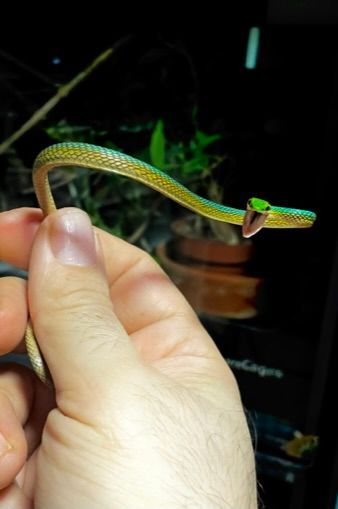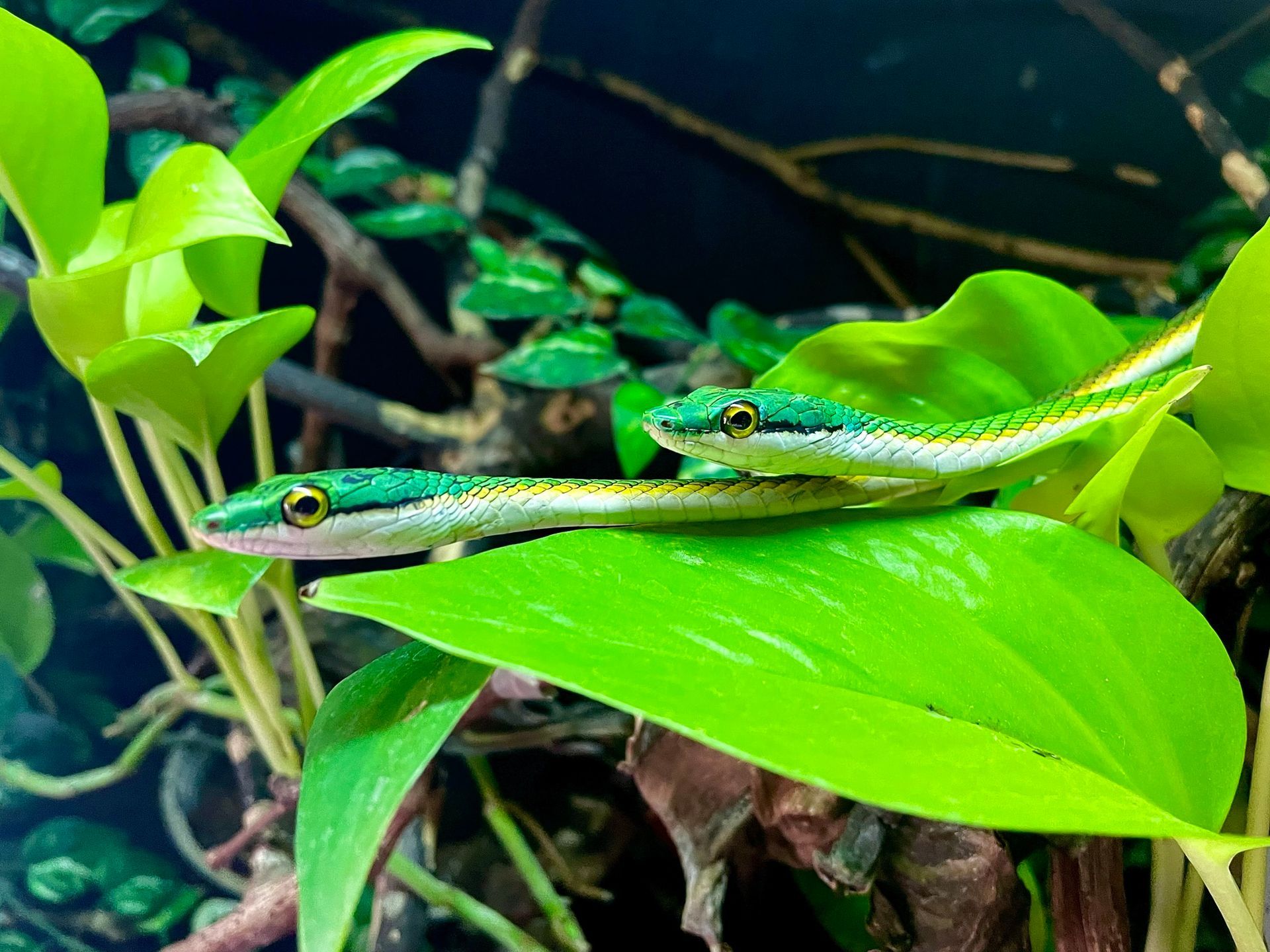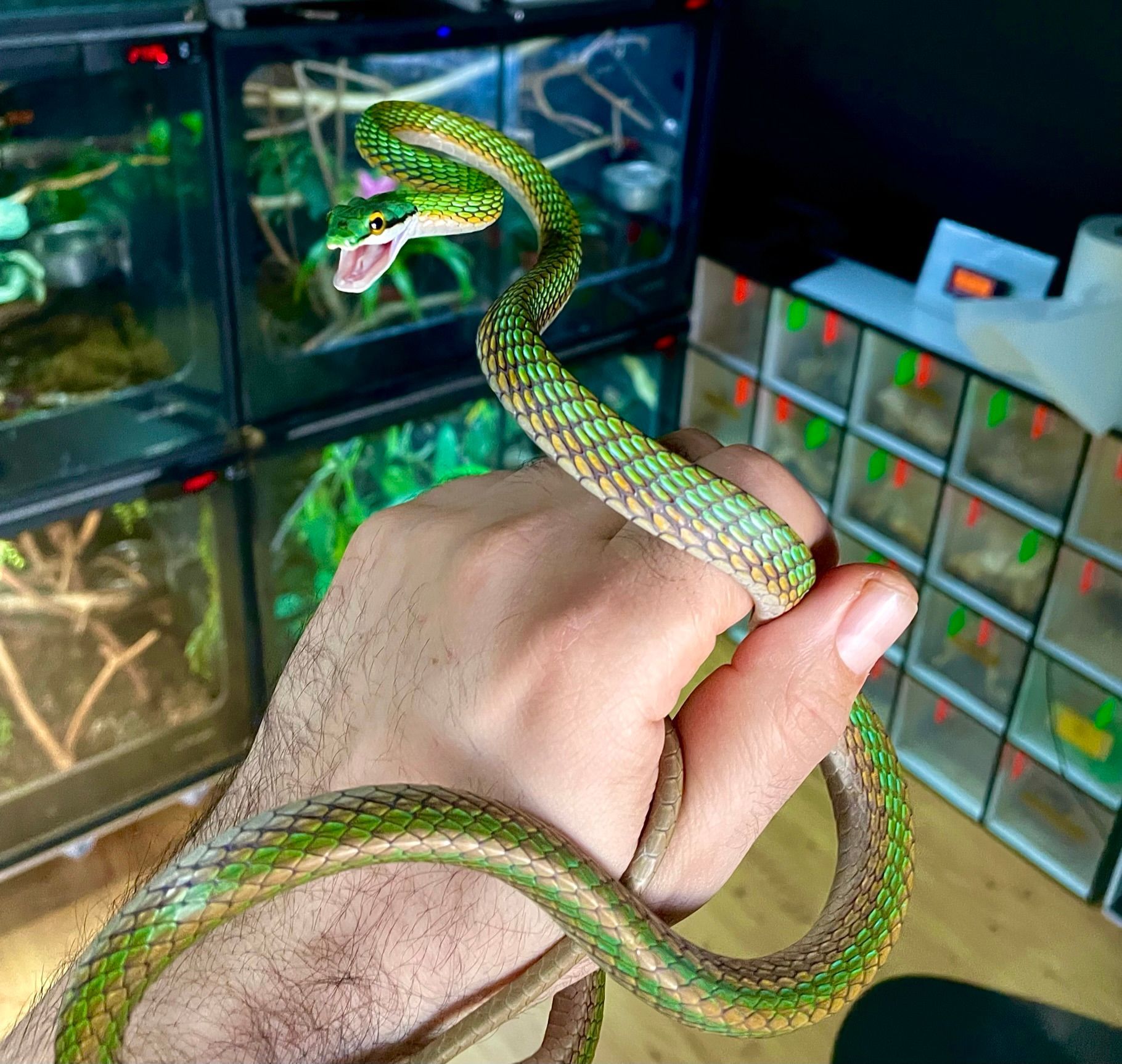
Leptophis ahaetulla – Breeding Report 2022–2023
Care Information
| Parameters | Value |
|---|---|
| In my care since | 30.05.2021 |
| Terrarium | 90x60x60 cm ProCage |
| Lighting | T5 UVA/UVB |
| Heating | Heat panel |
| Misting | M.R.S misting system |
| Controls | Biotherm 2 |
| Climate Management | Seasonal simulation (Costa Rica) |
Introduction
I have been keeping Leptophis ahaetulla since 30 May 2021.
The pair is housed in a 90 cm ProCage terrarium with a Heatpanel as a heat source, UVA/UVB lighting (SolarRaptor), and an M.R.S misting system. The system is controlled by a Biotherm-2 thermostat.
The climate is managed to simulate the seasons in Costa Rica.
⸻
2022 Breeding Season
Pairings
- Pairing: late December 2021
- Mating: 07.01.2022
- Mating: 12.01.2022
During this time, the male was very active and nervous, with a prolonged feeding pause of up to 89 days.
⸻
Pregnancy and behavior
The female showed an increased appetite during the early stages of pregnancy. Her last meal was approximately 28 days before laying.
The shed (PLS) took place on 06.03.2022.
Six days after the PLS, on 12 March 2022, the eggs were laid.
On the evening of 11.03, the female was still active in the terrarium; by the morning of 12.03, she was already in the laying hide.
The estimated gestation period was approximately two months after the last mating.
⸻
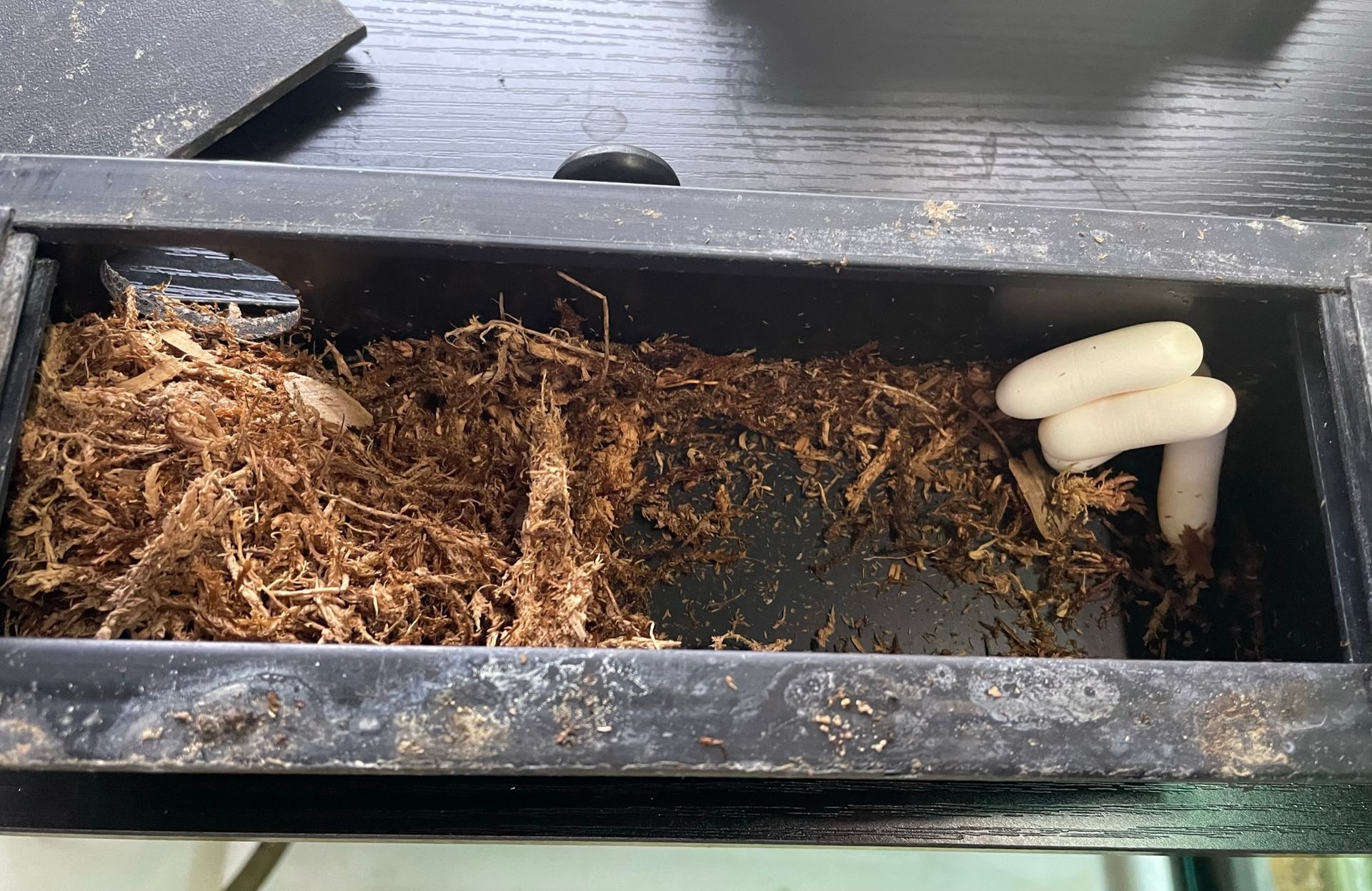
Egg laying 2022
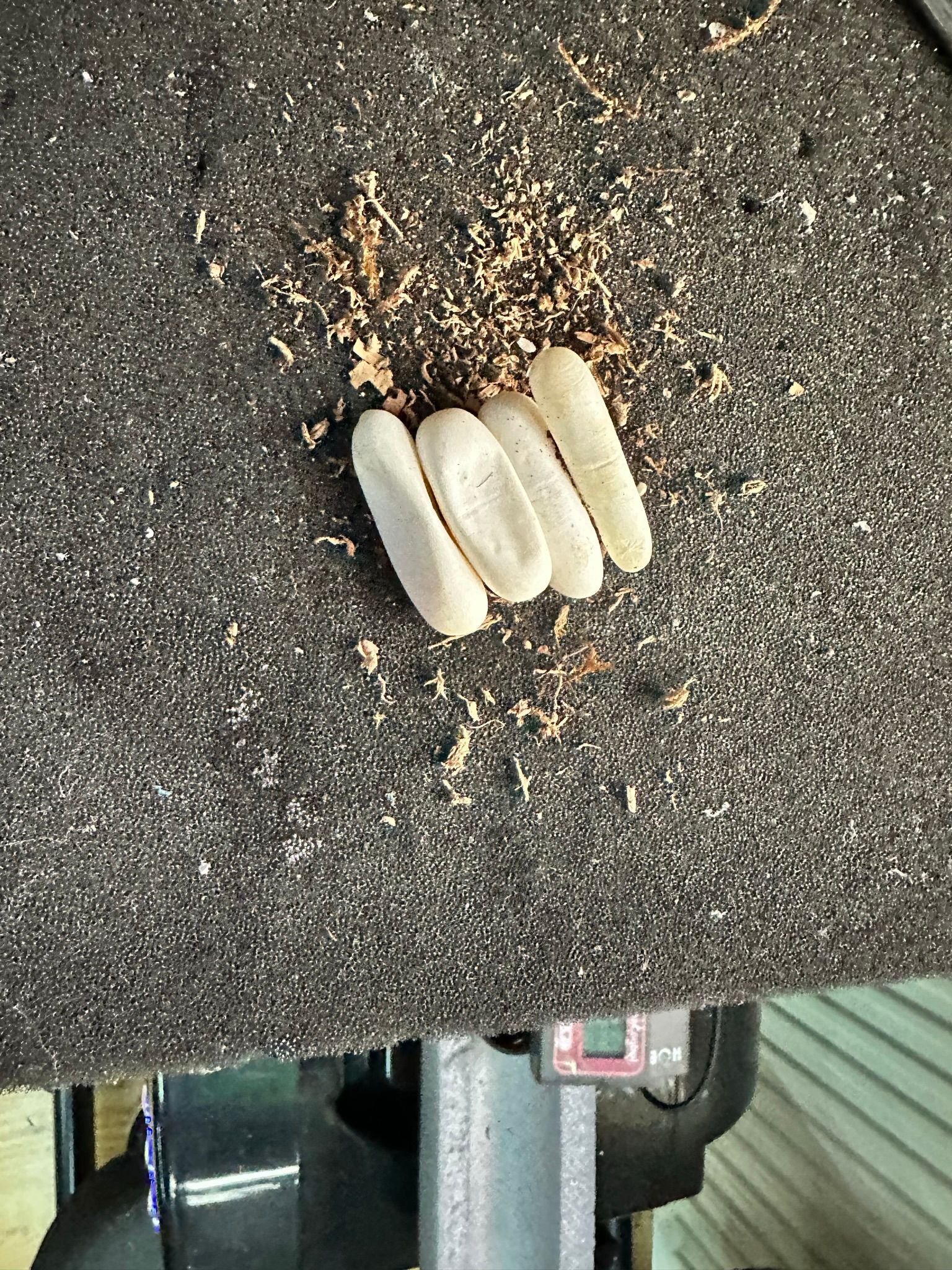
Egg-laying probably began around midday on 12 March 2022 and lasted only a short time.
The female used a narrow, custom-built hide mounted high in the terrarium, which was kept in place at a constant temperature (approx. 28 °C).
2022 clutch
- Number of eggs: 4
- Clutch weight: 14.3 g
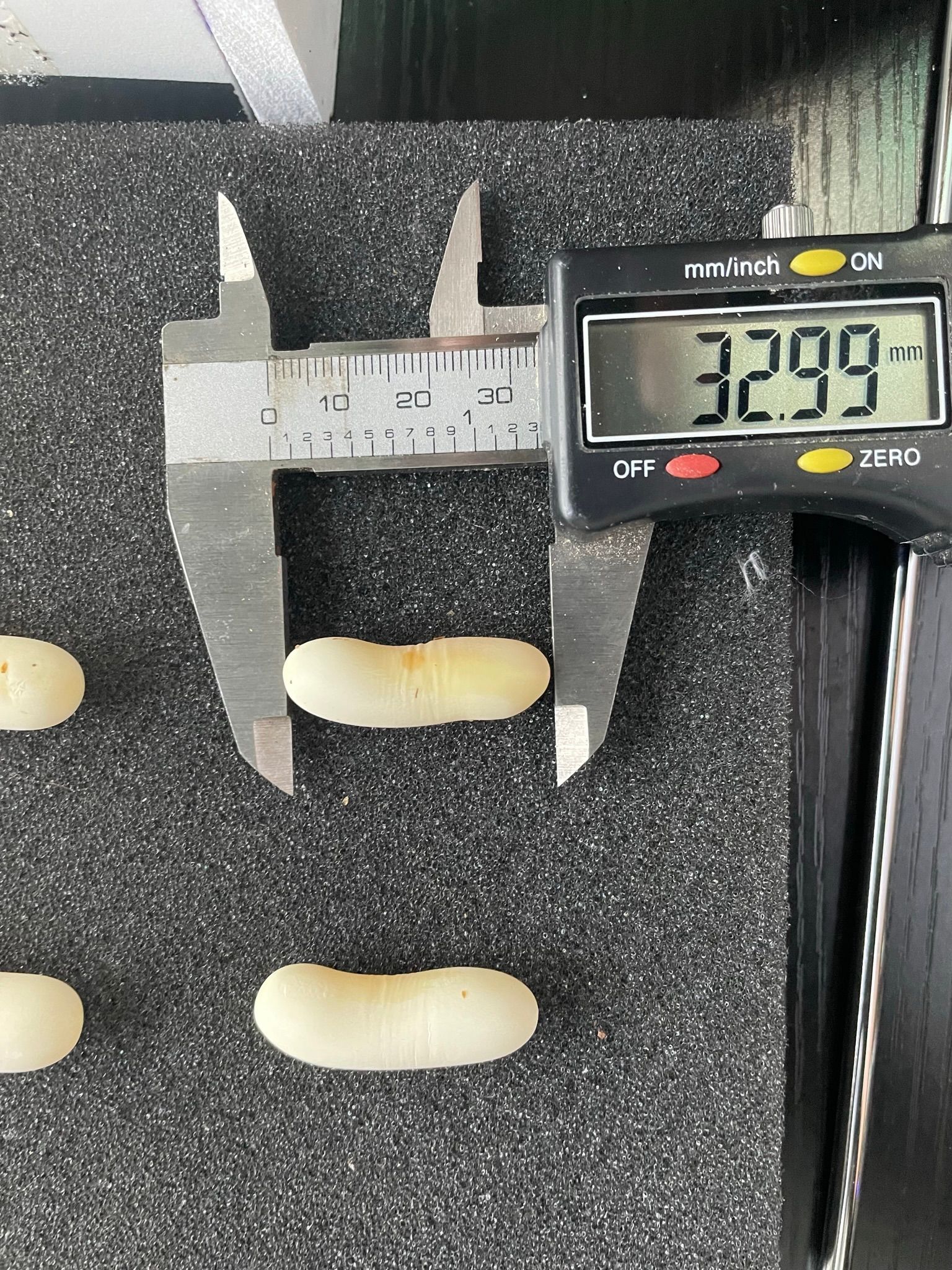
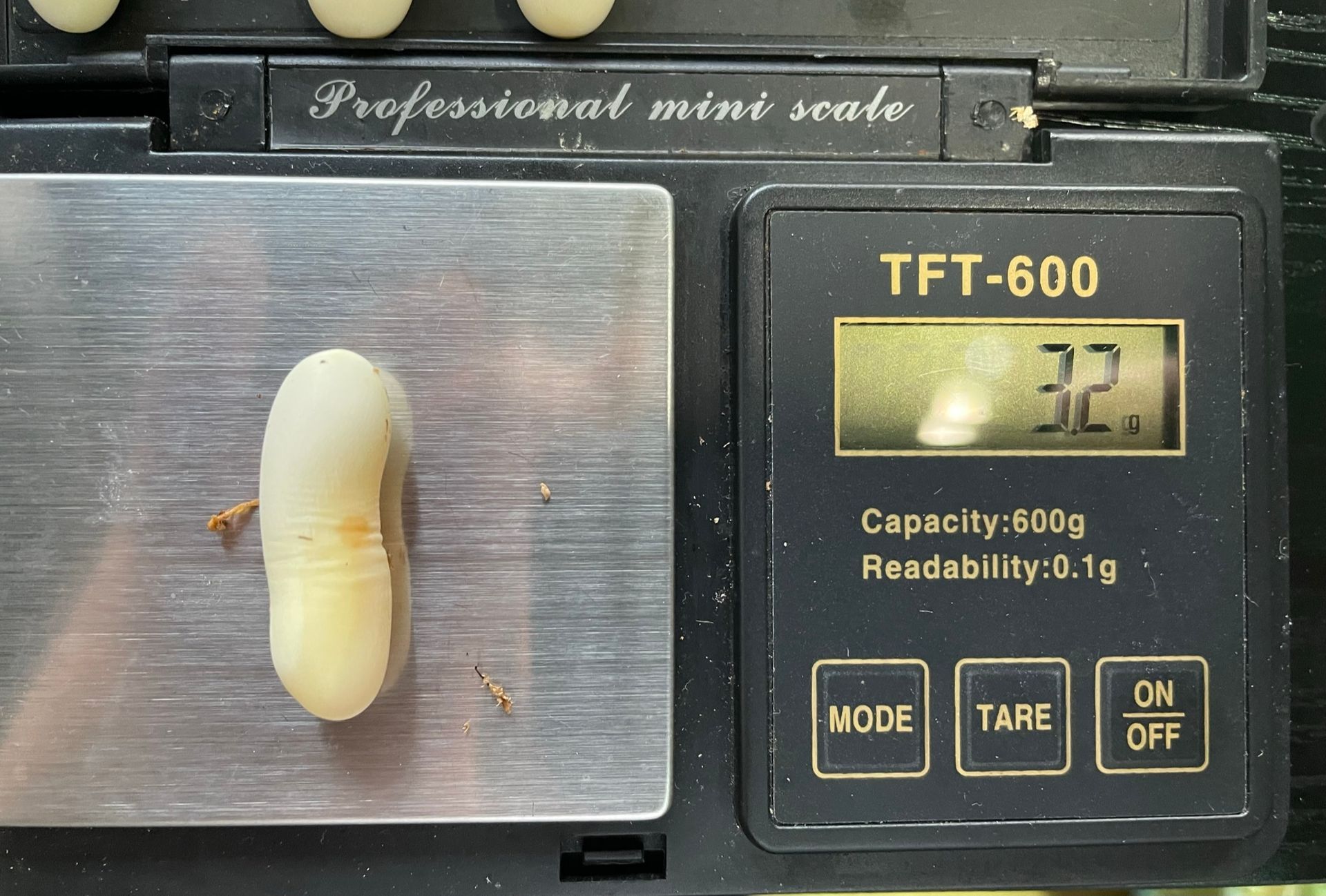
- Individual weight: approx. 3.2–3.8 g
- Egg length: approx. 33 mm
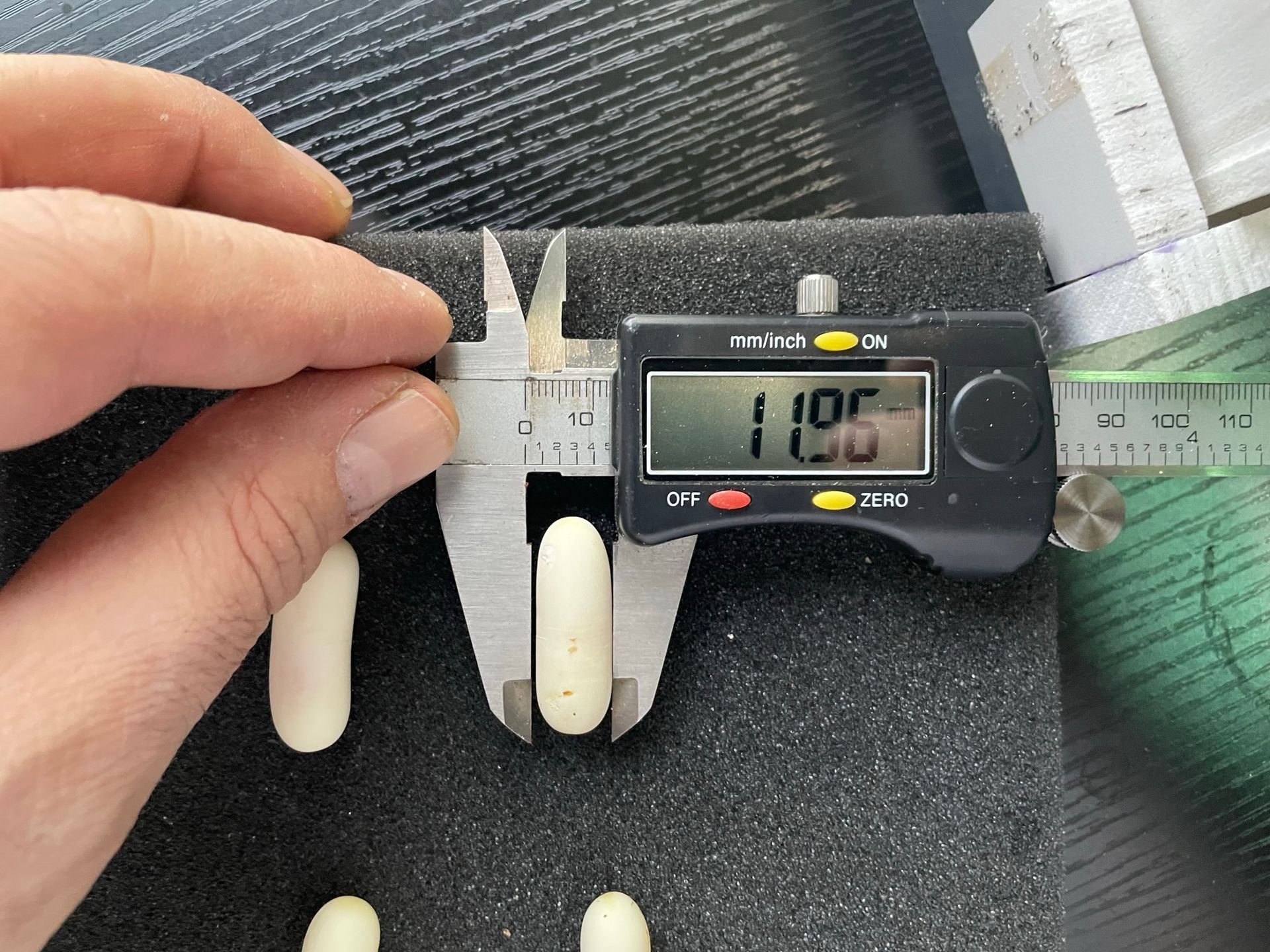
- Diameter: approx. 12 mm
- Fertilisation: 100%
All eggs were fertile.
⸻
Incubation 2022
Incubation took place in a forced-air incubator on perlite at 29.5–30 °C.
- Incubation period: 66–67 days
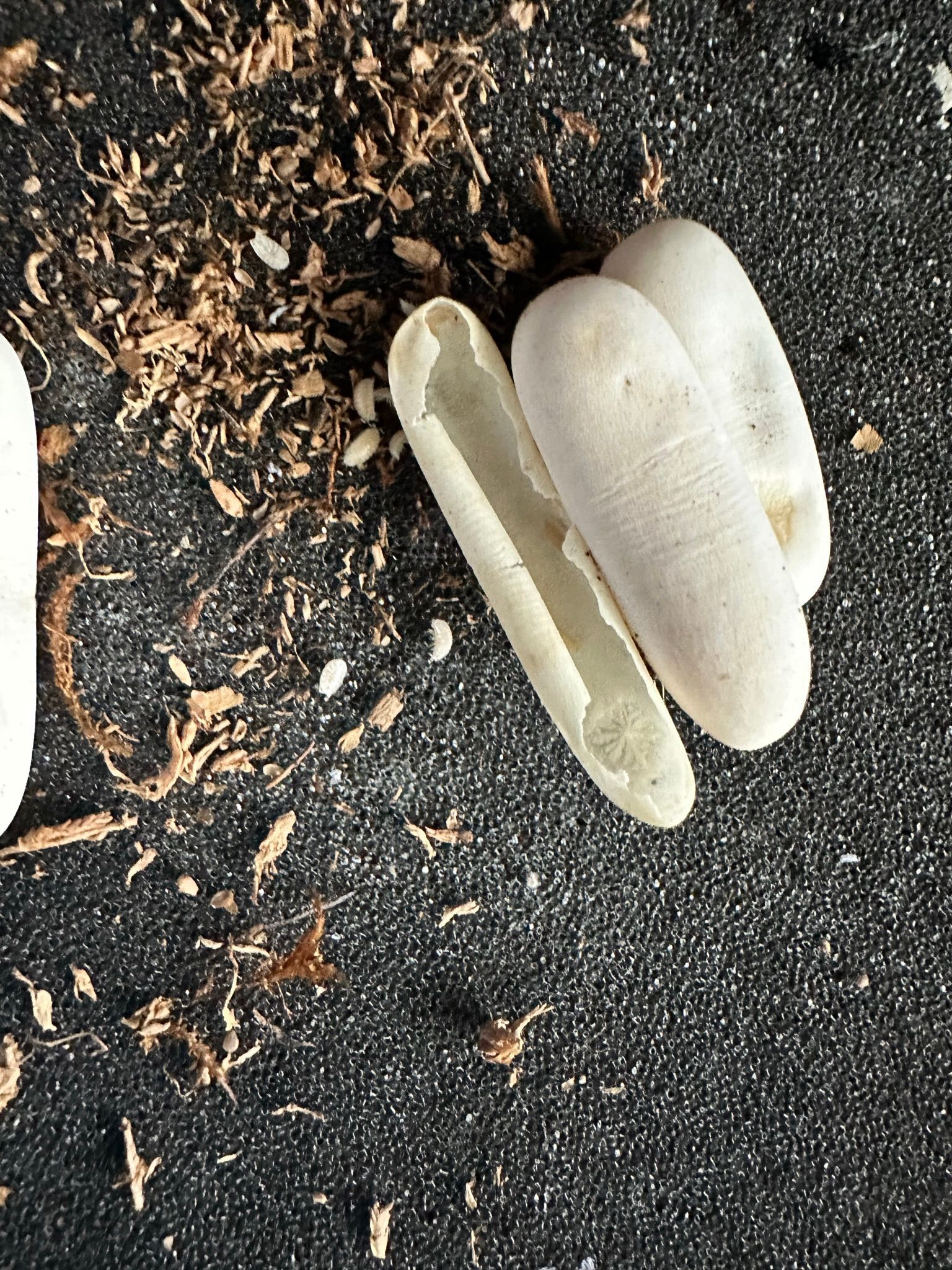
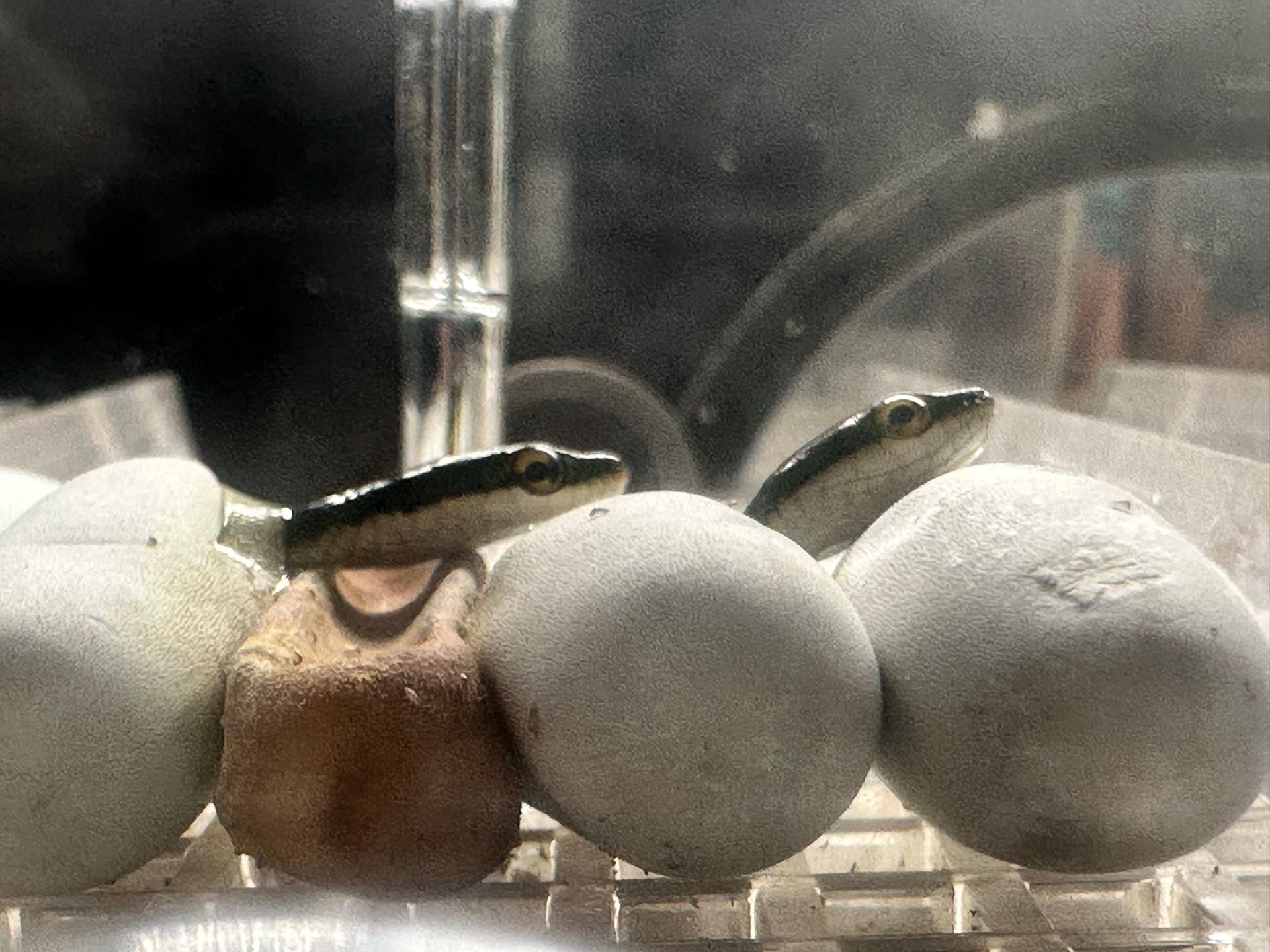
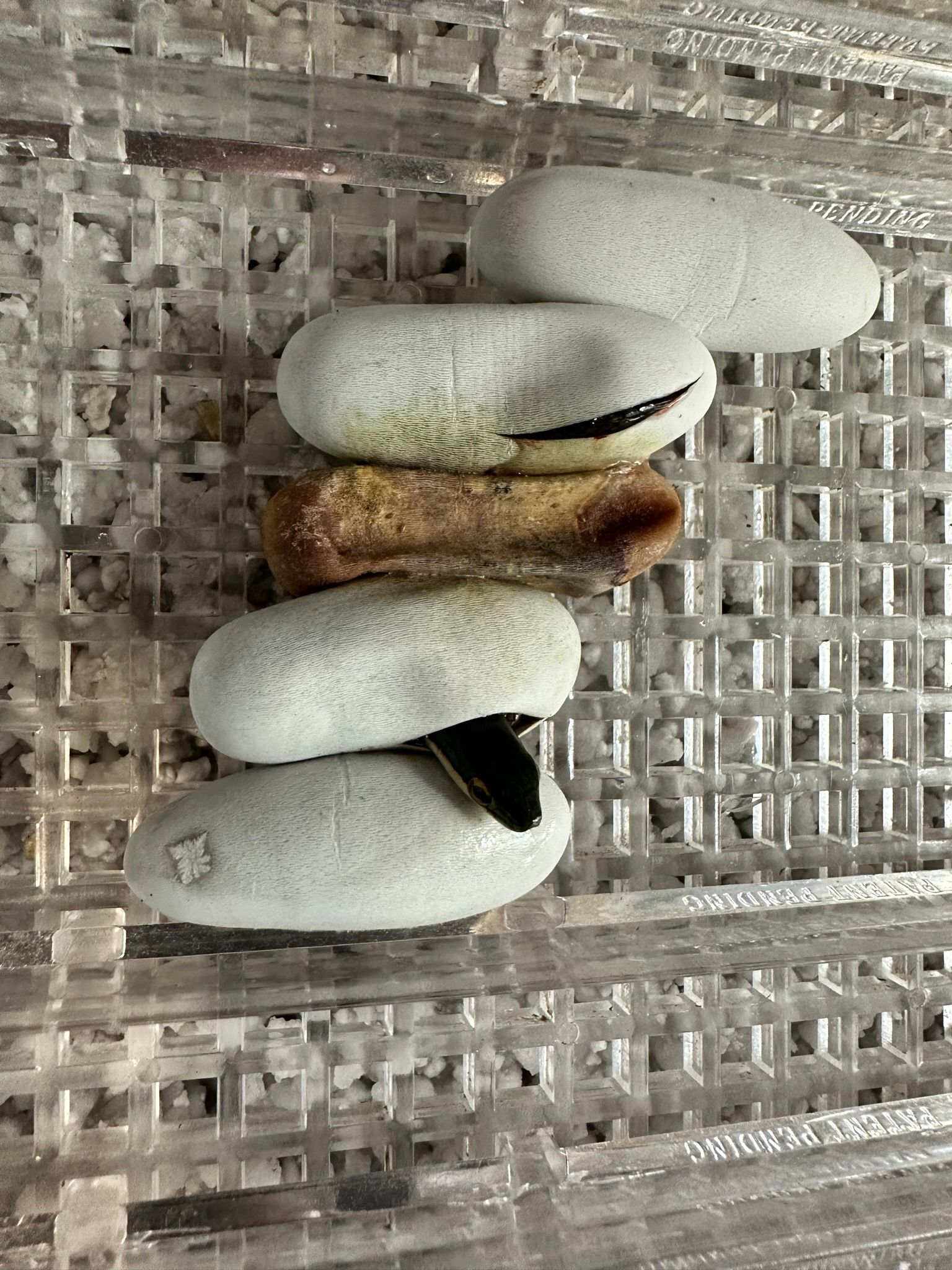
Hatching
- Day 66: first hatchling cuts through the egg (17.05.2022)
- Day 67: first hatchling leaves the egg (18 May 2022)
- Weight: 2.9 g
- Length: 31 cm
The other two hatchlings emerged at staggered times on day 67 (at midday and in the evening). All four hatchlings hatched successfully.
⸻
Rearing 2022
The hatchlings were housed in 40 cm cube terrariums with dense planting, a water bowl and a paper substrate.
- Humidity: >90 %
- Temperature: 21–29 °C
The first shed occurred after 11–12 days.
One animal first fed after shedding, while the other two did not eat until almost a month later. This delayed feeding behavior was also observed in later clutches.
The first food consisted of young Lepidodactylus.
⸻
Other Observations 2022
- On 20.03.2022, an egg was separated after it turned yellowish and began to mold.
- The egg was removed without affecting the remaining eggs.
⸻
2023 Breeding Season
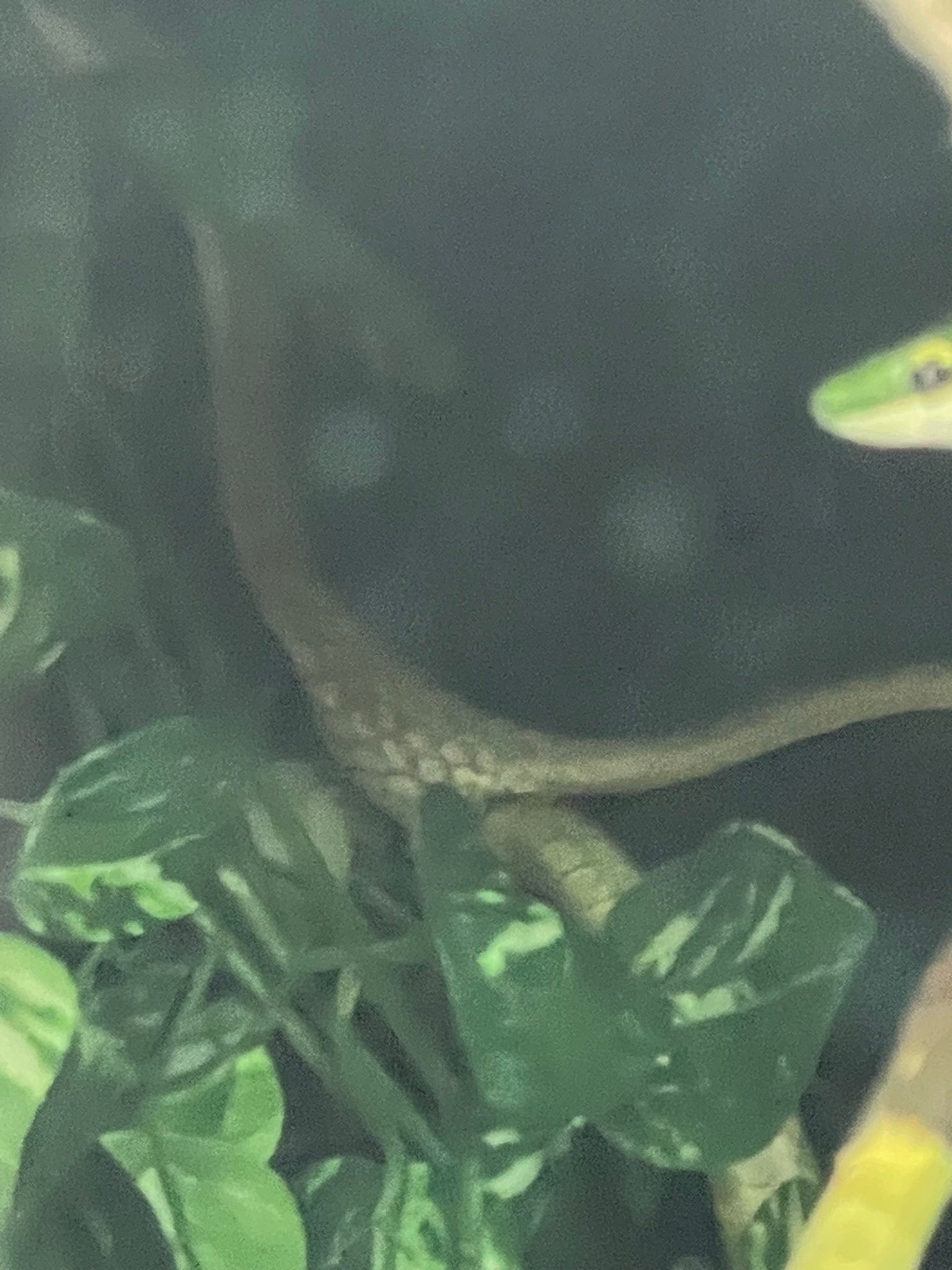
Mating
- only documented pairing: 05.03.2023
⸻
Gravidity
A noticeable change in girth was visible about a month after mating.
The pre-laying shed took place on 26.04.2023.
The female displayed pronounced searching behavior and again favored unusual laying sites in the upper-left area of the enclosure.
On 2 May 2023, the animal became increasingly restless, particularly from the early afternoon onward.
The eggs were clearly visible and positioned deep within the body.
⸻
Egg laying 2023
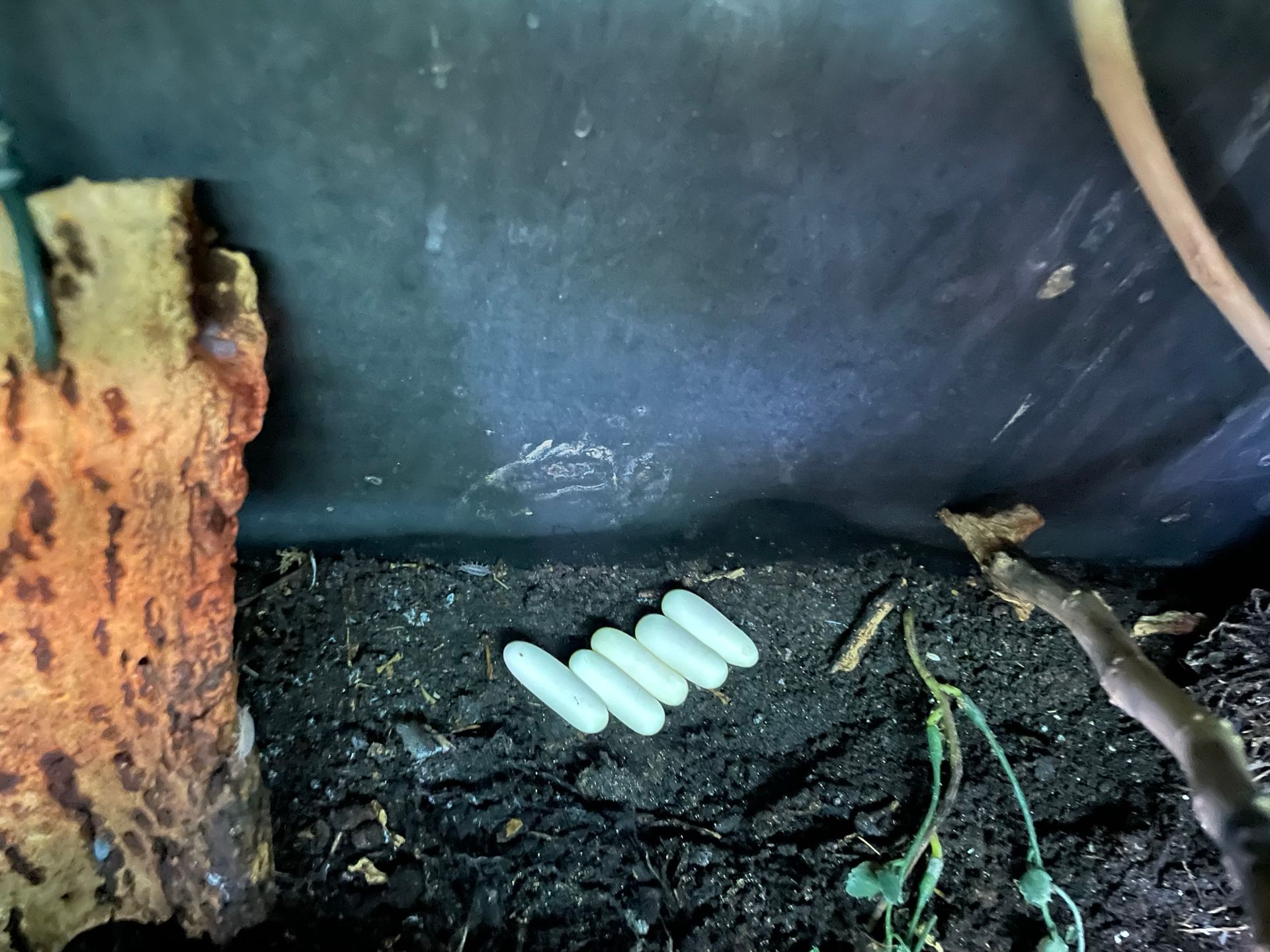
On 02.05.2023, the female began laying eggs at around 16:30.
It used a spot on the ground beneath a piece of cork bark, lying curled up lengthwise. During oviposition, the animal breathed visibly heavily but barely moved.
- Start: approx. 16:30
- End: approx. 7:00 p.m.
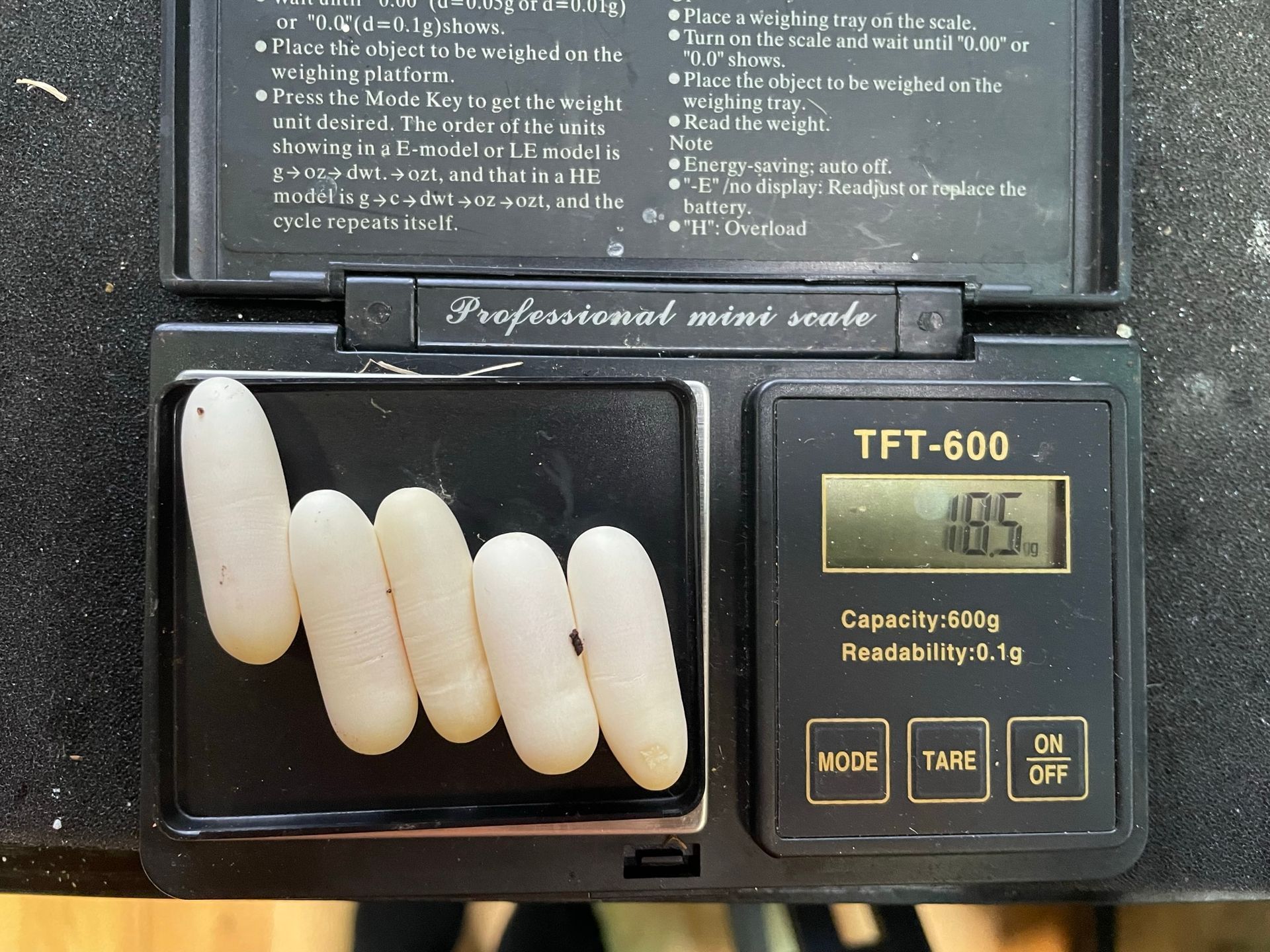
- Number of eggs: 5
- Clutch weight: 18.5 g
⸻
Incubation 2023
Incubation took place in a fan-assisted incubator at 29.5 °C on perlite in a box with a mesh system.
During incubation, cockroaches were observed reaching the eggs. One egg may have been damaged.
Development
- After approx. 30 days: one egg began to degenerate
- The damaged egg remained in the clutch without visibly affecting the other eggs
- About 1 week before hatching: two eggs became slightly dented
⸻
Hatching 2023
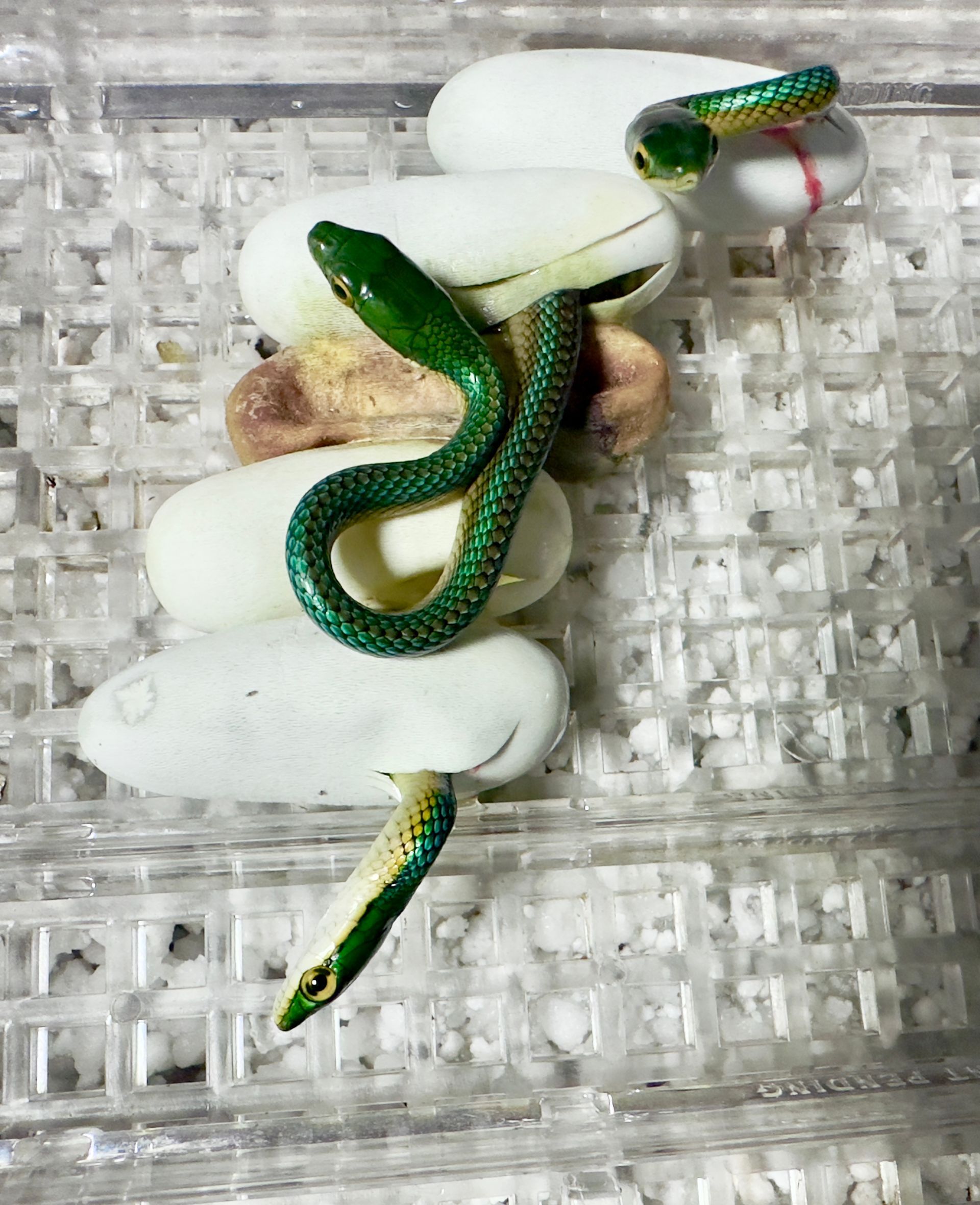
- Day 65: first two hatchlings emerge (07.07.2023)
- Day 66: two more hatchlings emerge overnight
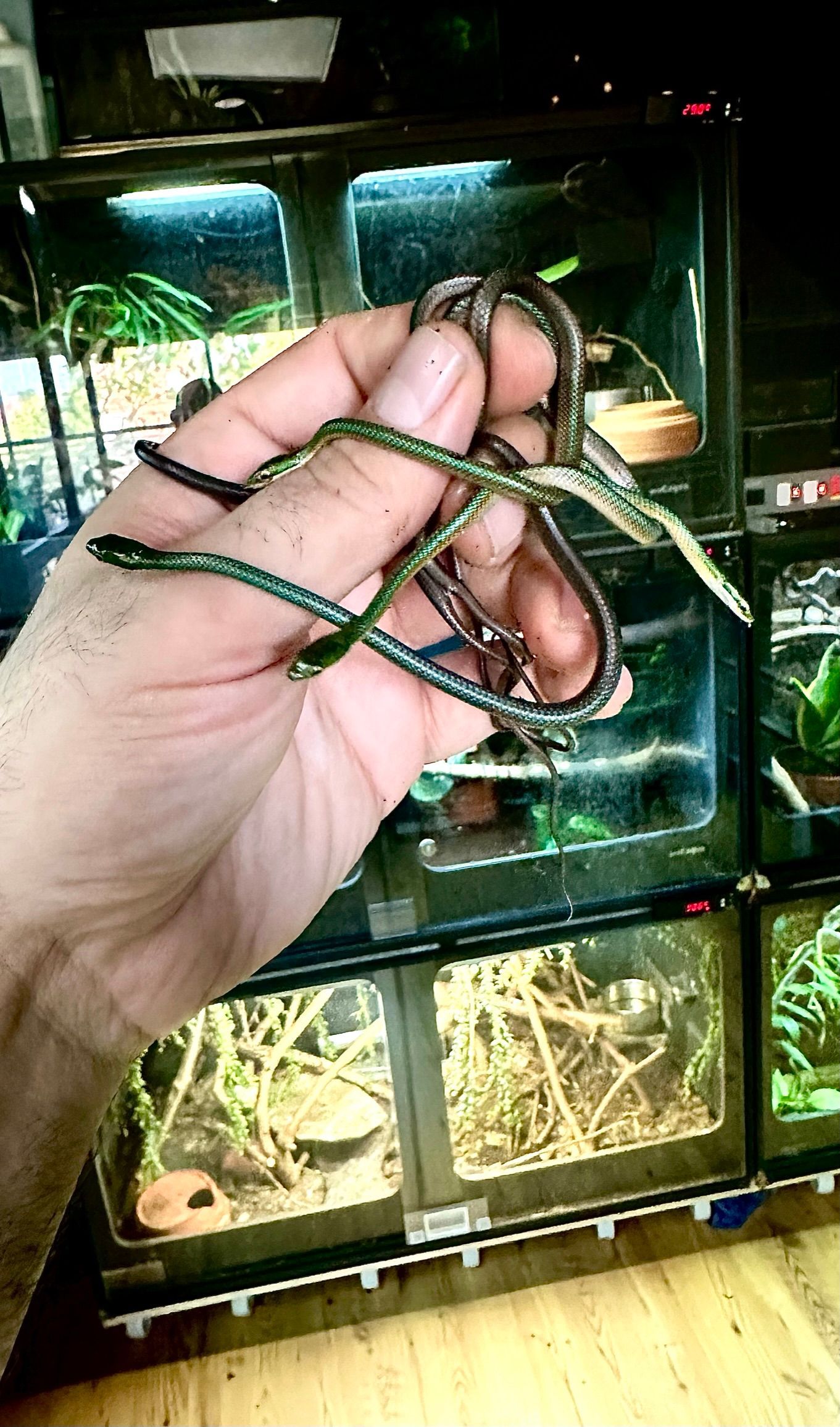
- Total: 4 hatchlings
Hatchling Data
- Weight: 3–4 g
- Housing: Exo Terra 30 cm cube
The first shed occurred after 11–12 days.
First feeding took place just under a month after hatching, with live Lepidodactylus hatchlings.
⸻
Second Clutch of 2023
At the time of the first season, it was not known that multiple clutches per year were possible.
On 23 July 2023, the female once again showed increased ground activity.
- Shedding: 16.07.2023
- Feeding: 16.07 and 23.07
An egg-laying of around 4 eggs likely took place shortly afterwards. The exact date is unknown.
The clutch was only discovered by chance on 13 August 2023, after the holiday.
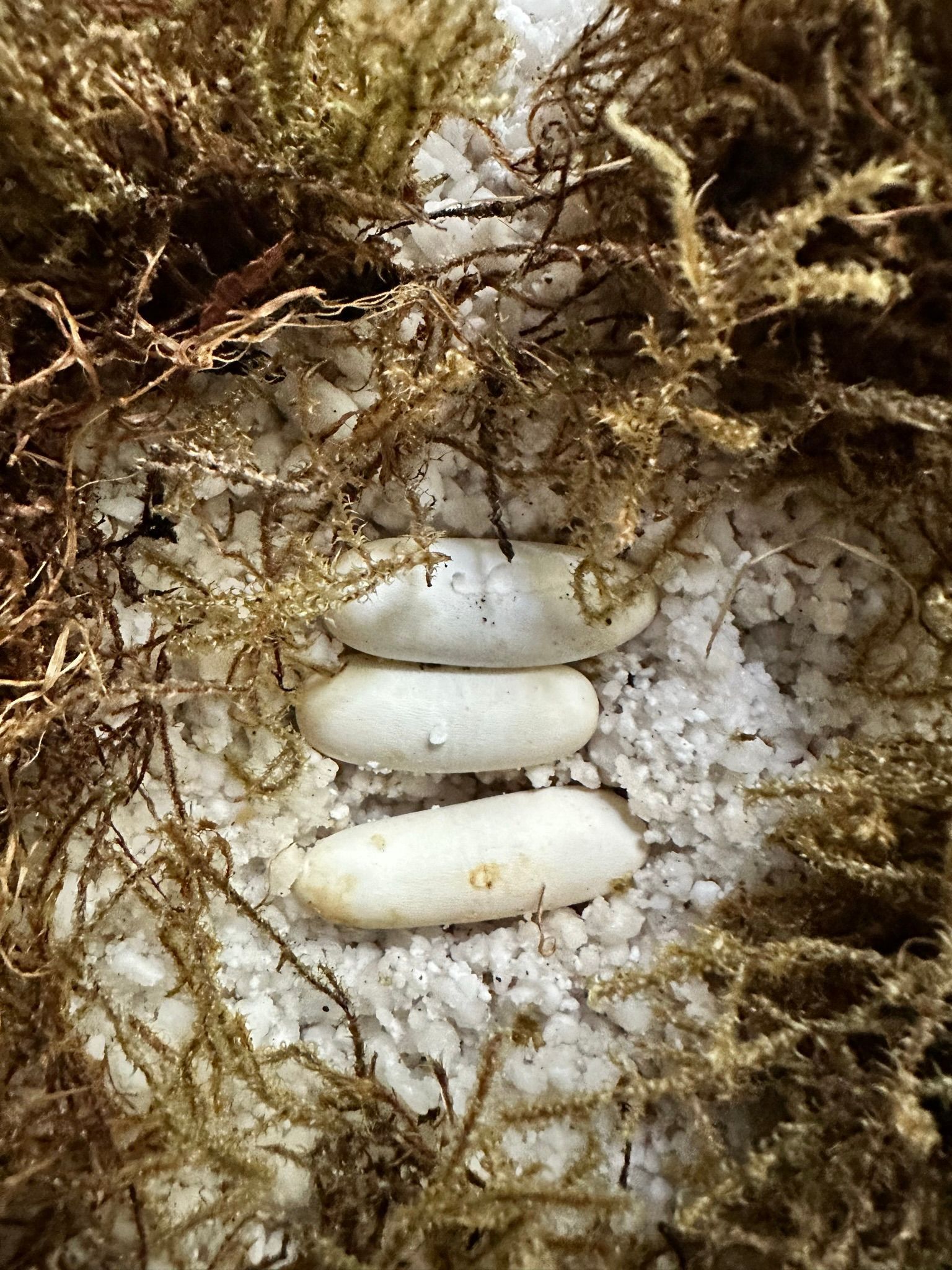
The eggs were beneath an upside-down flowerpot on the ground. One egg had already been eaten by isopods; three remained, but were severely desiccated.
The eggs were transferred to the incubator on 13 August 2023, half-buried in perlite and covered with moss. Within 2–3 days, the eggs visibly recovered.
⸻
Further observations
On 23 July 2023, the female showed two distinct bends in the spinal area. At first, an injury or a syndrome such as “corkscrew back” in pythons was suspected.
After the clutch was found, a cause related to egg-laying or mineral balance seemed possible.
On 23 August 2023, the folds were still slightly visible but had diminished. The animal eats, hunts, and defecates normally.
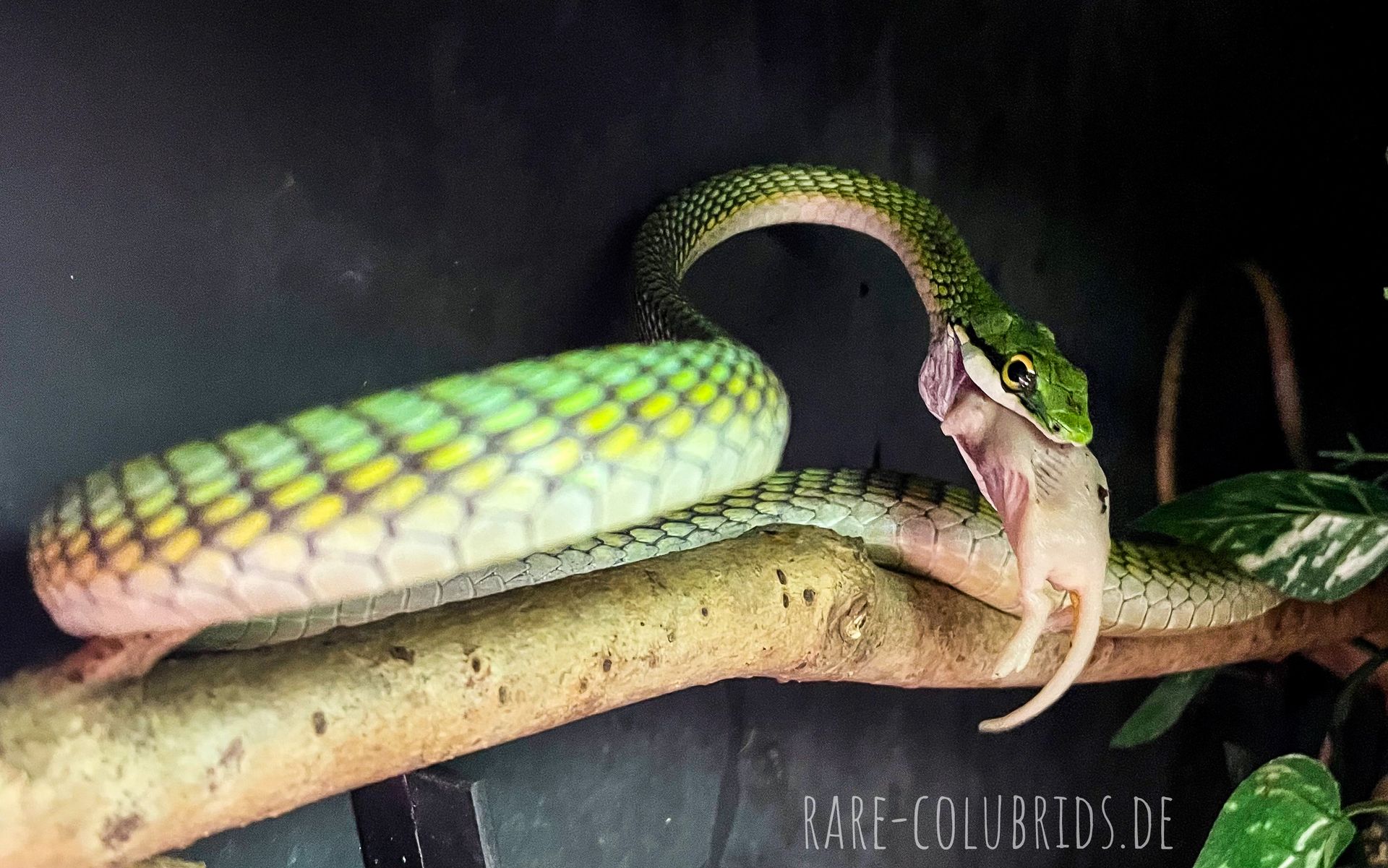
The parents accept rodents, but the juveniles do not
Mating
Egg-Laying Sites
Clutch data
Hatching Photos
More pictures of Leptophis ahaetulla