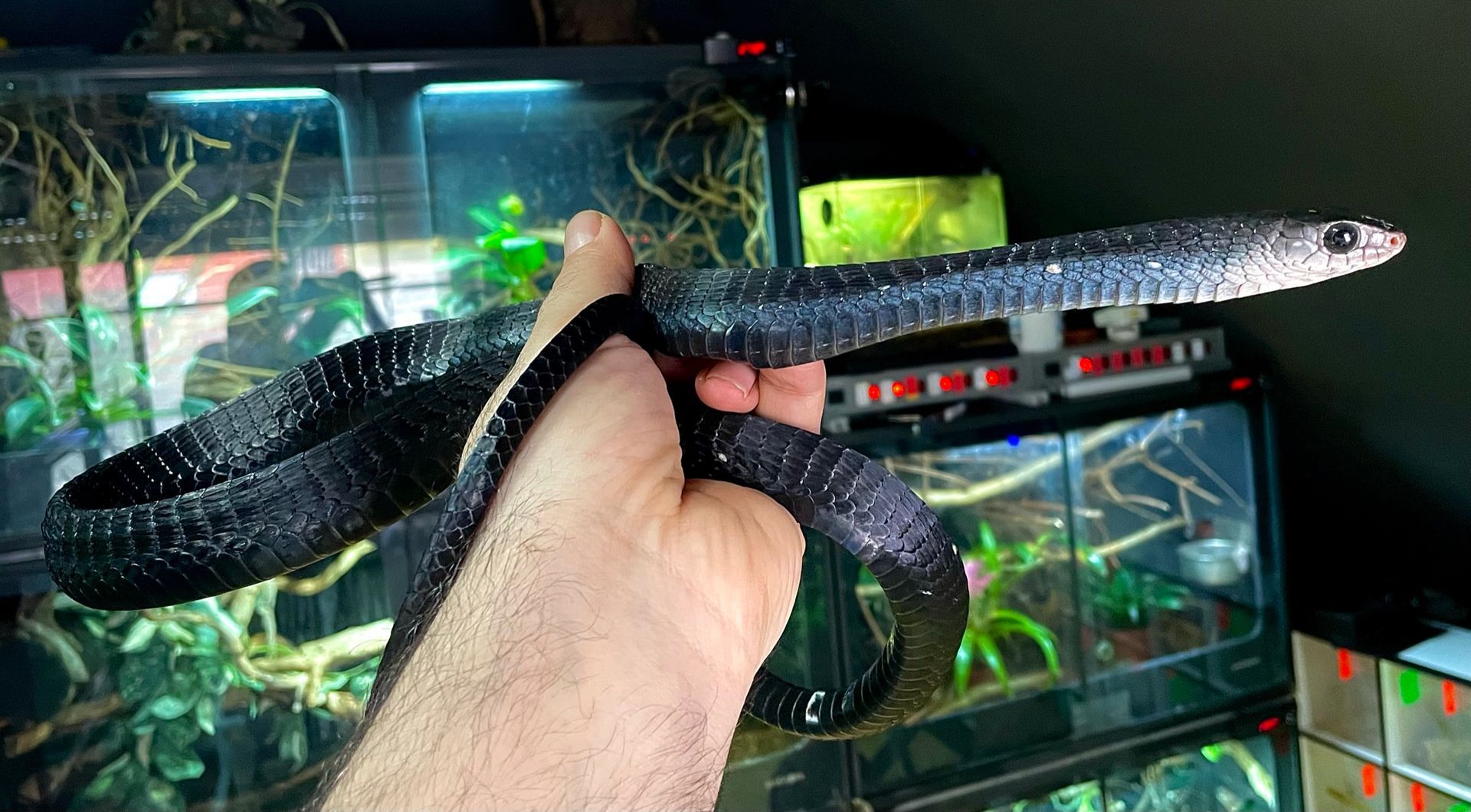
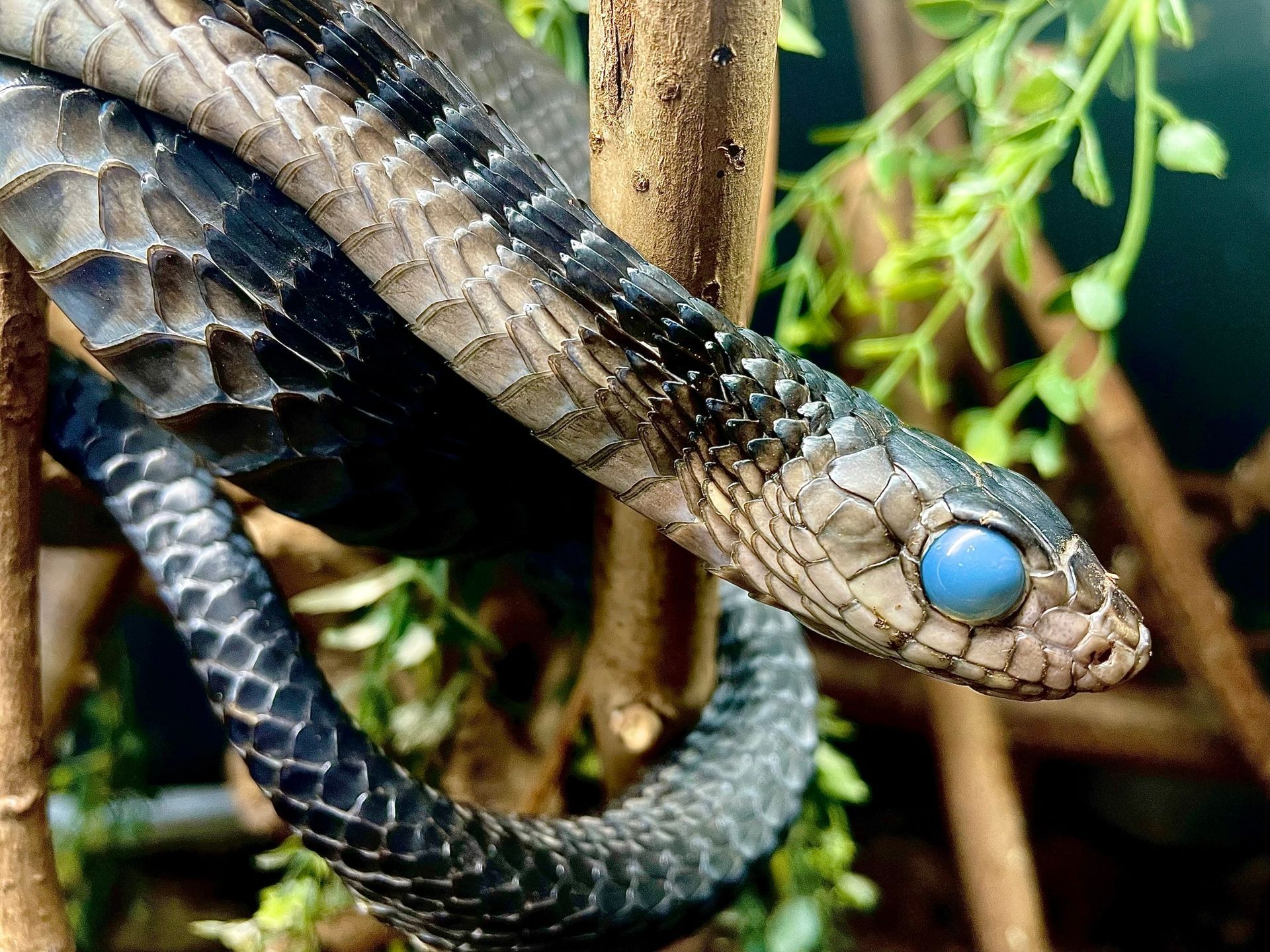
Thrasops occidentalis – Husbandry Experience Report
🇩🇪 🇬🇧
⸻
Origin & Initial Collection
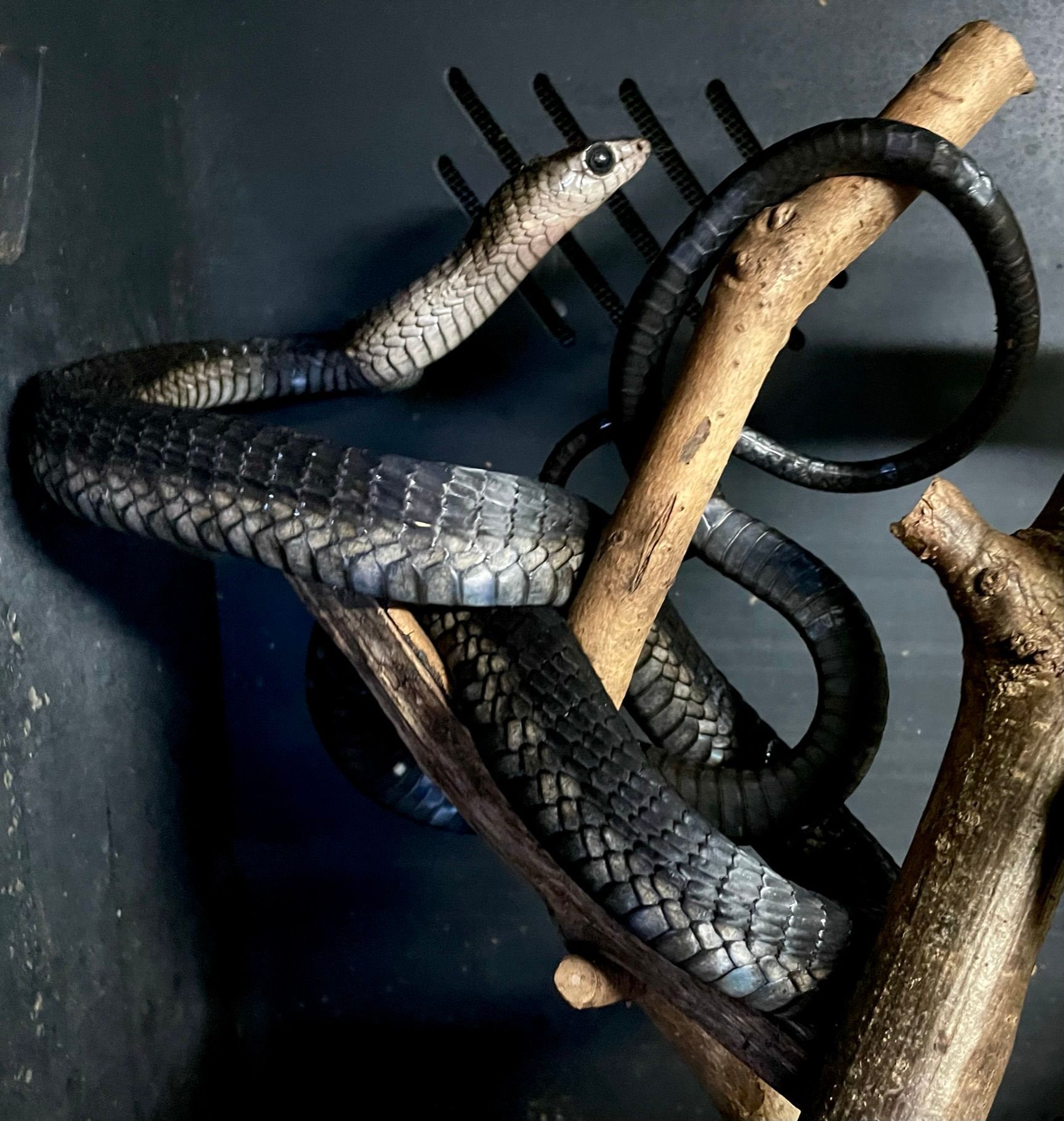
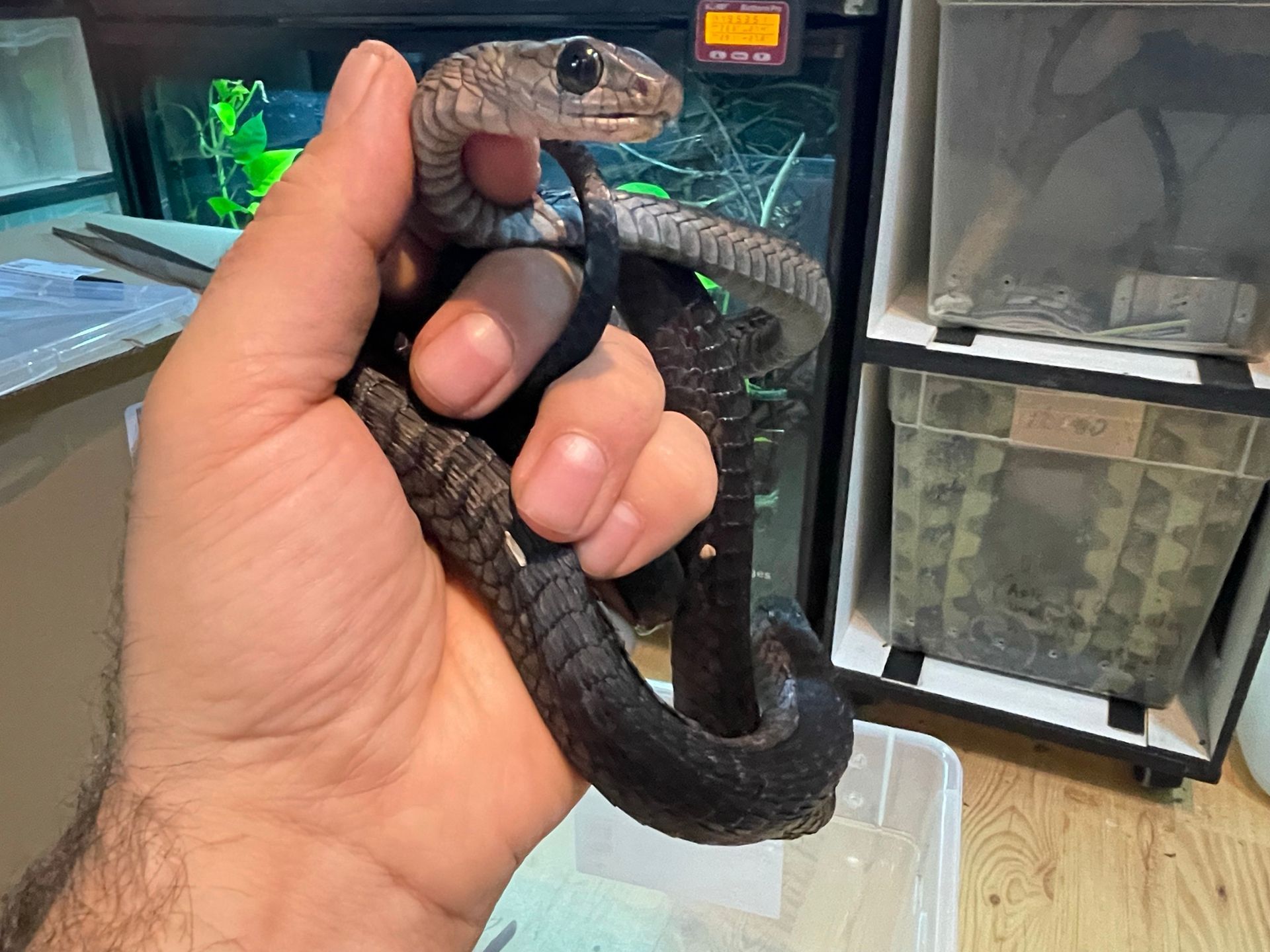
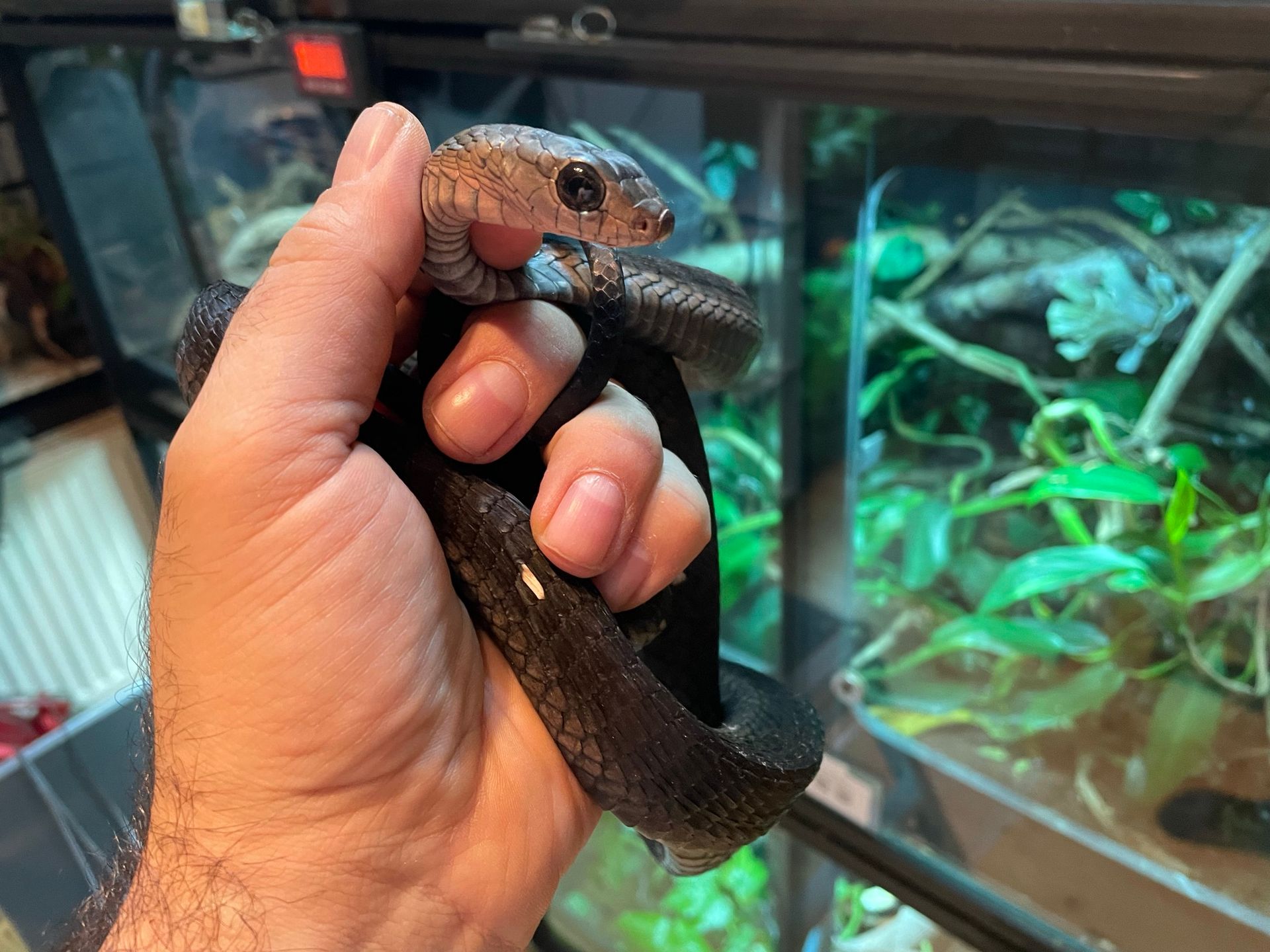
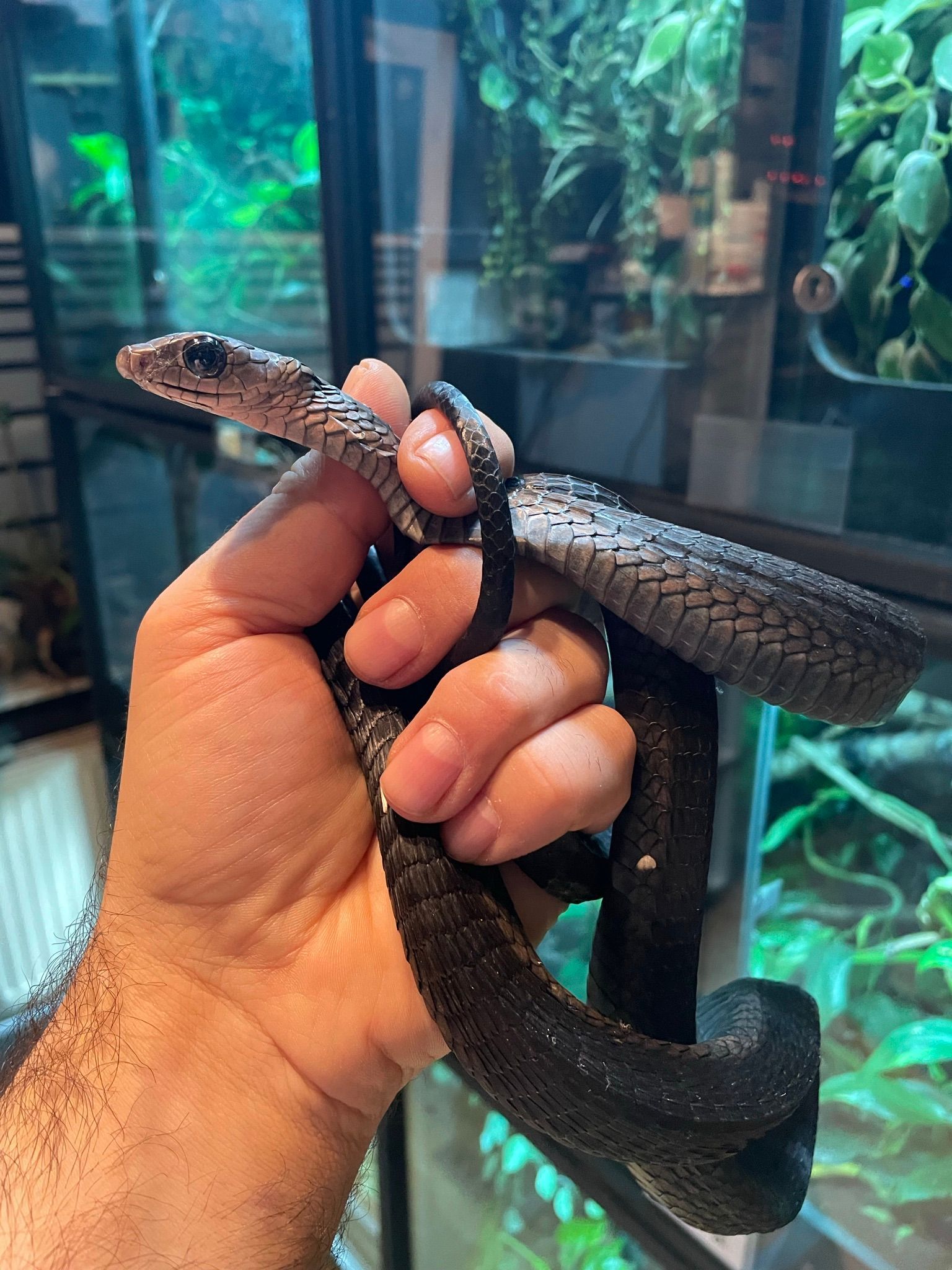
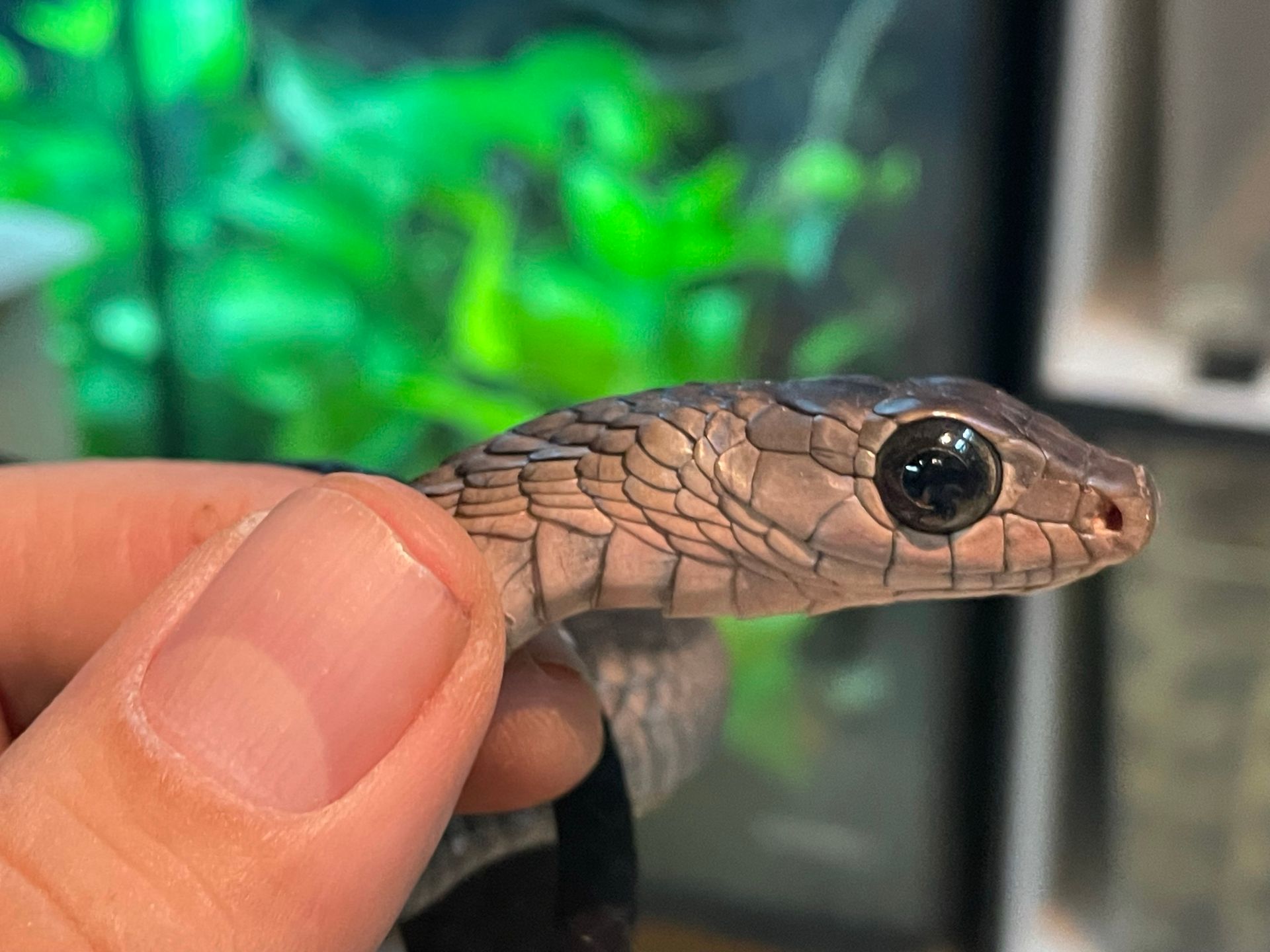
I acquired my first Thrasops occidentalis on
27 October 2021. They were very recently imported wild-caught specimens from Ghana.
The male presented problems from the very beginning. On the first day after arrival, it passed a large mass of pus containing numerous parasitic worms. Unfortunately, the animal died only a few days later.
I obtained a replacement male on
14 January 2022. Unlike the first specimen, this animal had already spent several months in private captivity in Germany.
Acclimation & Husbandry
Initially, I housed both animals separately for approximately one year in order to stabilize them and closely monitor their feeding behaviour.
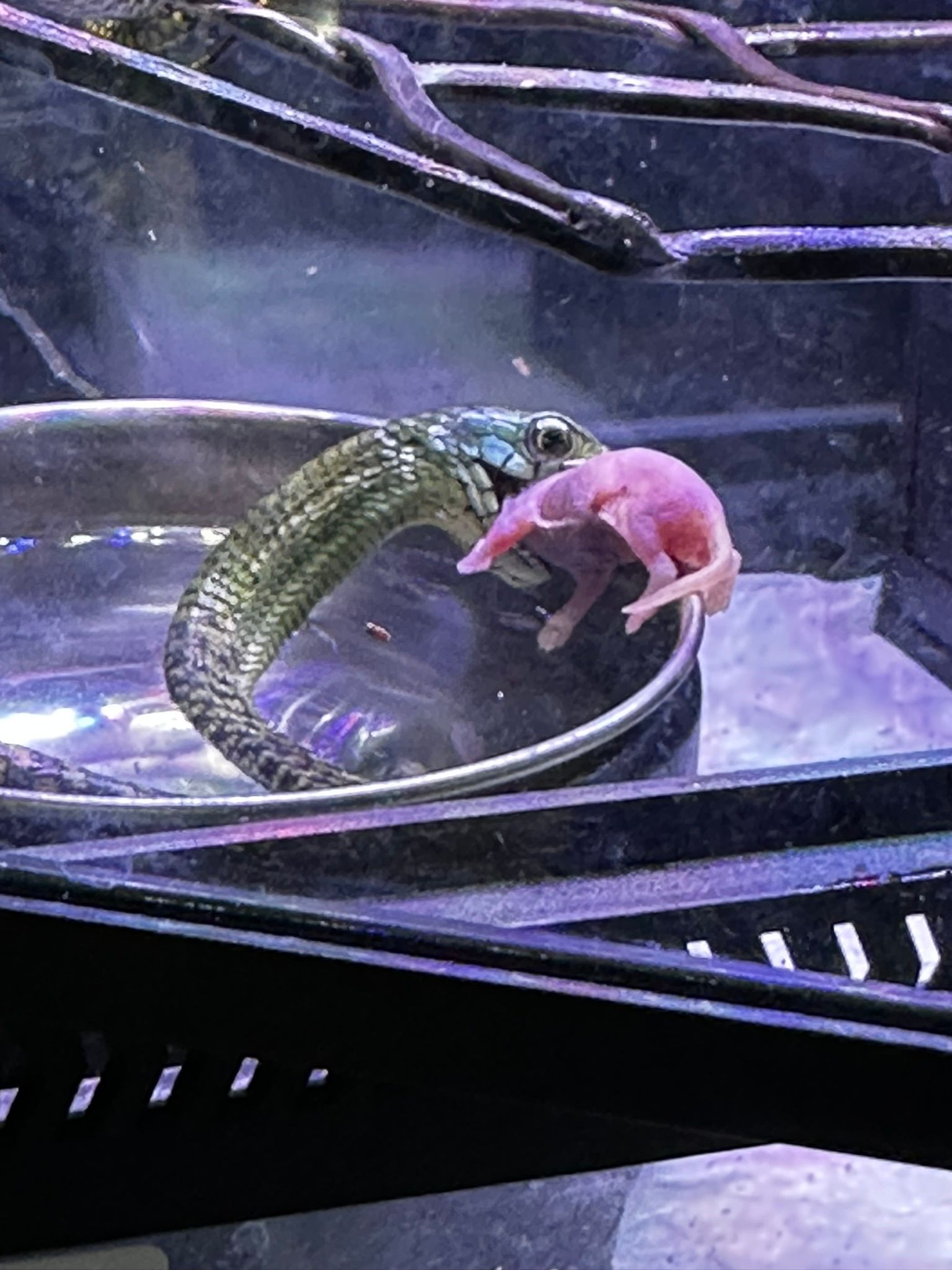
Overall, neither snake caused any major husbandry problems. However, both initially refused rodents, whether offered directly or with feeding forceps. Even when rodents were accepted, they were not always retained and were occasionally regurgitated.
Finding the appropriate prey size and feeding frequency, particularly for the male, required some experimentation.
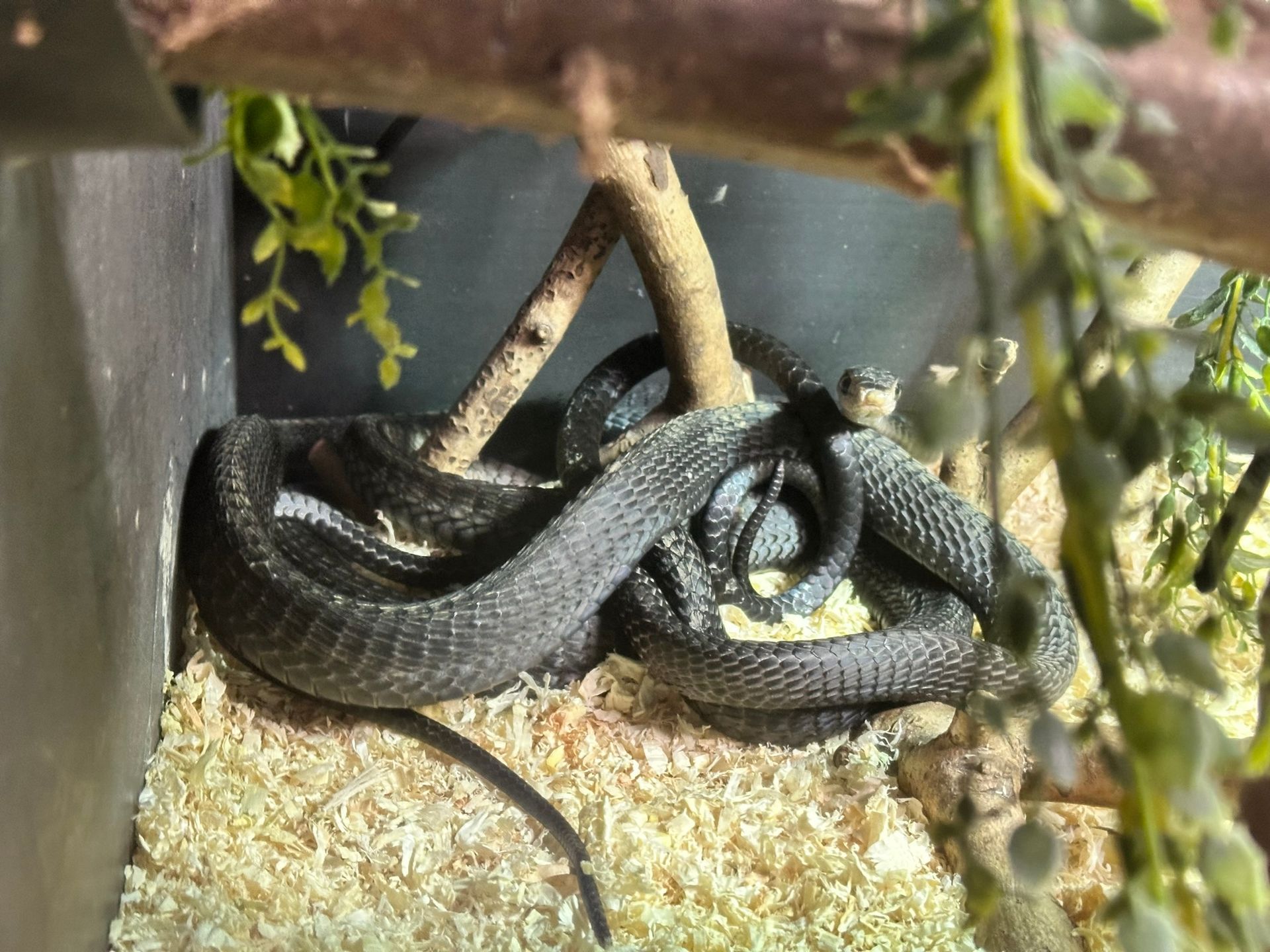
After approximately one year, I introduced both animals into the same enclosure.
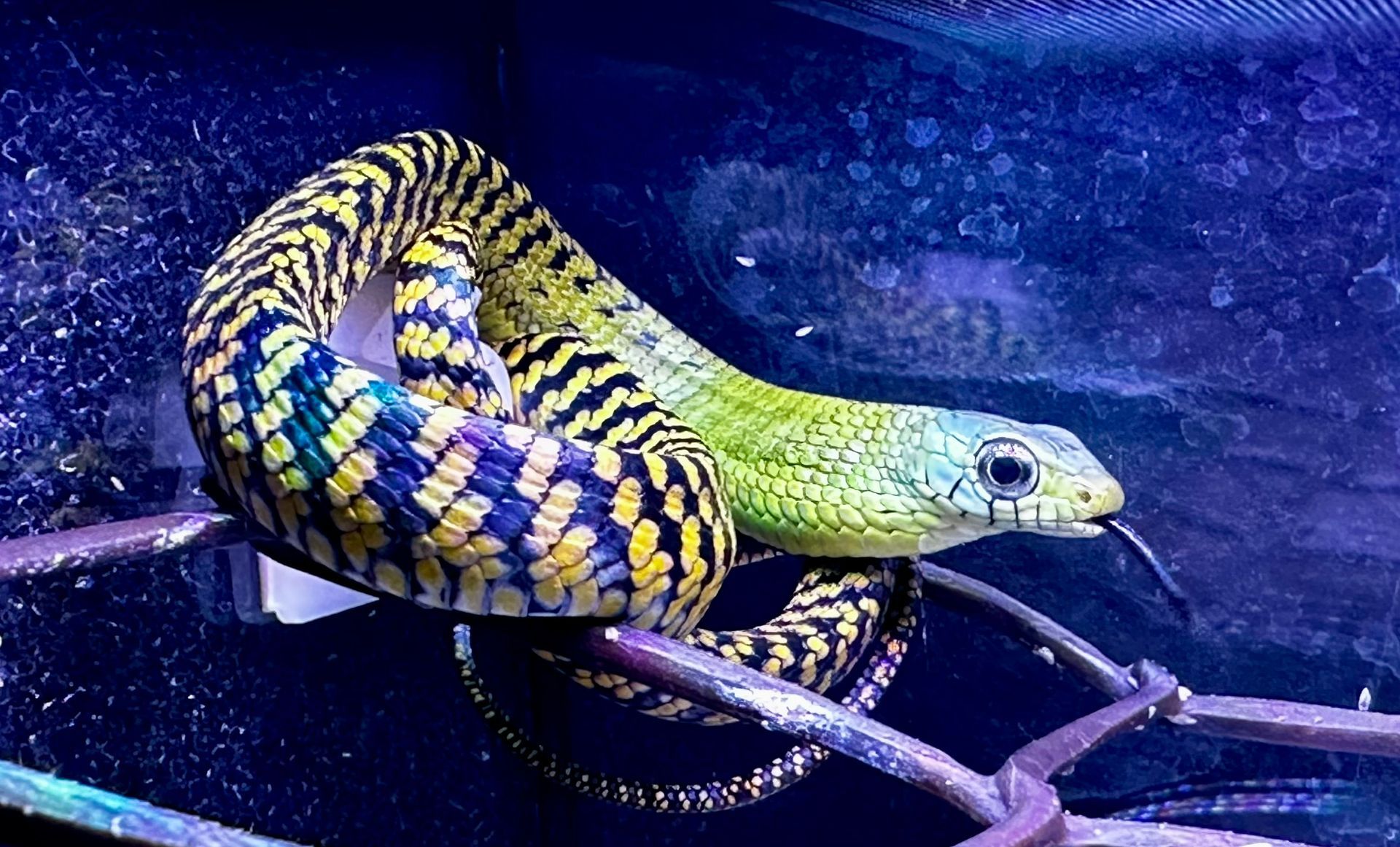
The male was slightly smaller than the female. He spent most of his time on the ground and only occasionally visited the female's preferred basking site, never remaining there for long. This behaviour made feeding each animal considerably easier.
Until
21 April 2024, neither snake accepted rodents from feeding forceps. Nevertheless, both fed reliably when appropriately sized prey items were simply placed inside the enclosure.
Husbandry Parameters
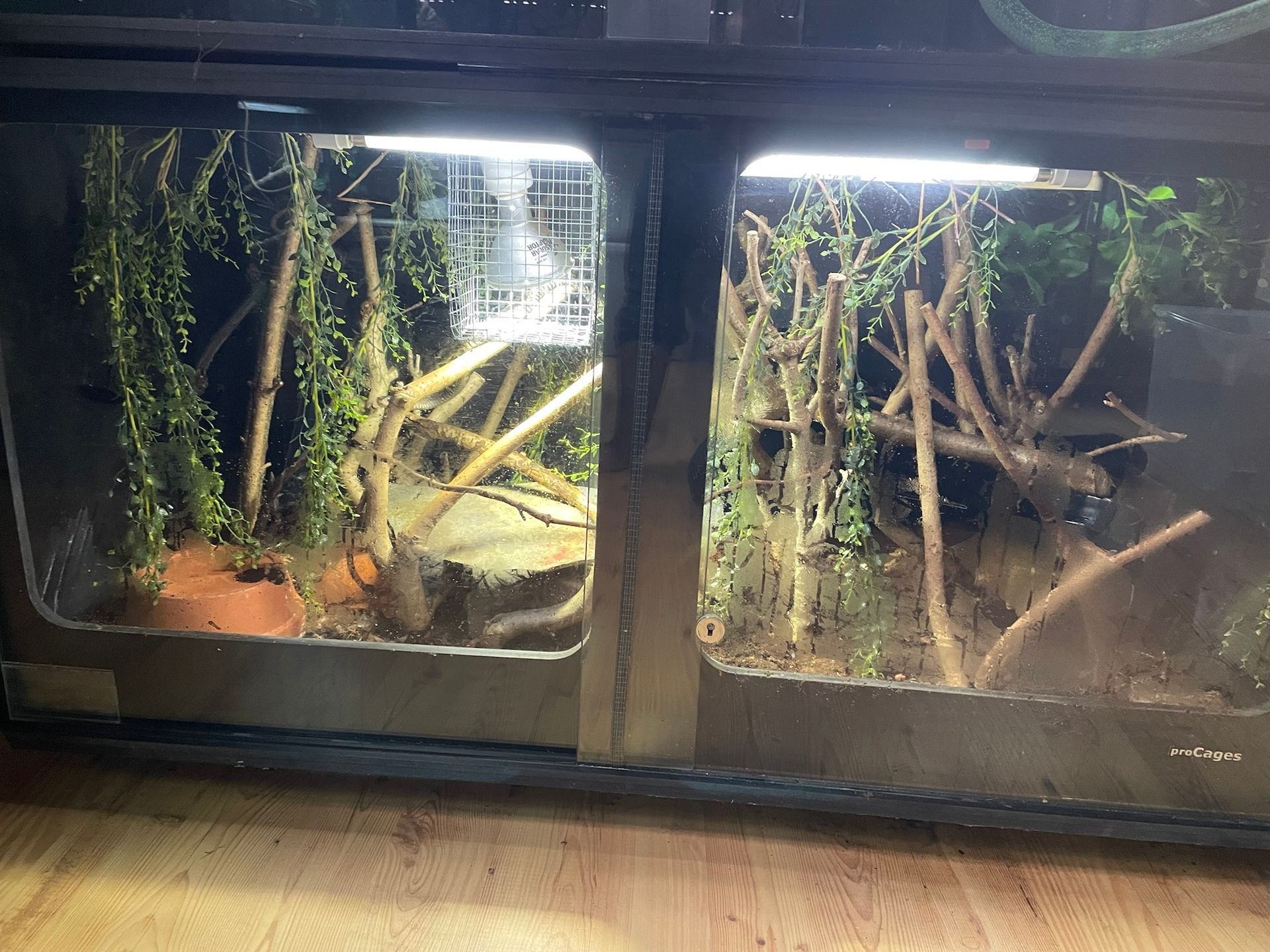
- Heating: Overhead heat panel combined with a
35-watt Solar Raptor heat lamp
- Lighting:
24-watt T5 UVA/UVB fluorescent tube
- Misting: Once or twice per week
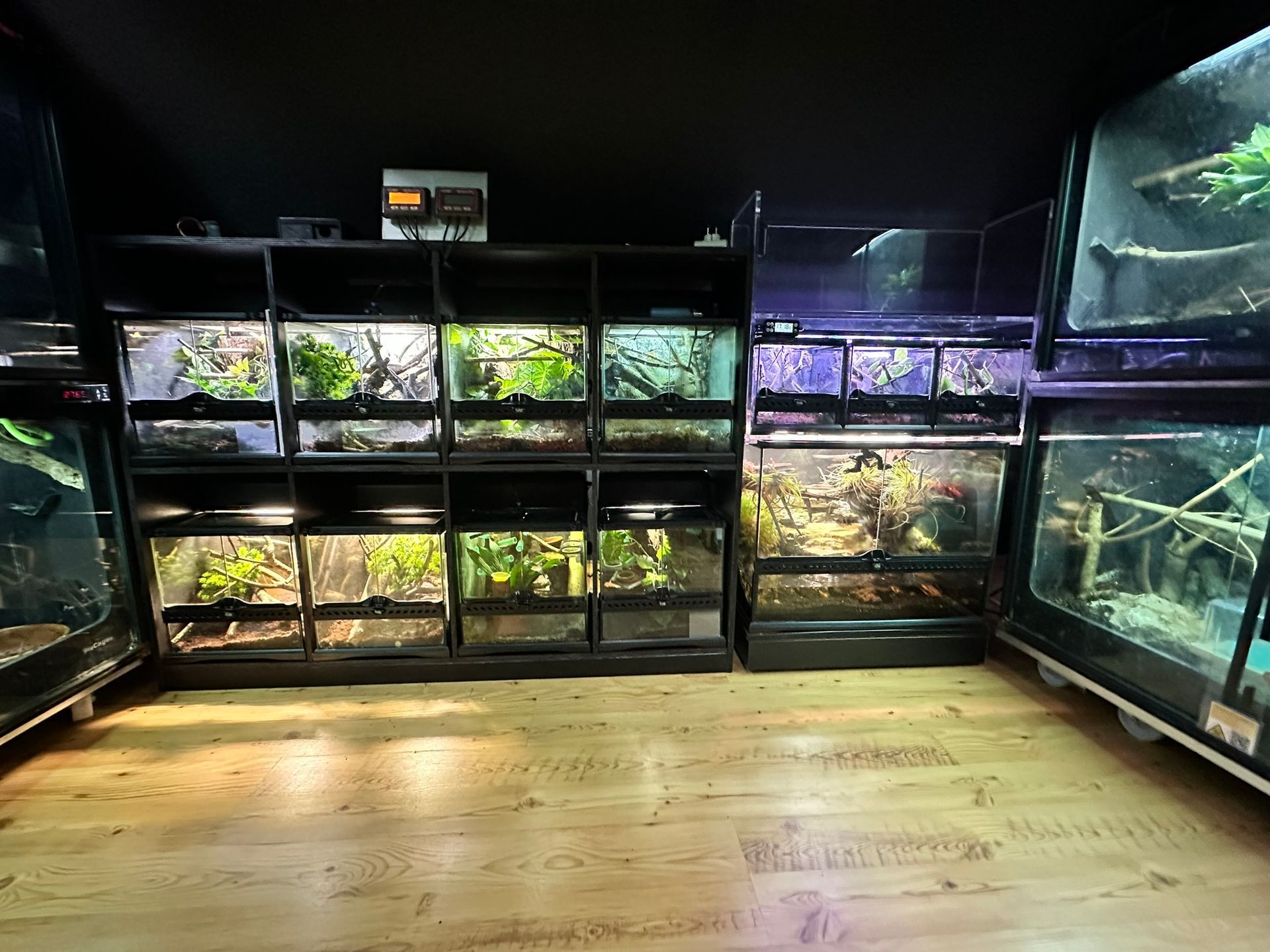
- Enclosure Furnishing: Numerous climbing branches and hiding places at various heights
- Preferred Retreat: Beneath the heat panel at
28–30°C (82–86°F)
- Temperature Range:
21–32°C (70–90°F), depending on the season
Bildtitel
Untertitel hier einfügen
Button
Bildtitel
Untertitel hier einfügen
Button
Bildtitel
Untertitel hier einfügen
Button
Bildtitel
Untertitel hier einfügen
Button
Bildtitel
Untertitel hier einfügen
Button
Bildtitel
Untertitel hier einfügen
Button
Bildtitel
Untertitel hier einfügen
Button
Bildtitel
Untertitel hier einfügen
Button
Bildtitel
Untertitel hier einfügen
Button
Bildtitel
Untertitel hier einfügen
Button
Bildtitel
Untertitel hier einfügen
Button
Bildtitel
Untertitel hier einfügen
Button
Bildtitel
Untertitel hier einfügen
Button
Bildtitel
Untertitel hier einfügen
Button
Bildtitel
Untertitel hier einfügen
Button
Bildtitel
Untertitel hier einfügen
Button
Bildtitel
Untertitel hier einfügen
Button
Bildtitel
Untertitel hier einfügen
Button
Bildtitel
Untertitel hier einfügen
Button
Bildtitel
Untertitel hier einfügen
Button
Bildtitel
Untertitel hier einfügen
Button
Bildtitel
Untertitel hier einfügen
Button
Bildtitel
Untertitel hier einfügen
Button
Bildtitel
Untertitel hier einfügen
Button
Bildtitel
Untertitel hier einfügen
Button
Bildtitel
Untertitel hier einfügen
Button
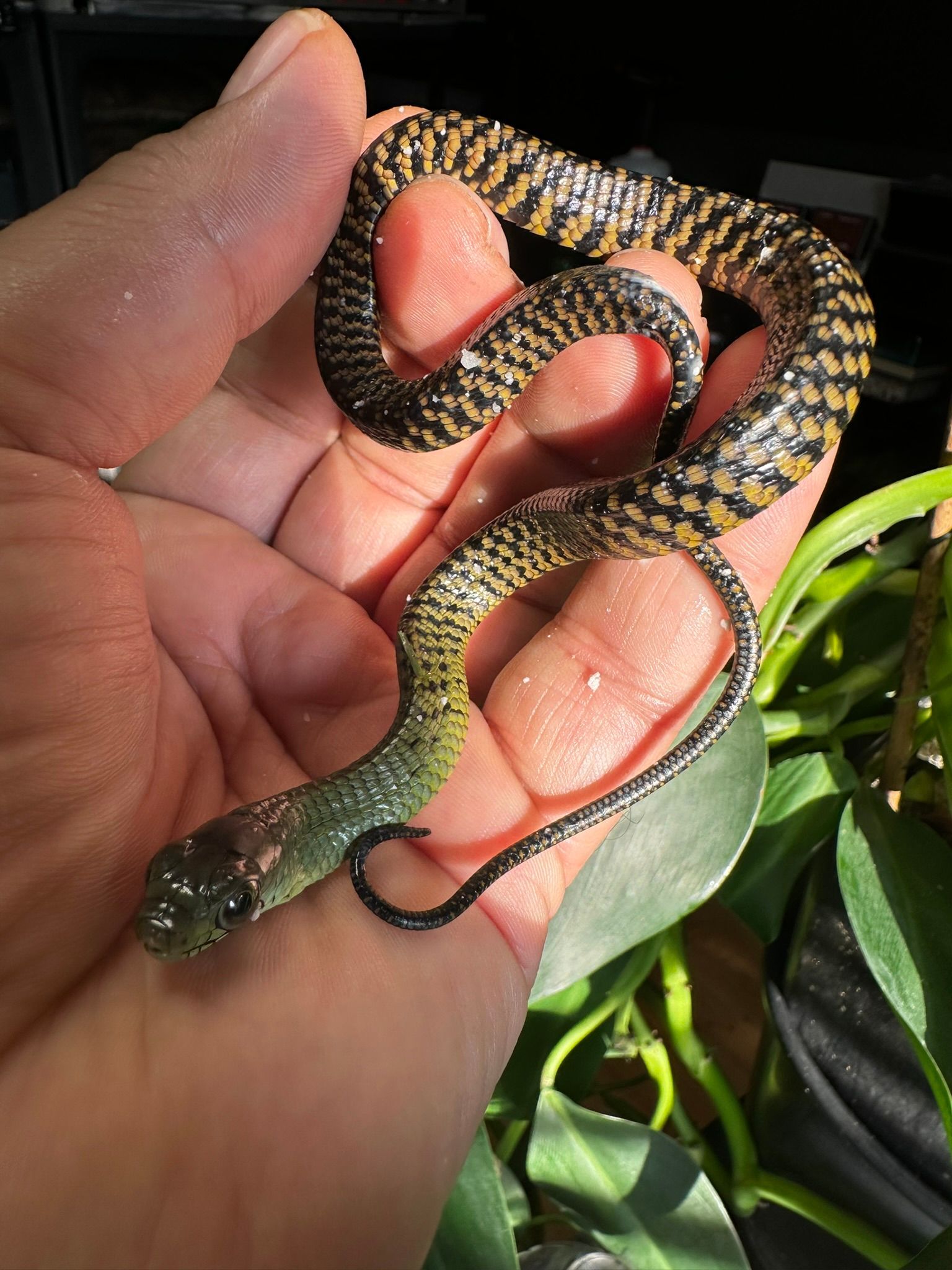
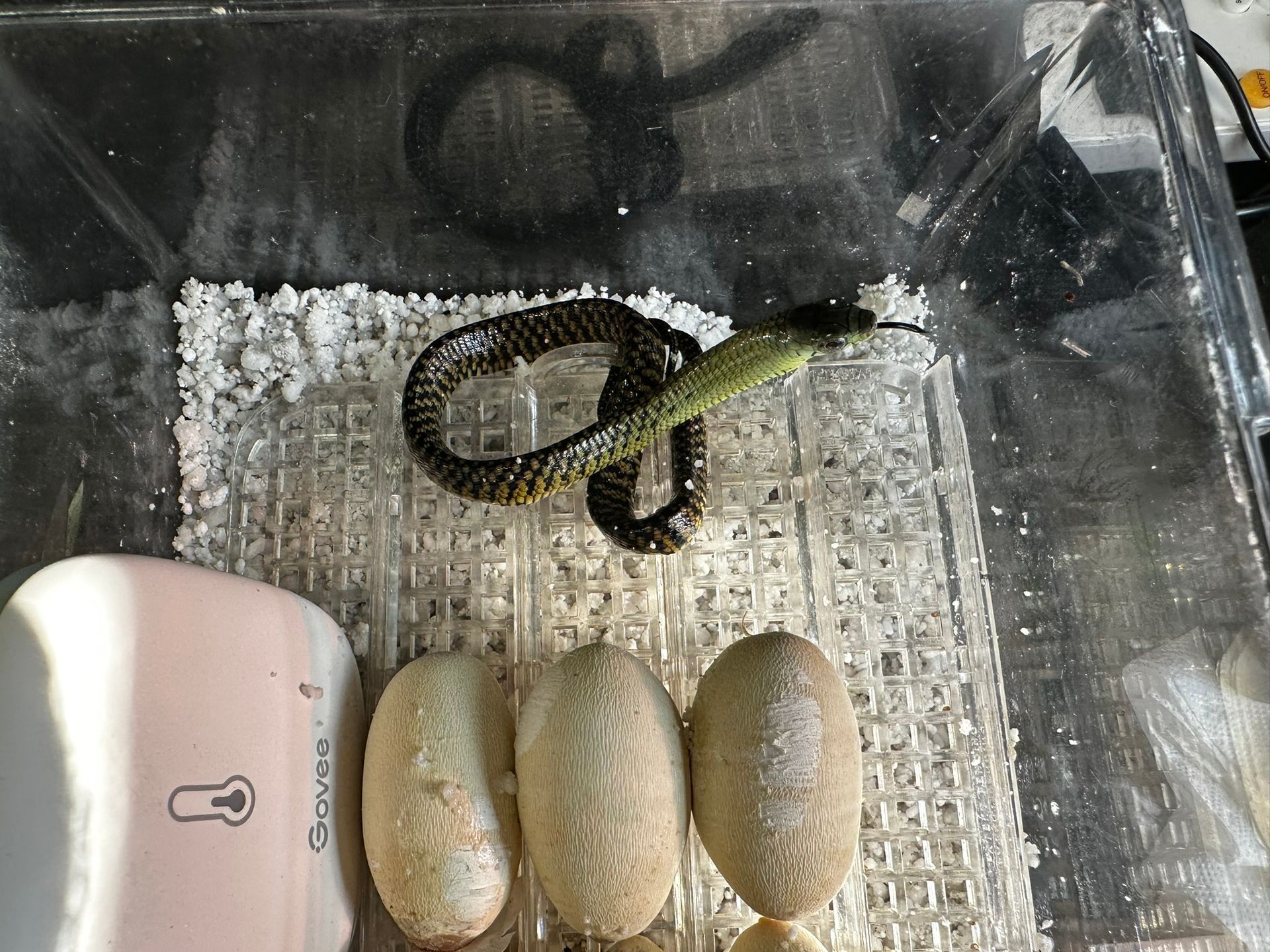
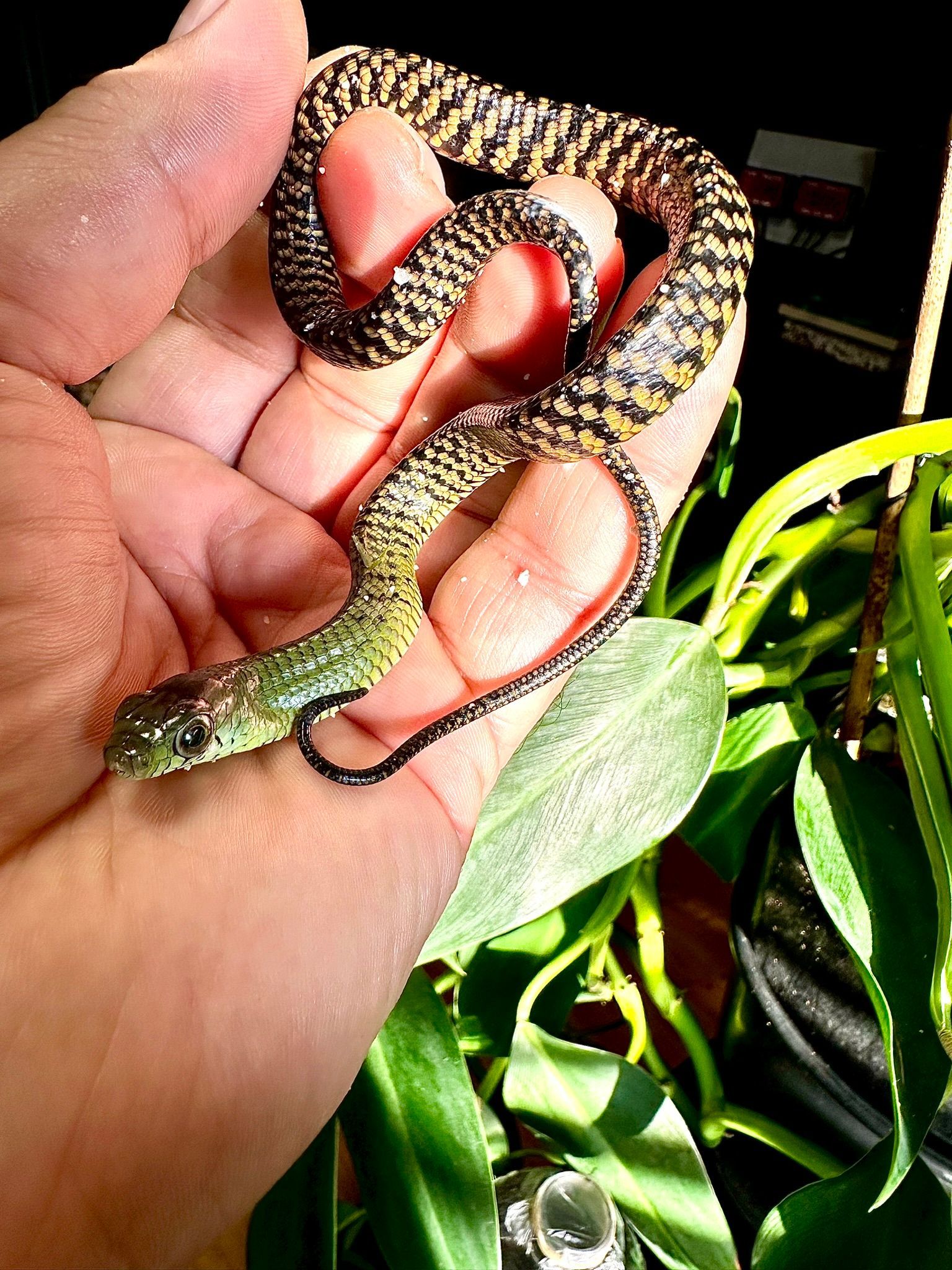
Hatching Process
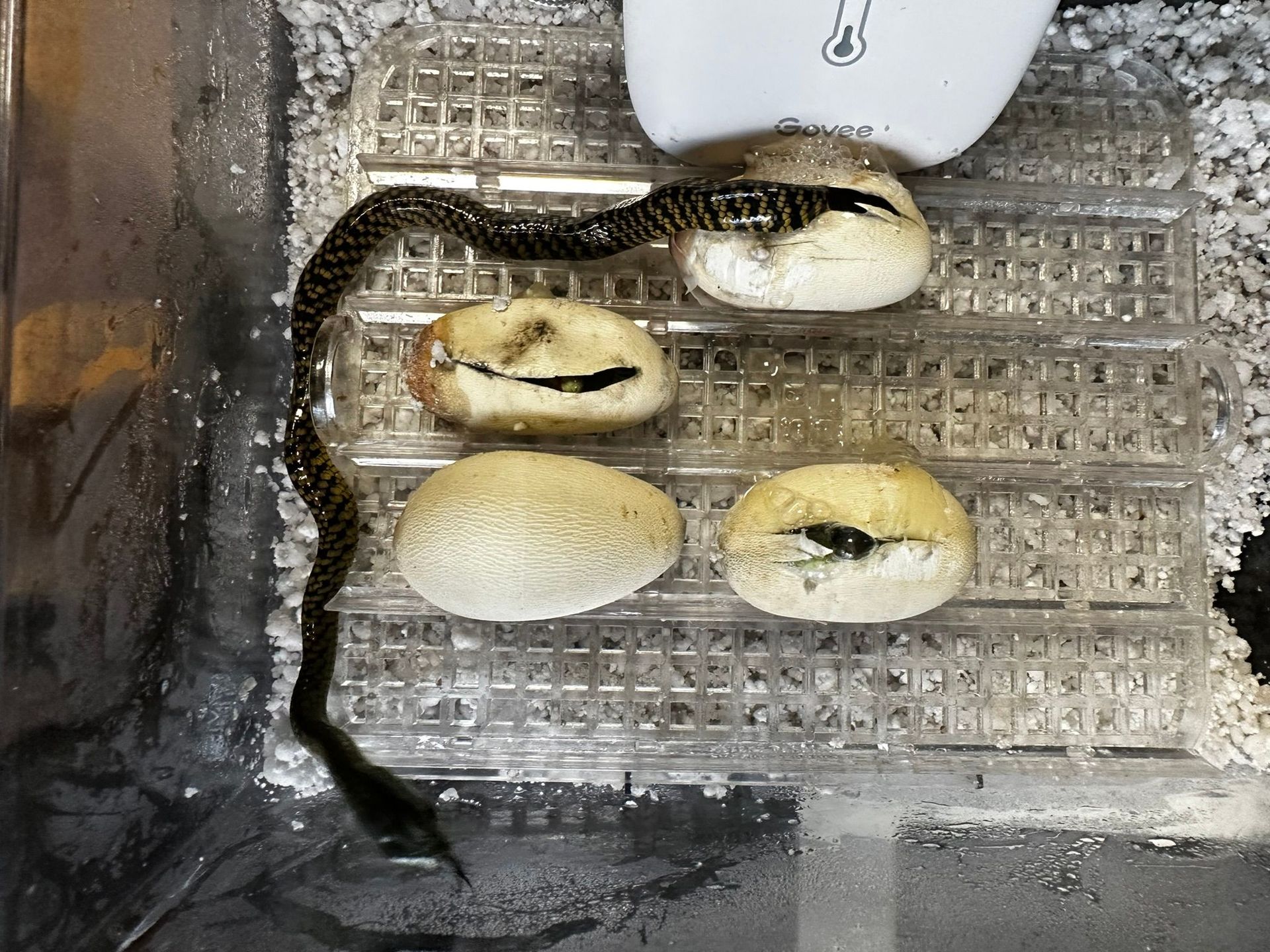
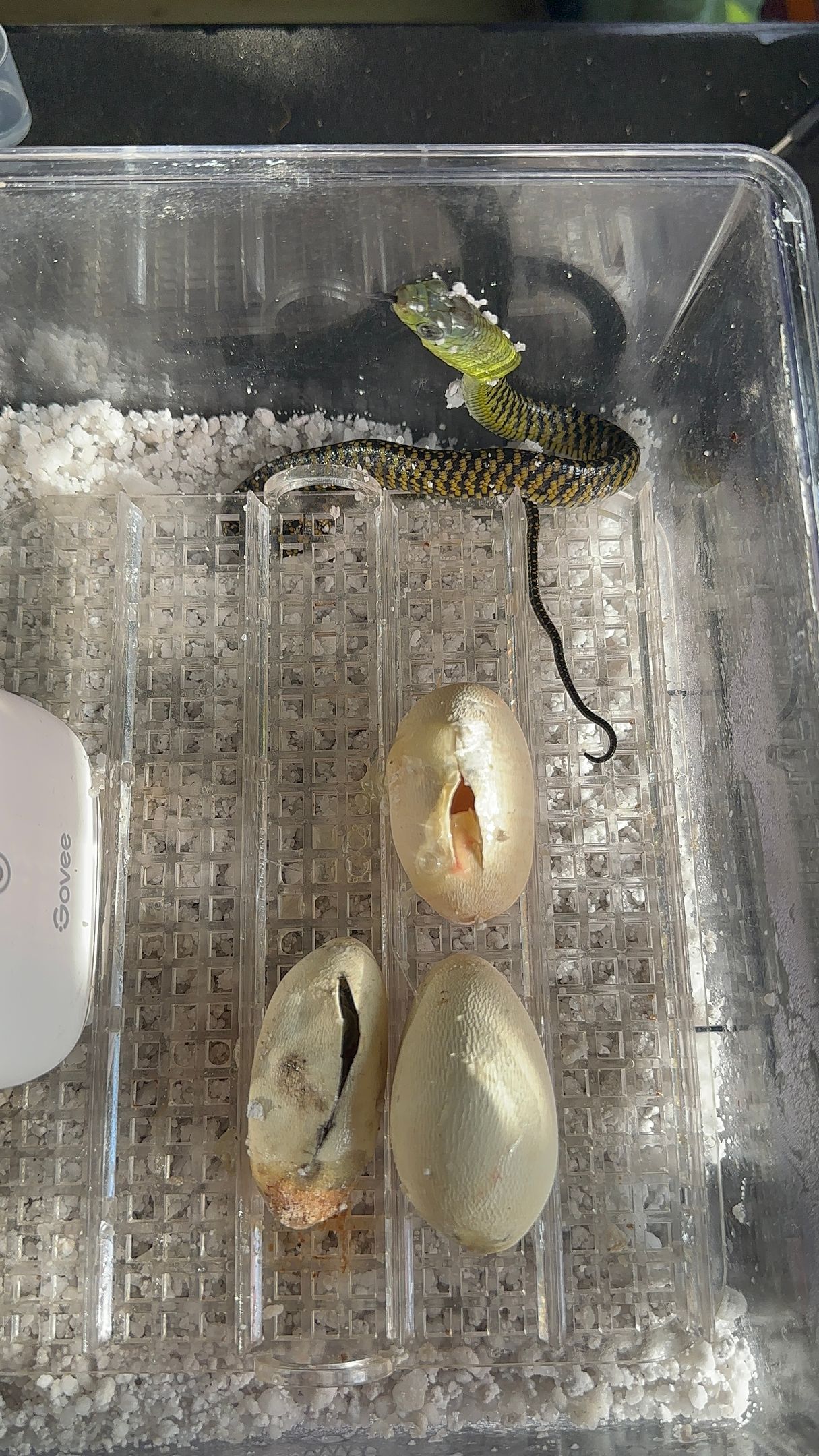
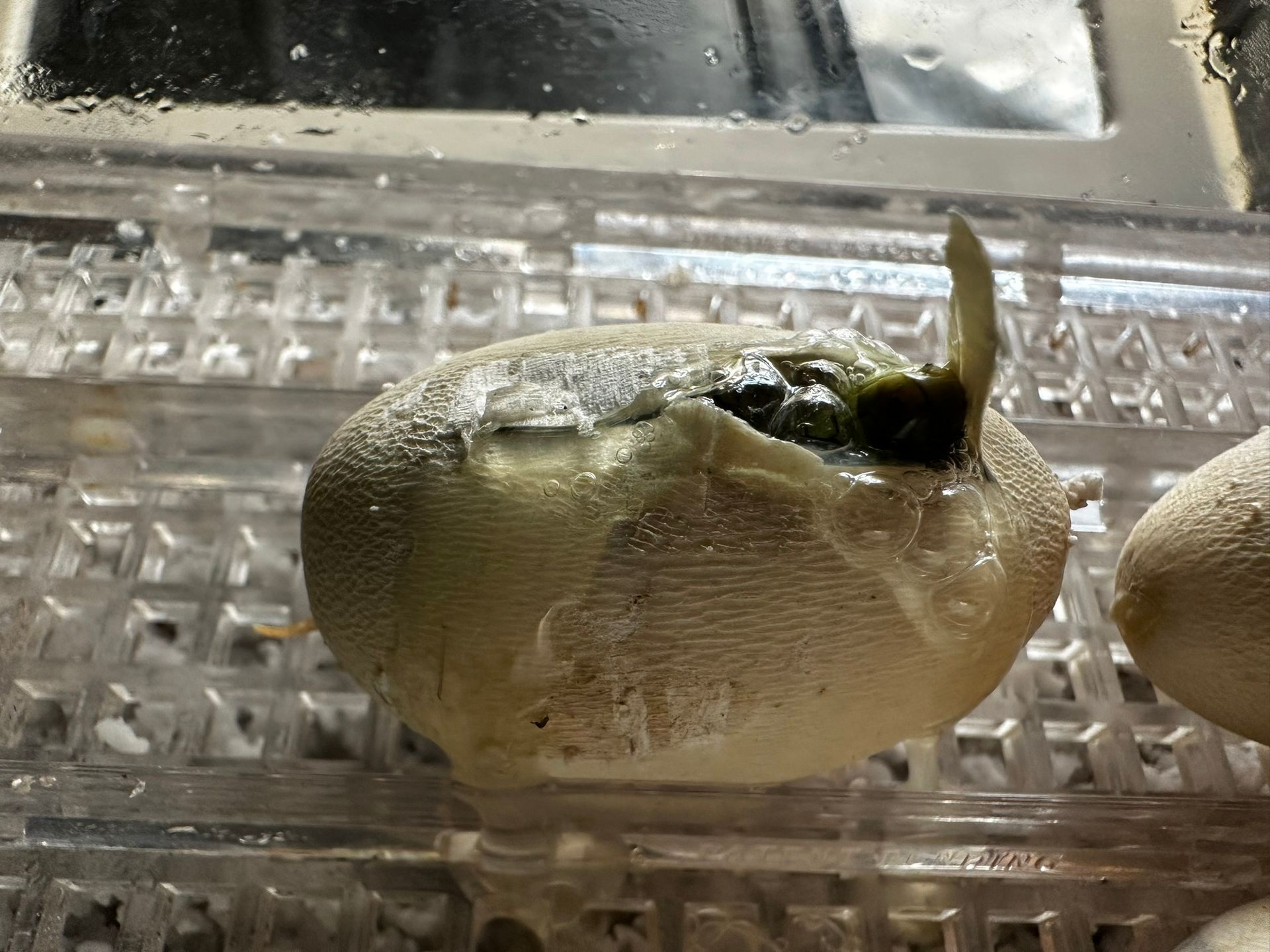
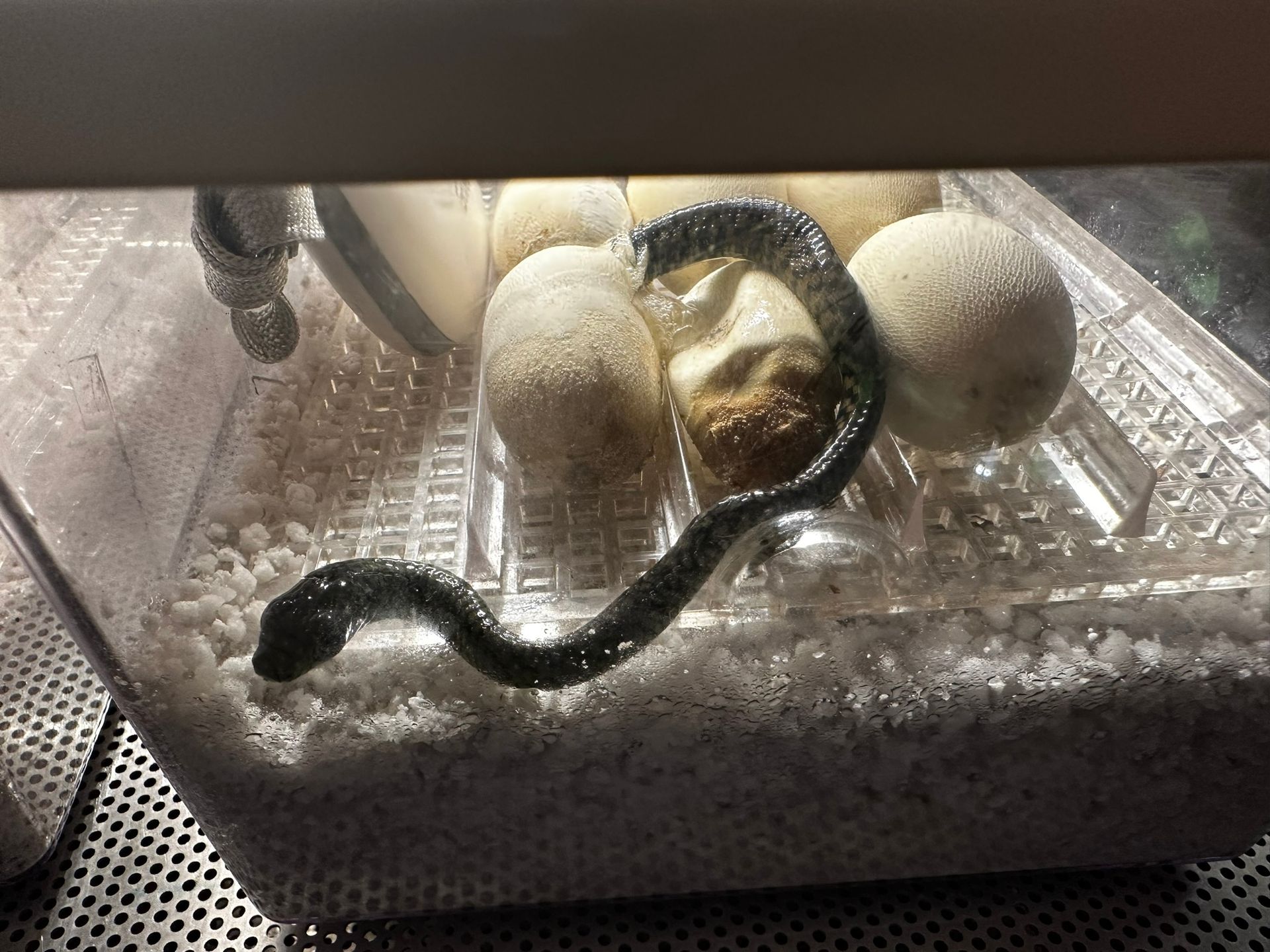
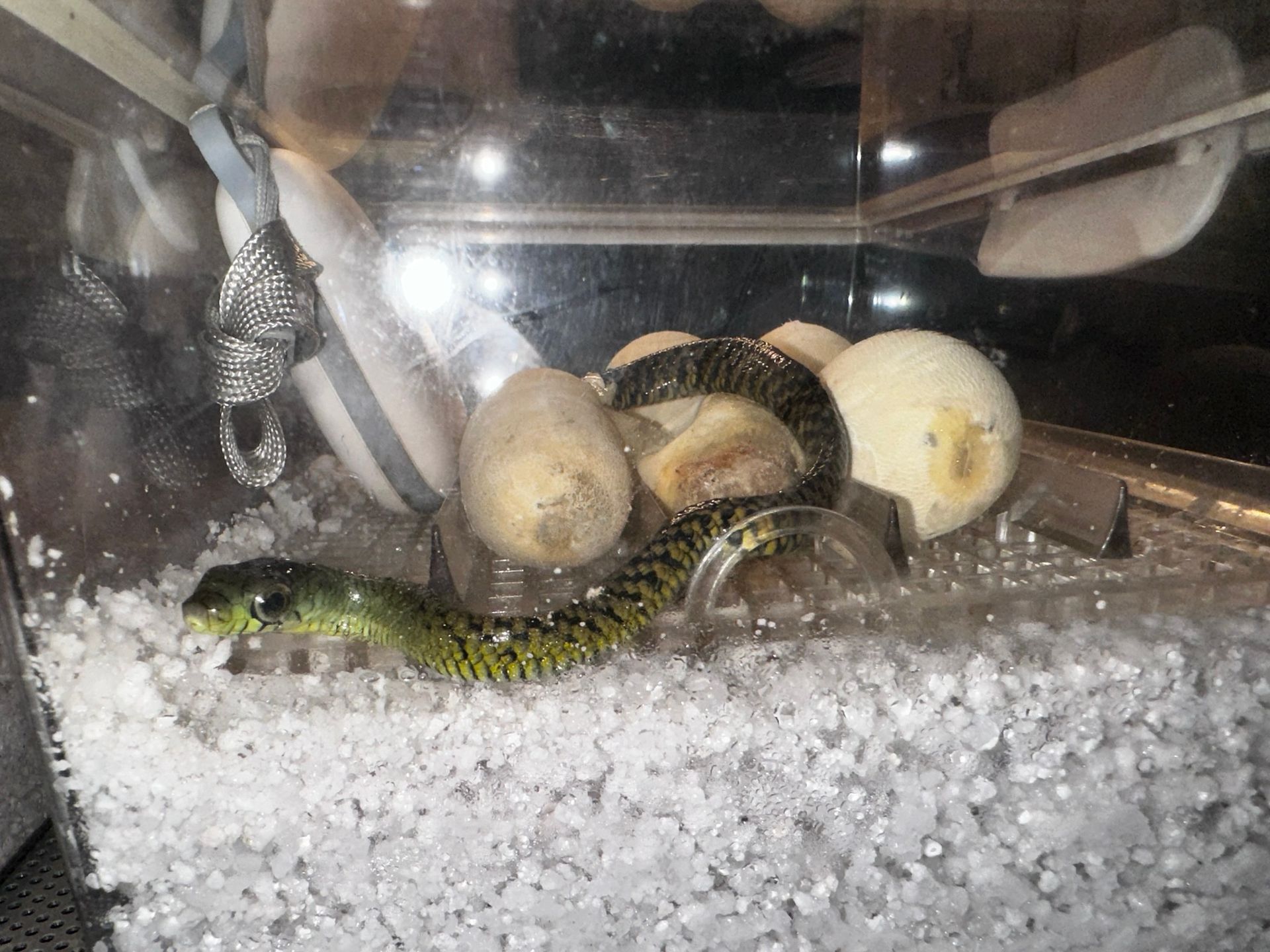
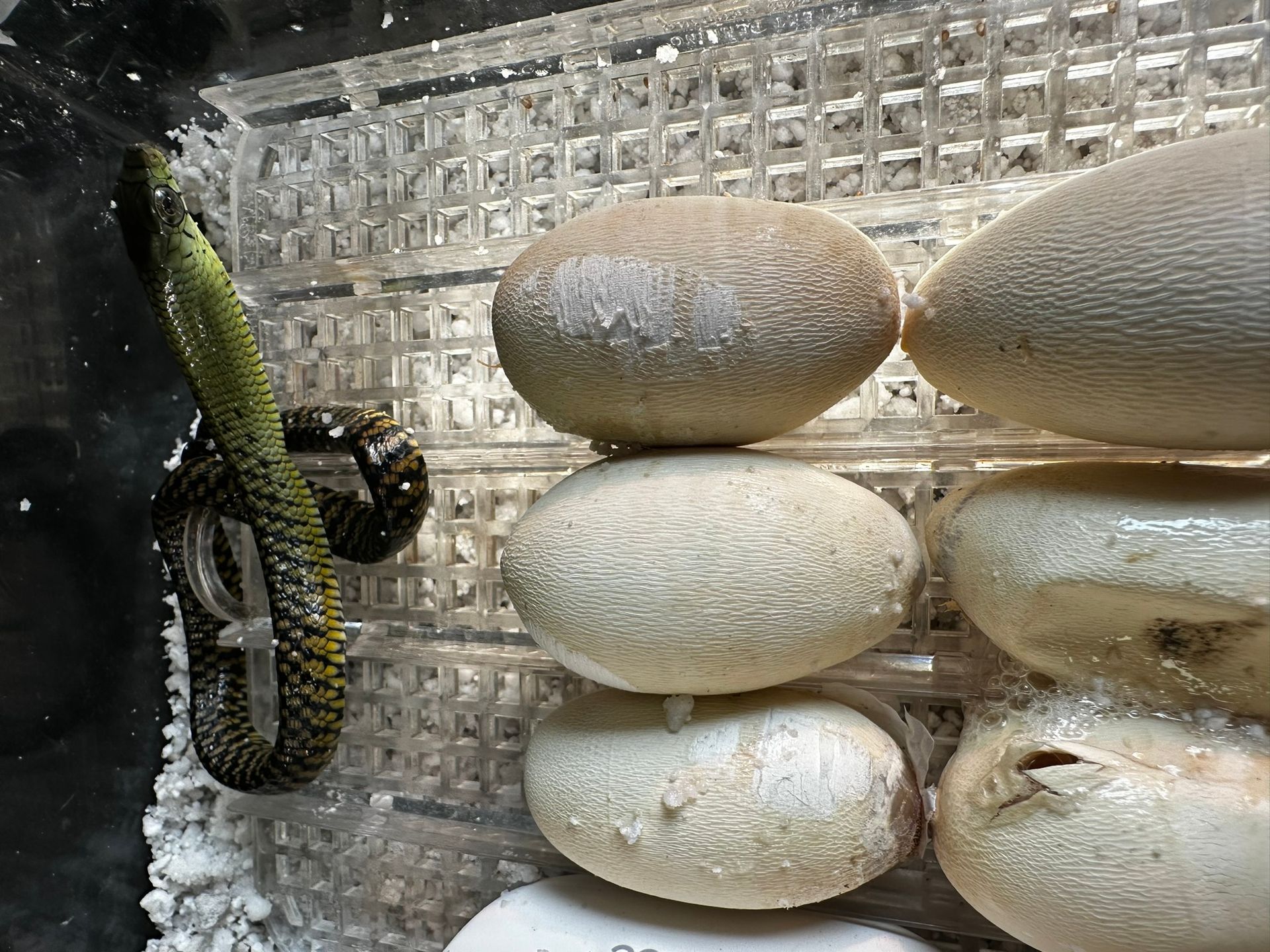
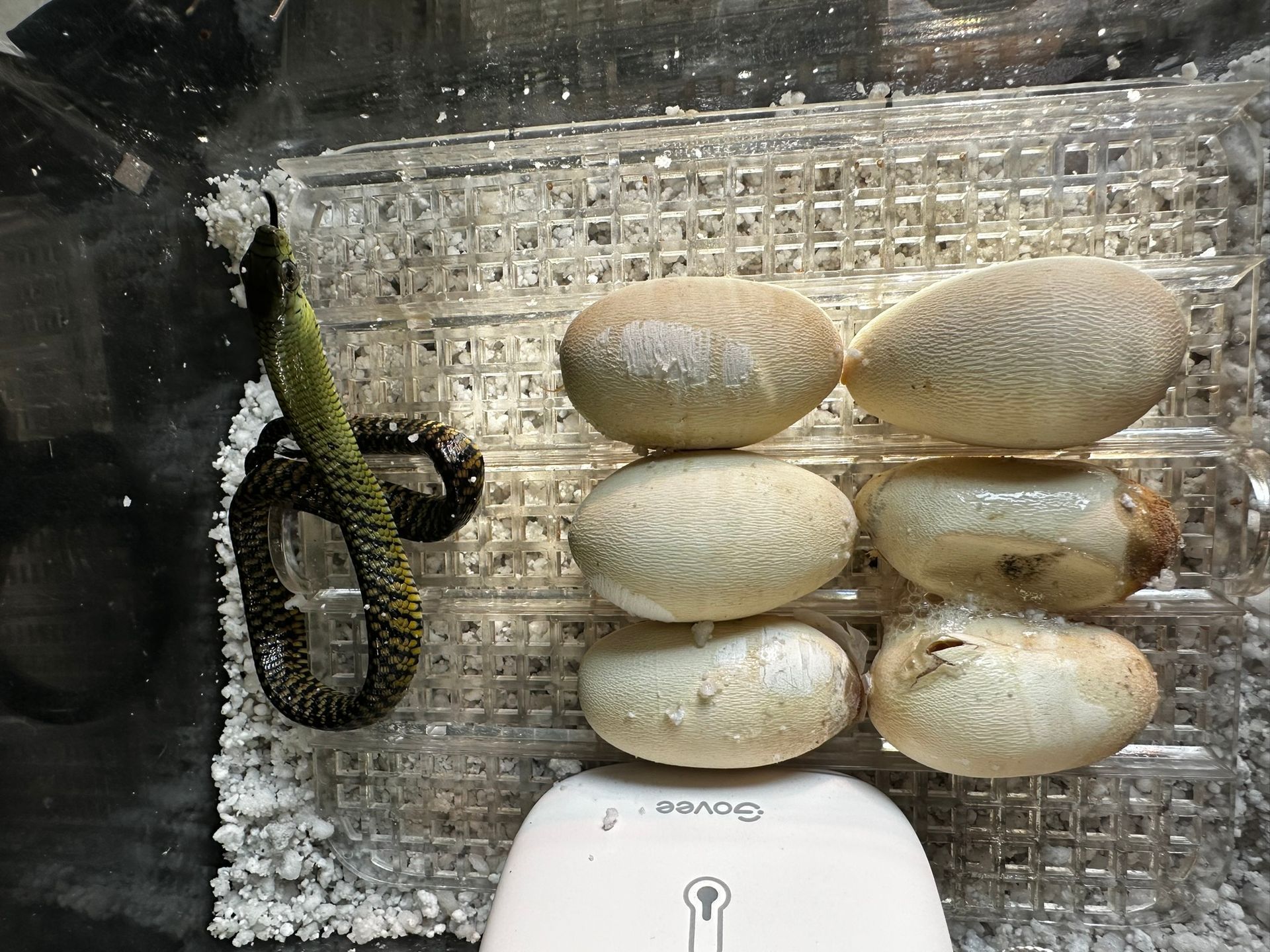
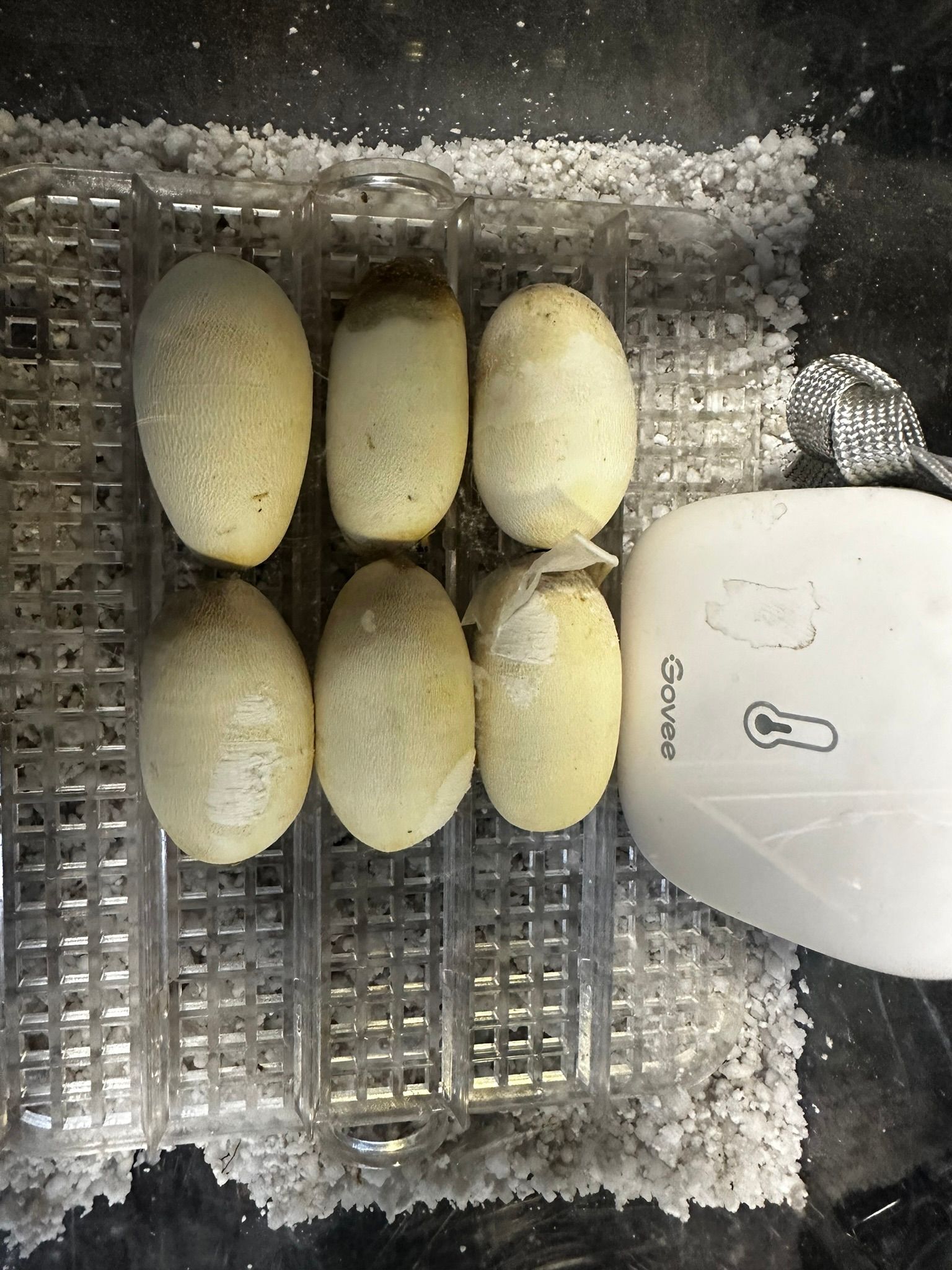
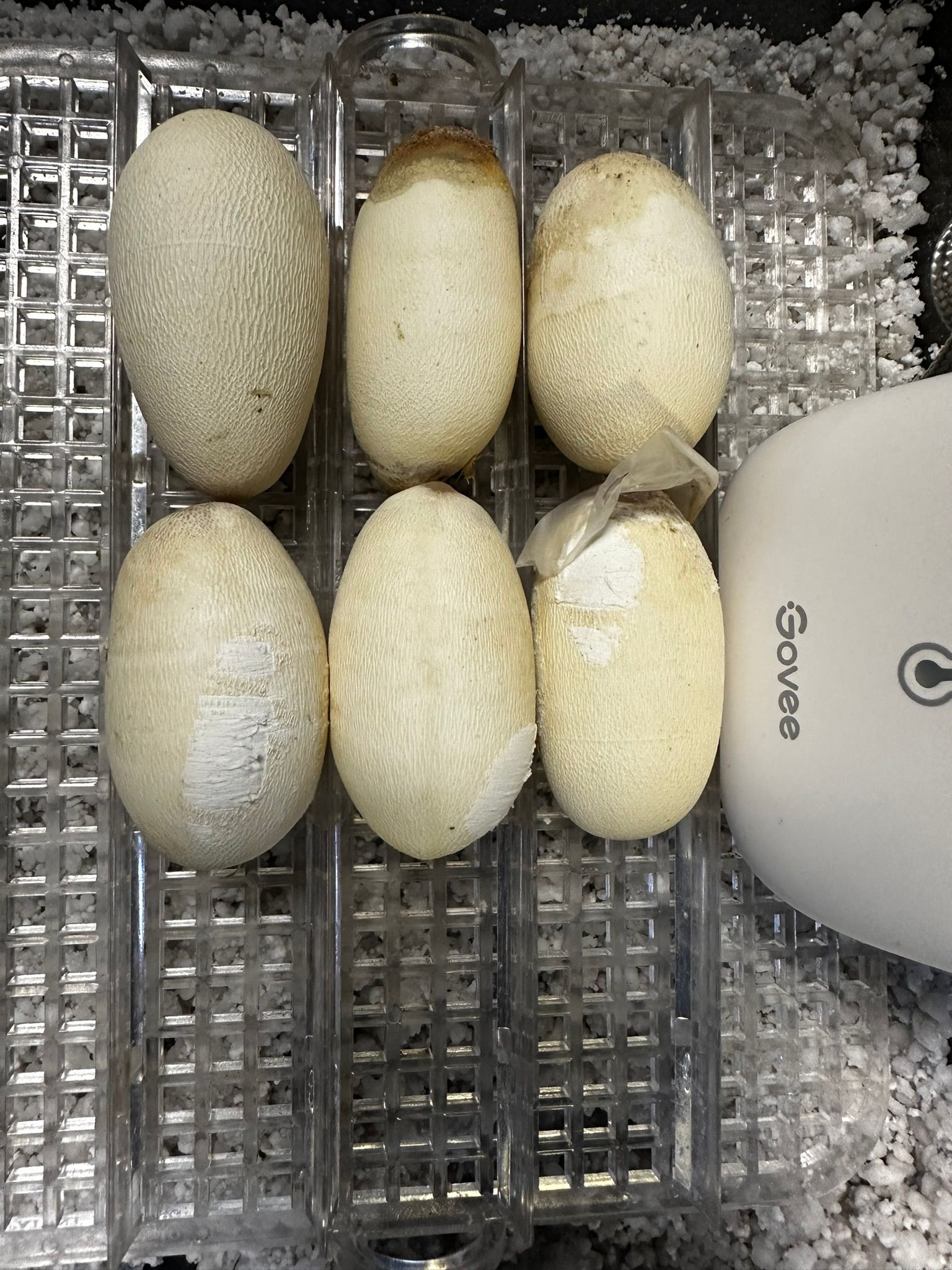
The first hatchling pipped its egg on
day 91 of incubation.
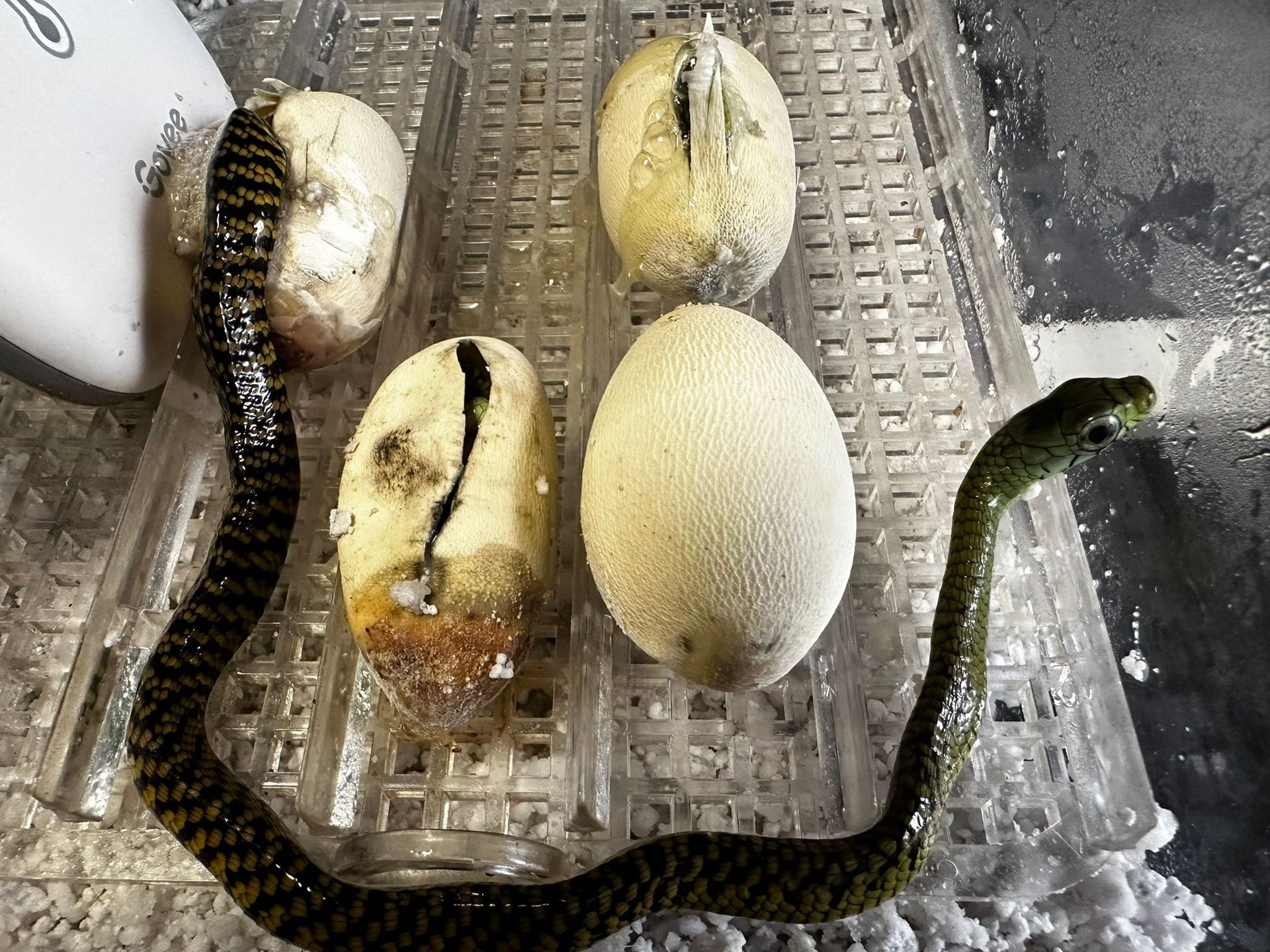
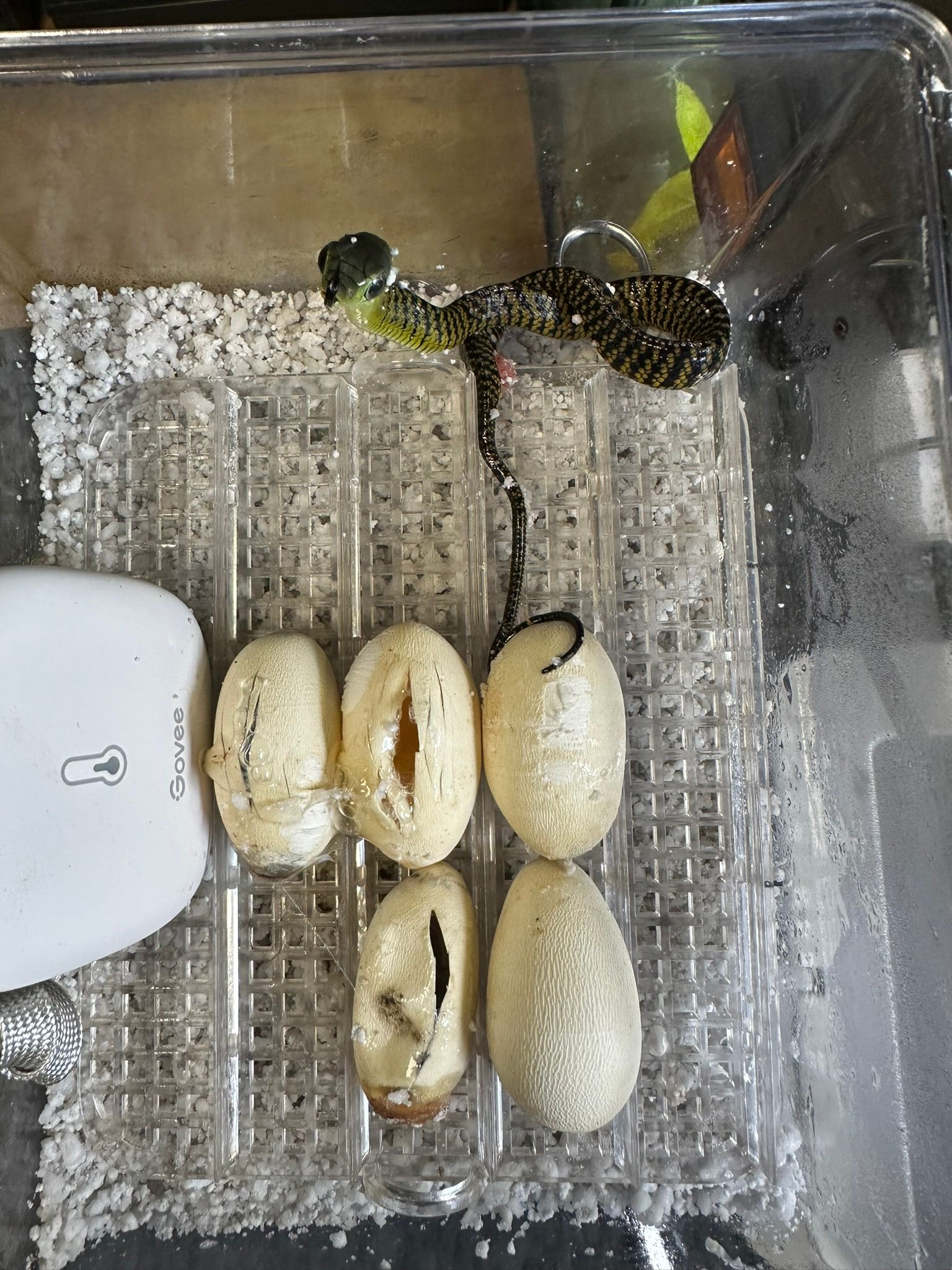
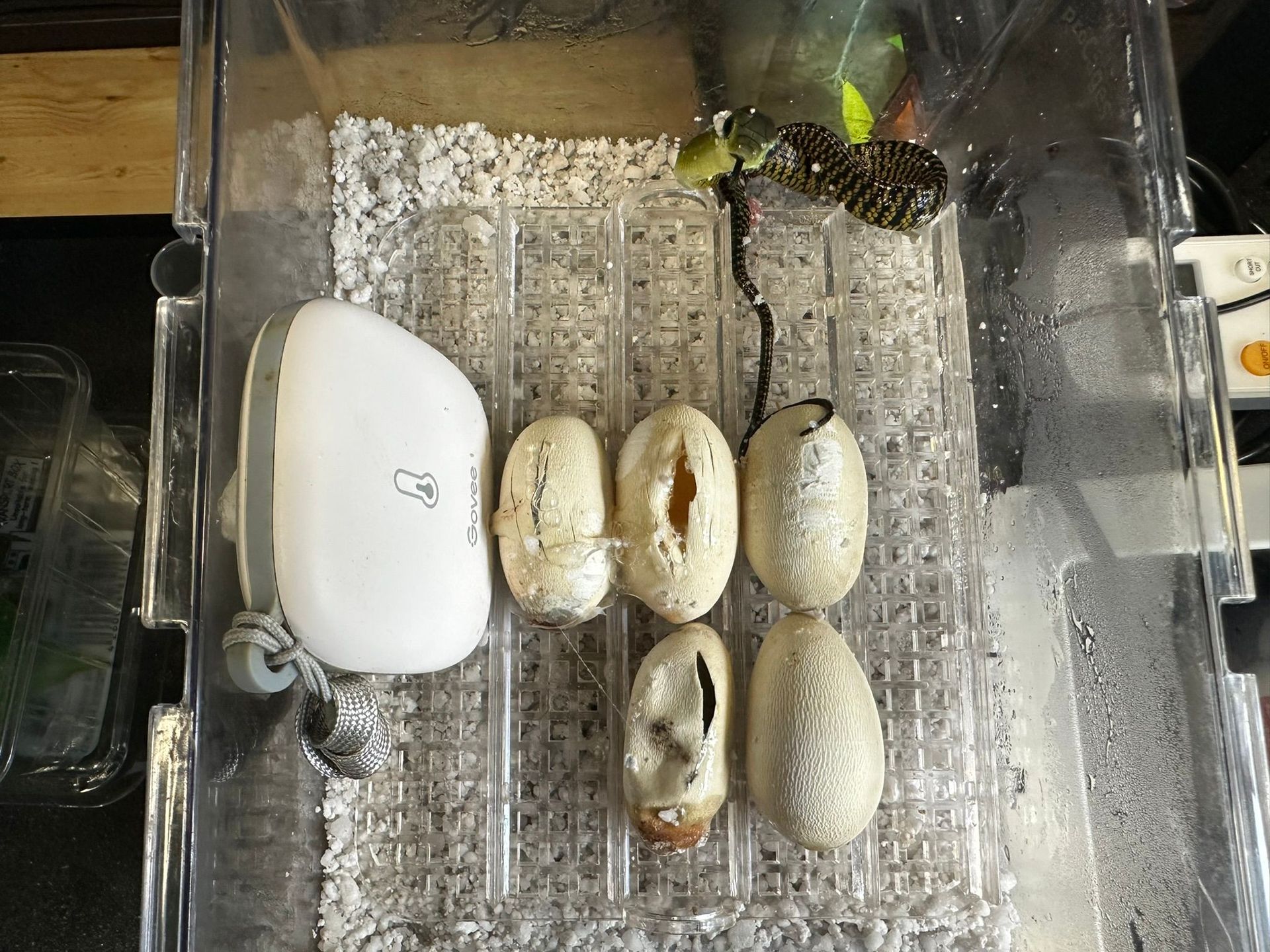
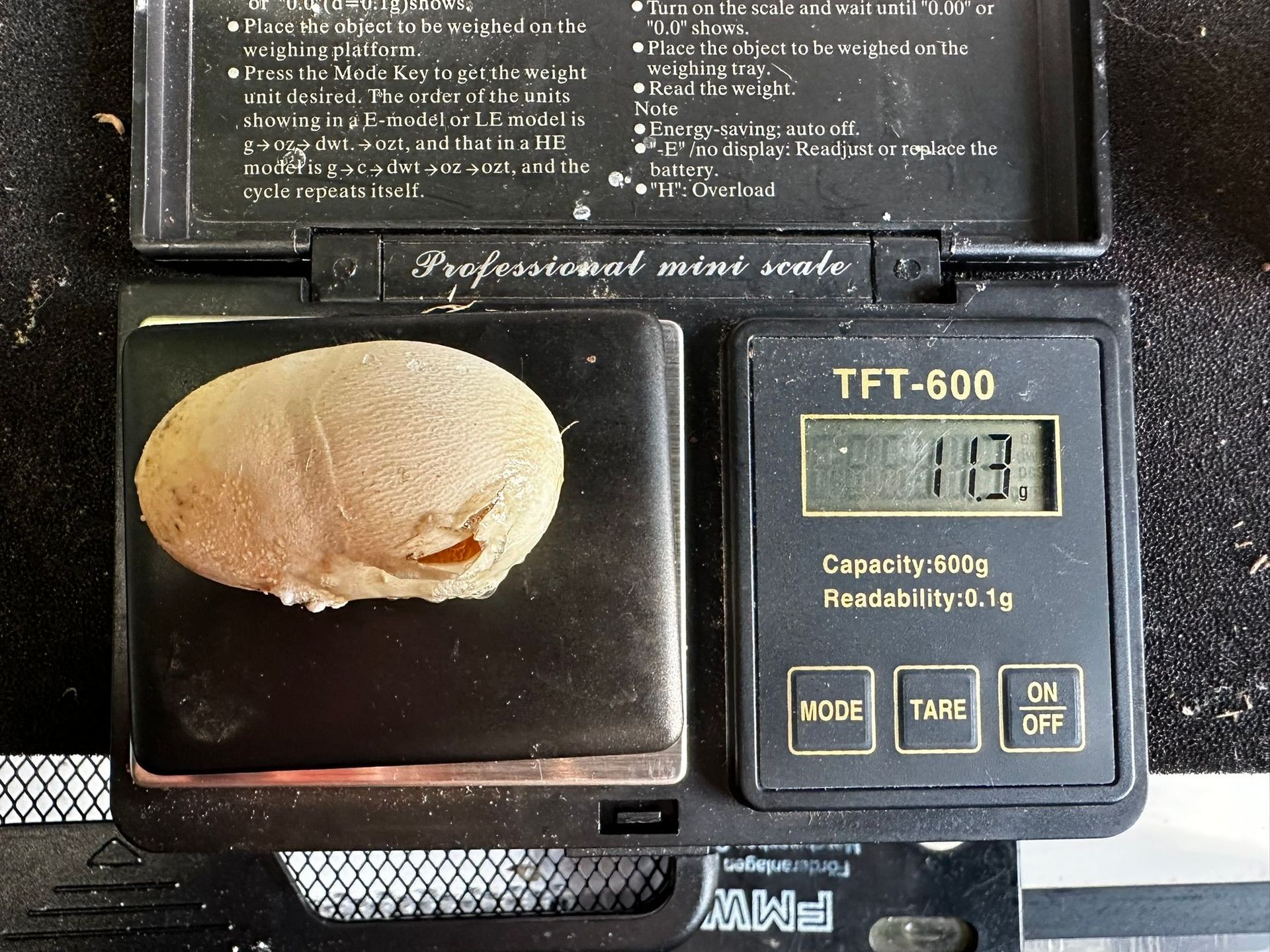
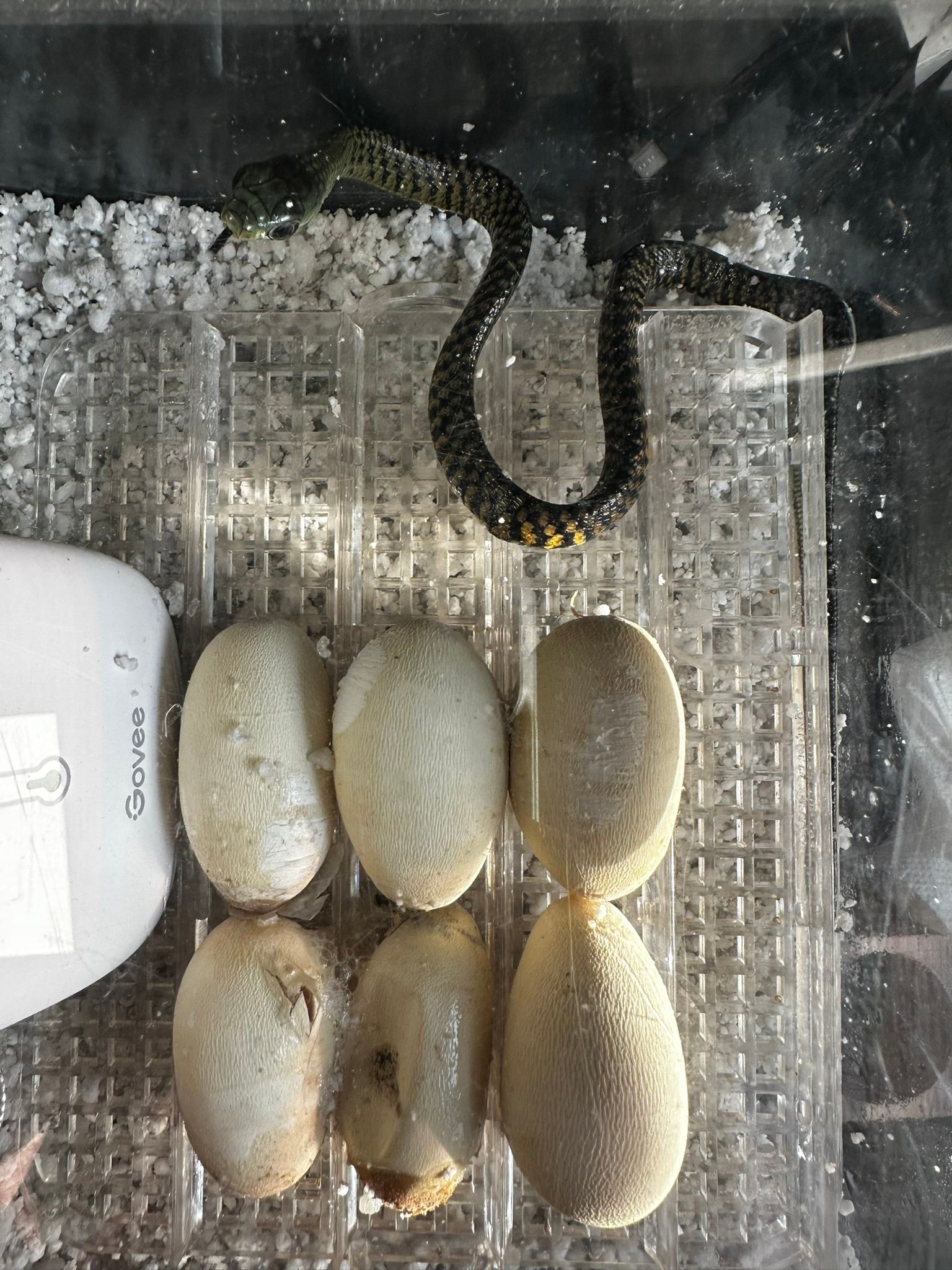
The hatchlings typically opened the egg by making a longitudinal slit along the upper surface. Initially, only a small opening was visible, with the tip of the snout protruding. This was followed by a larger incision as hatching progressed.
After pipping, the hatchlings generally remained inside the egg for approximately
24 hours before emerging completely.
Hatching Timeline
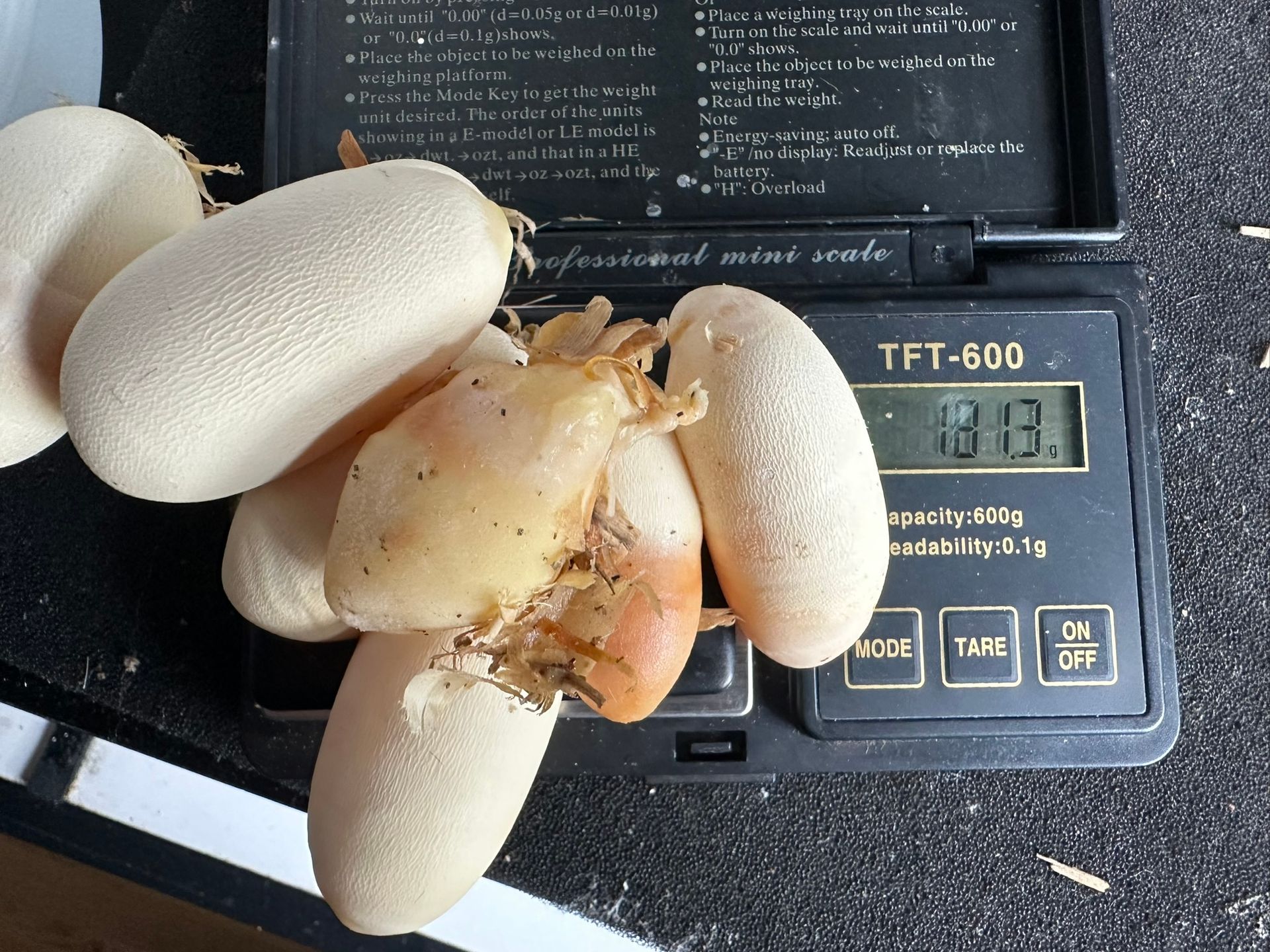
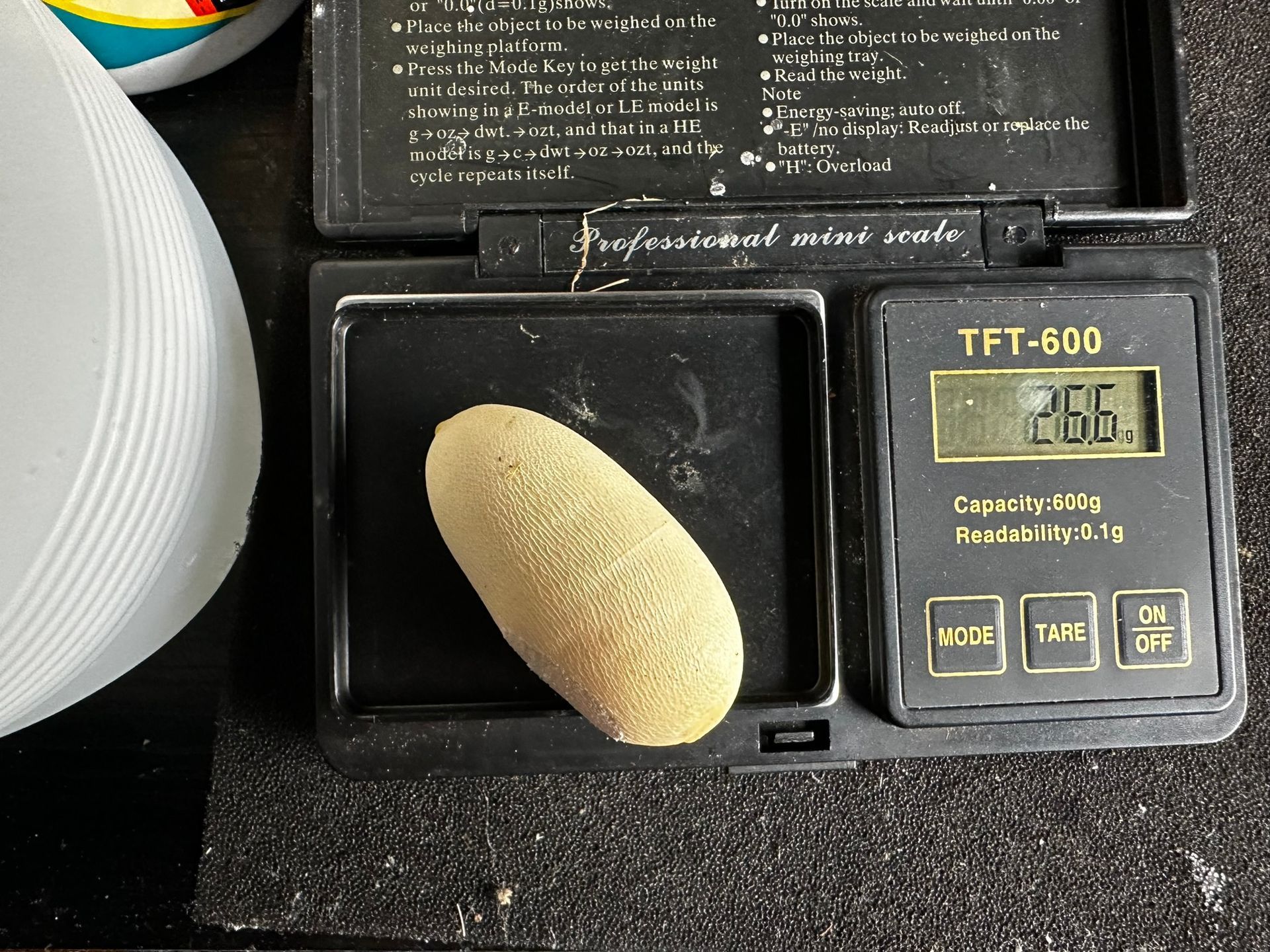
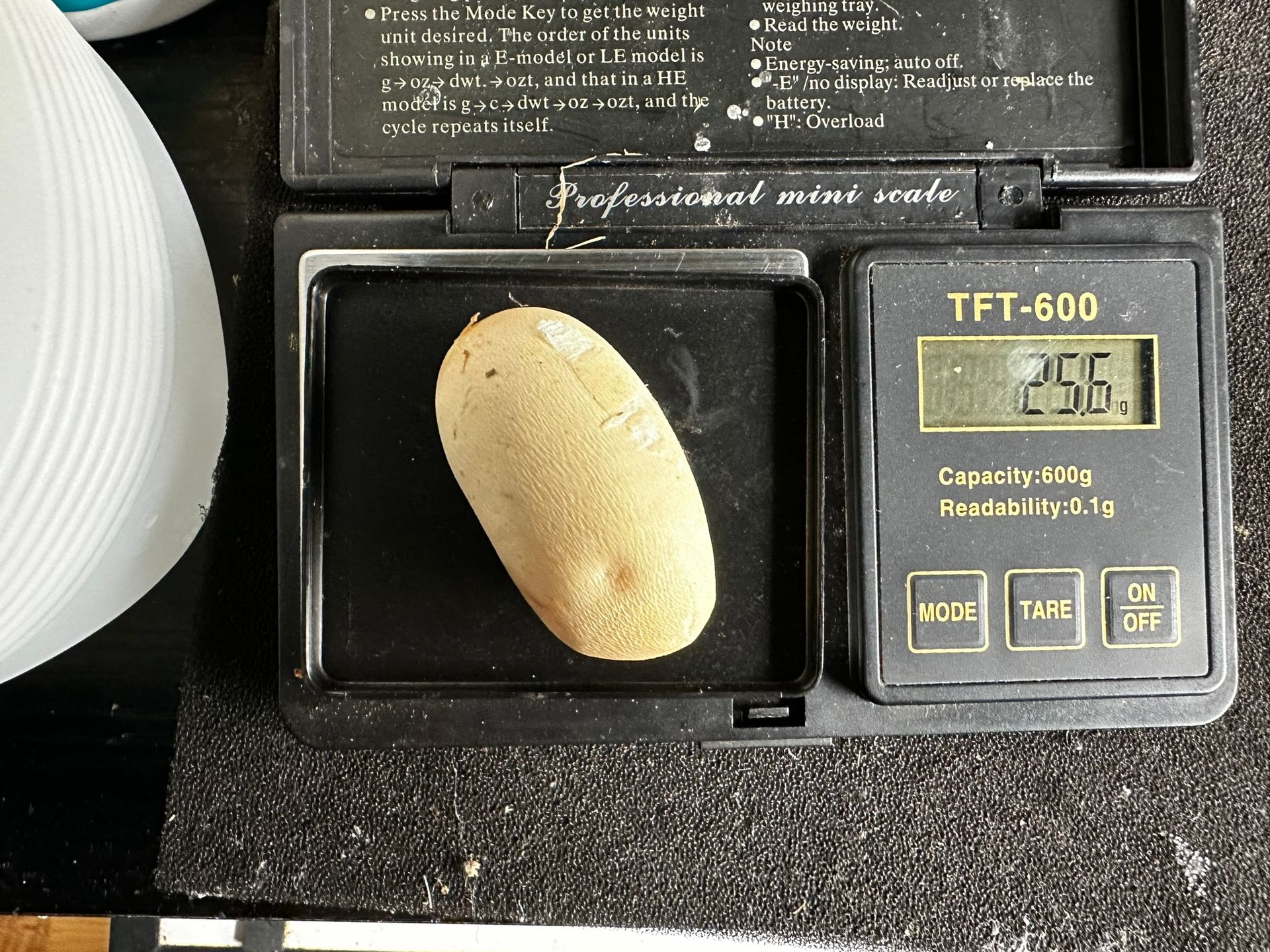
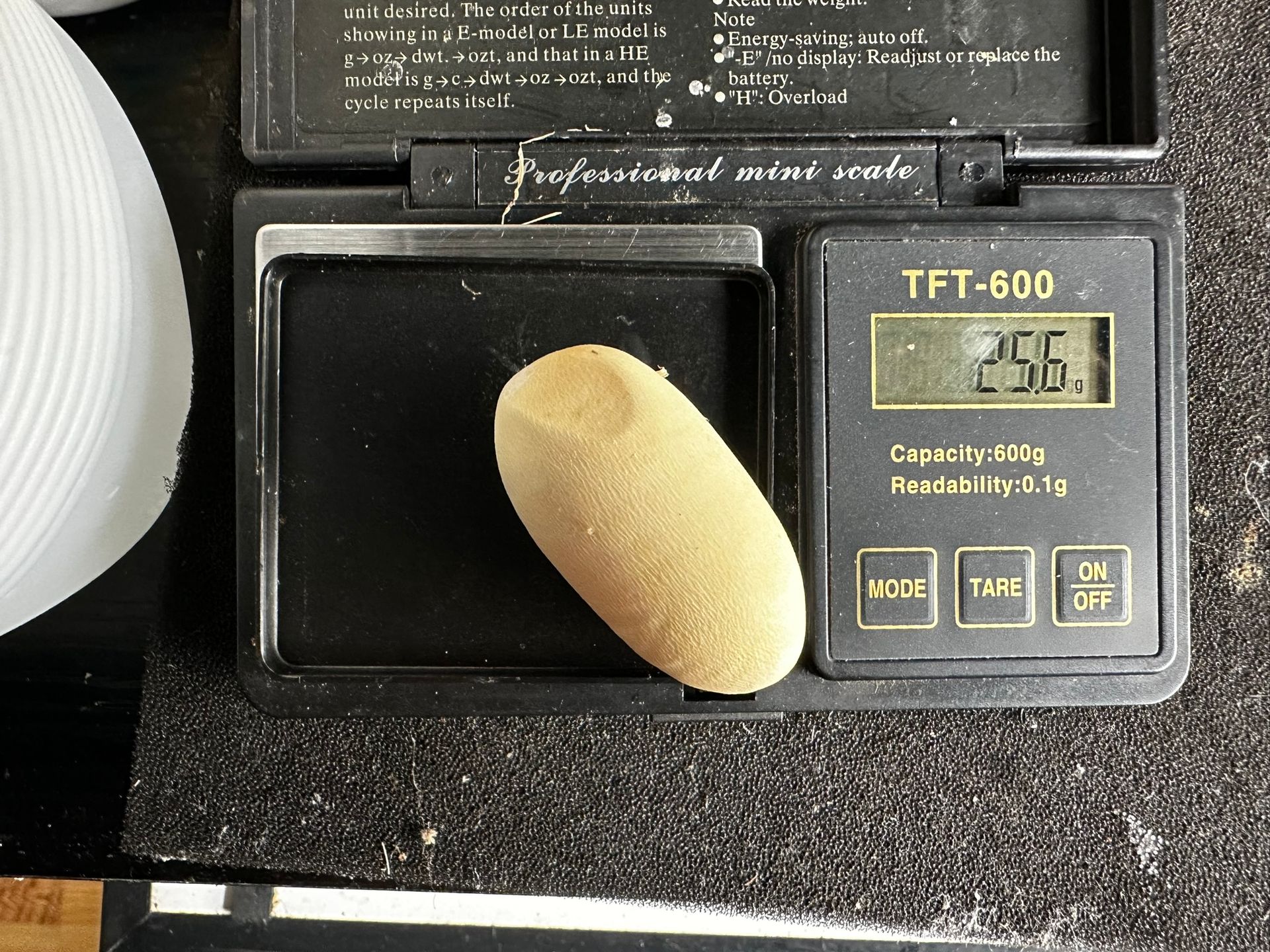
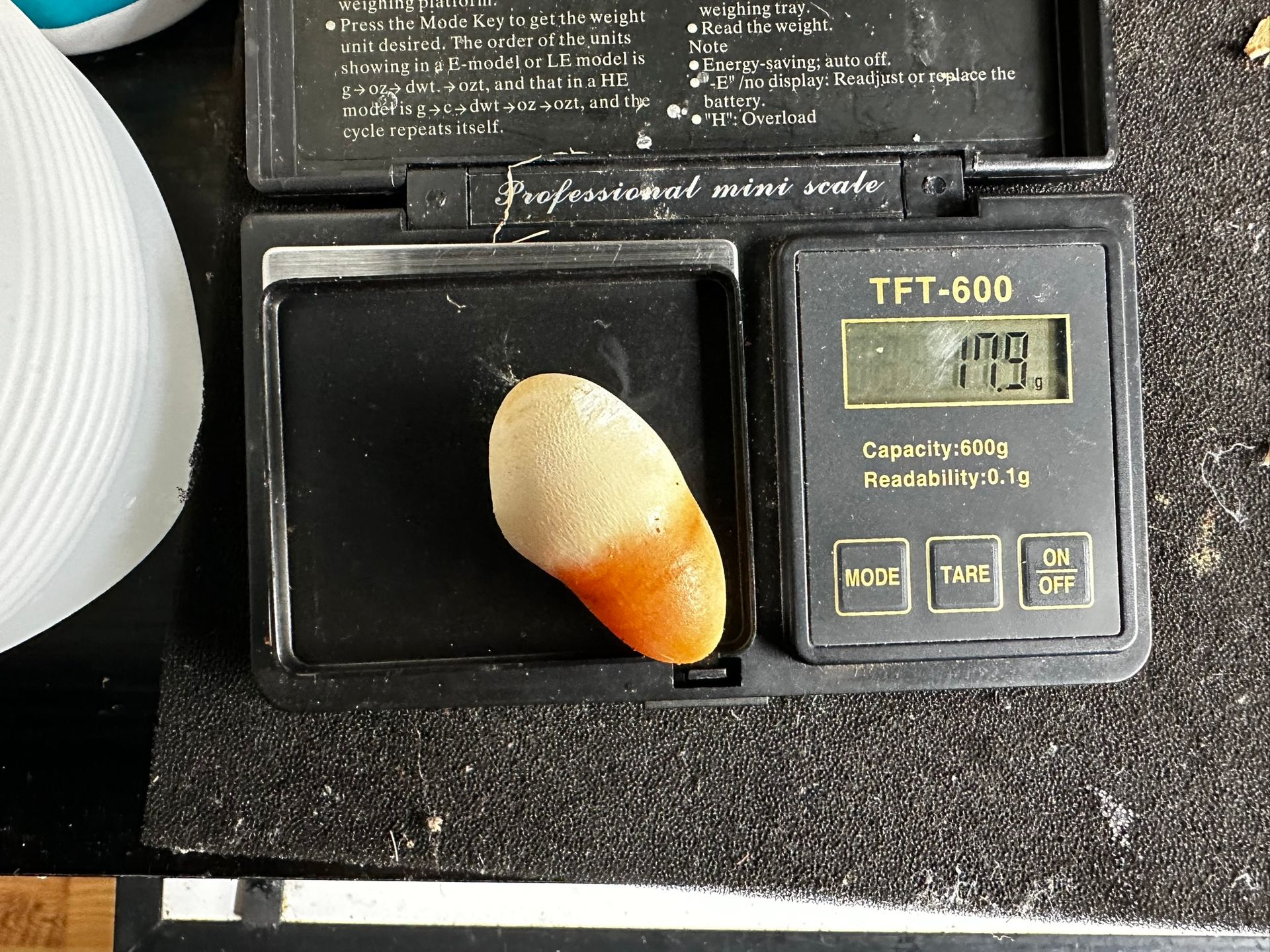
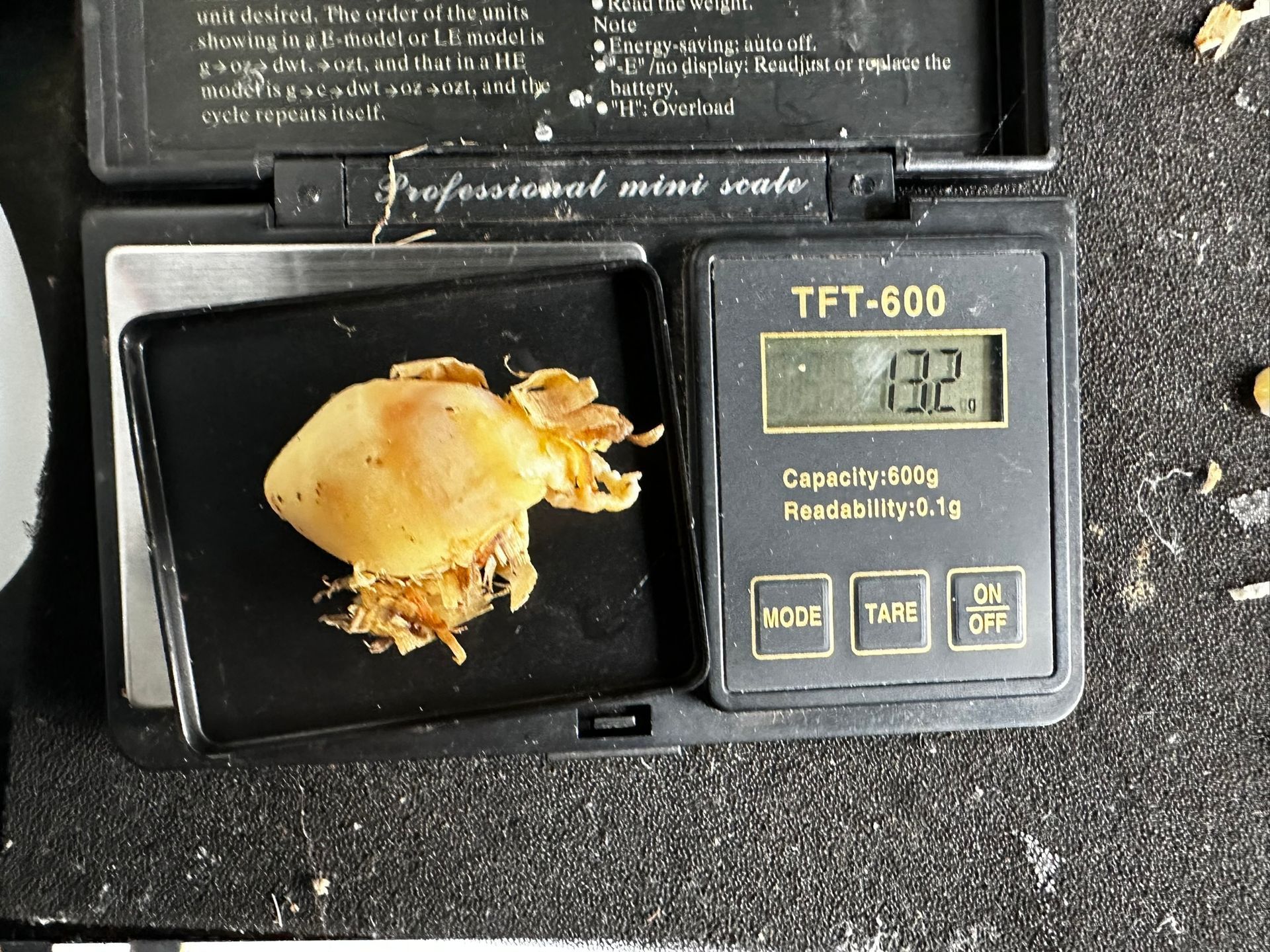
- Day 91: First hatchling pipped its egg and emerged on
day 92; approximately
12 g, with a small residual yolk sac.
- Day 92: No additional hatchlings emerged.
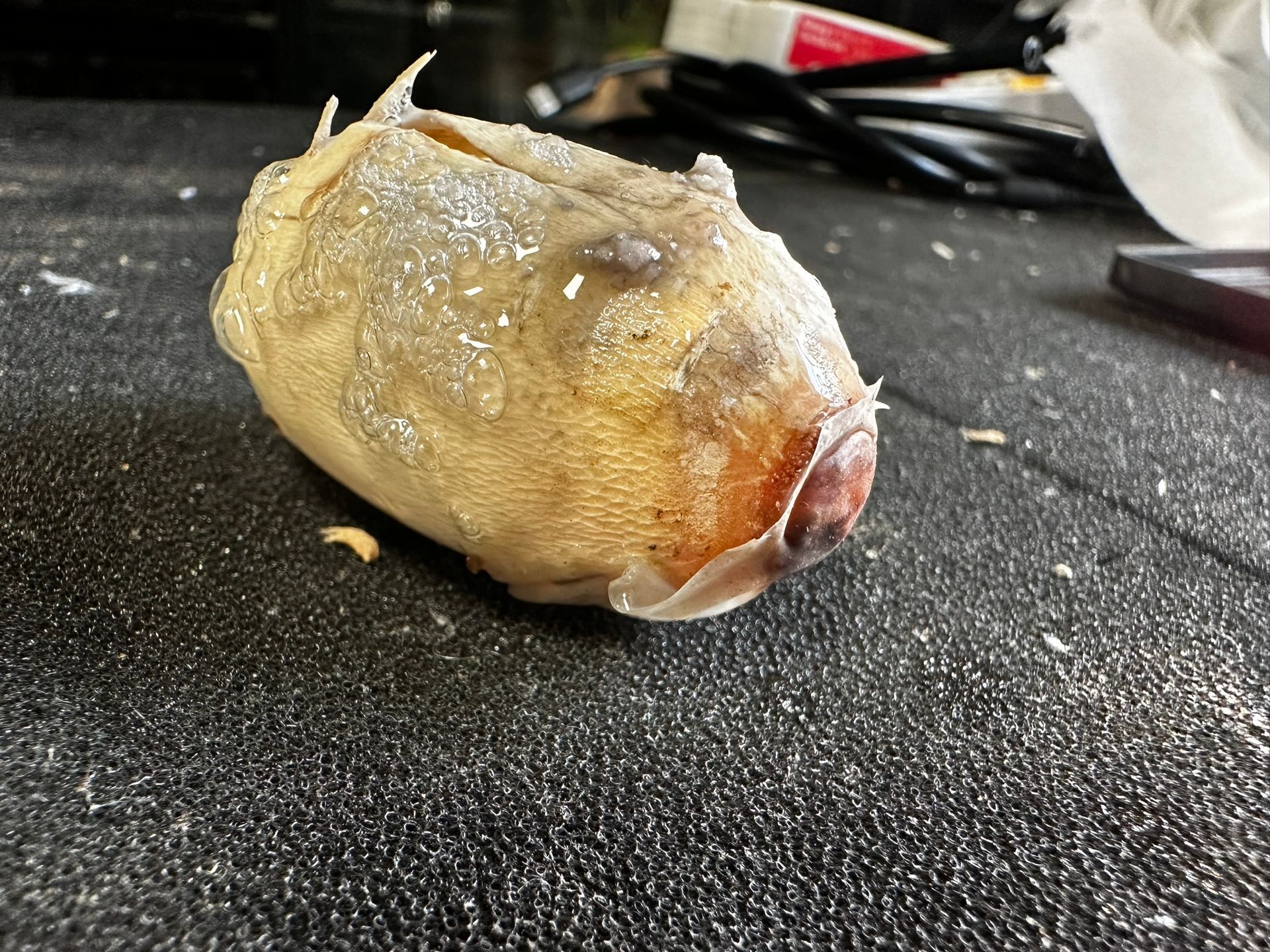
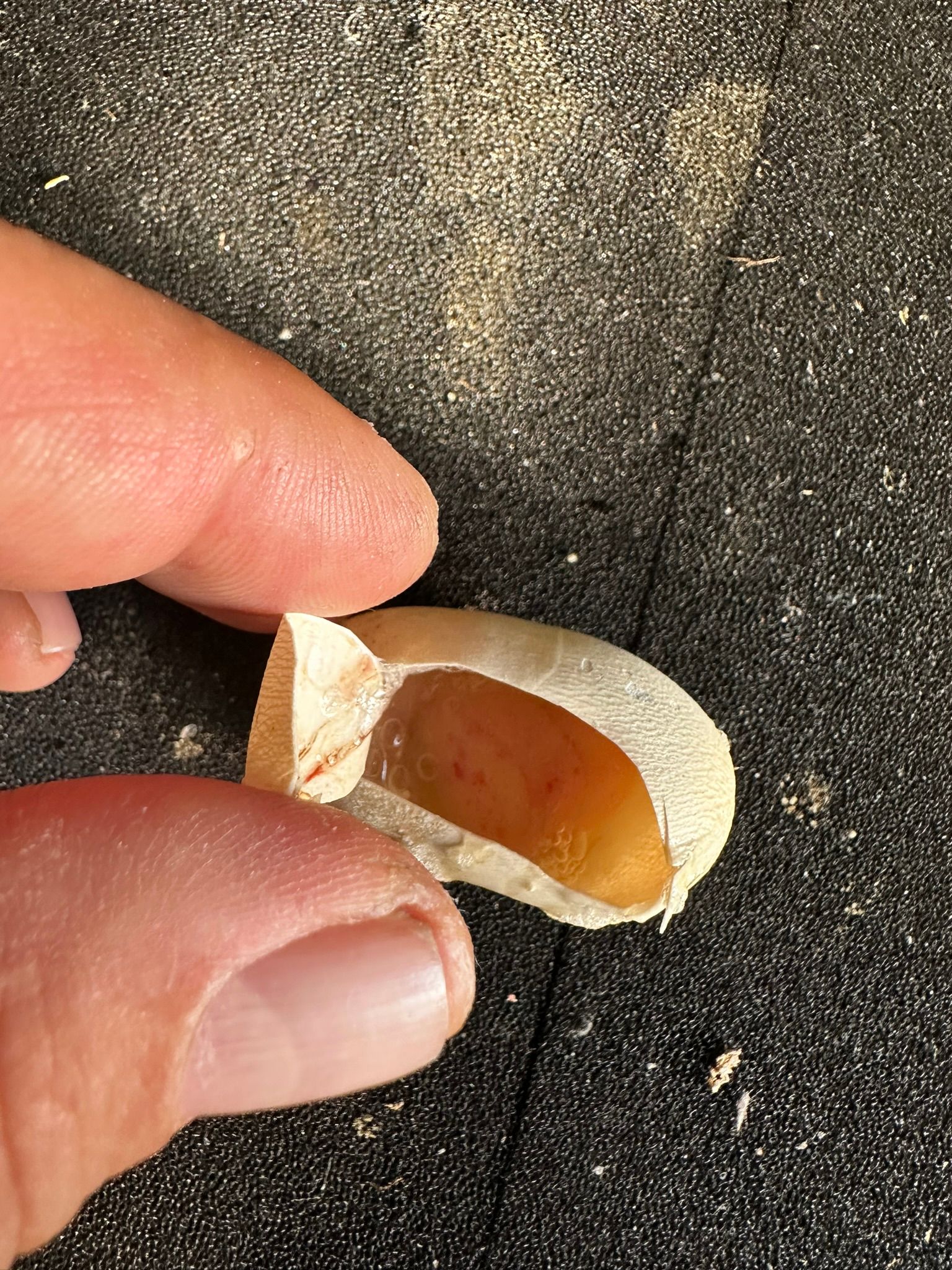
- Day 93: One severely collapsed egg was manually opened. The hatchling was alive but noticeably less pigmented.
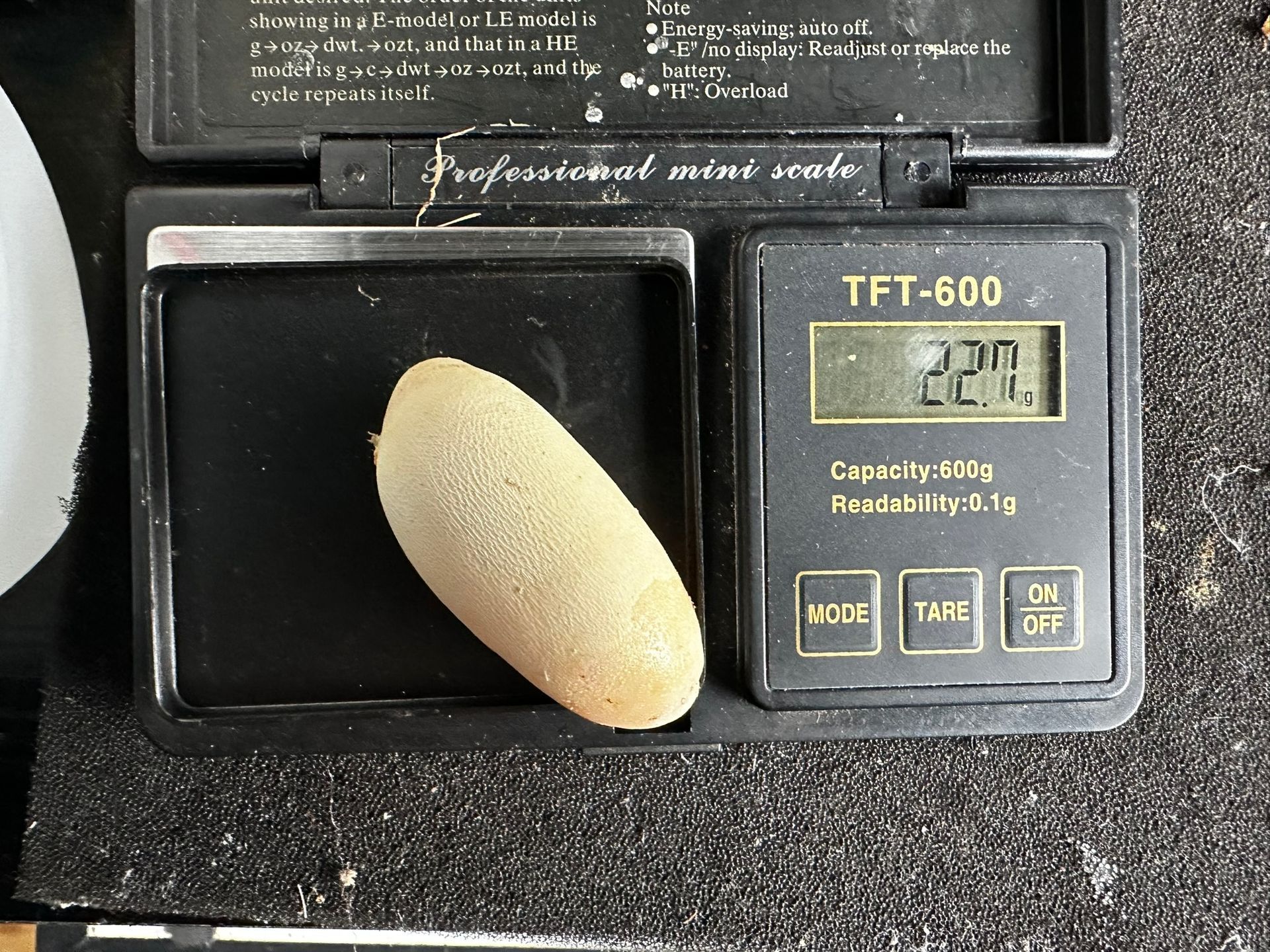
- Evening of Day 93: Another hatchling emerged naturally; approximately
17 g, with the yolk sac completely absorbed.
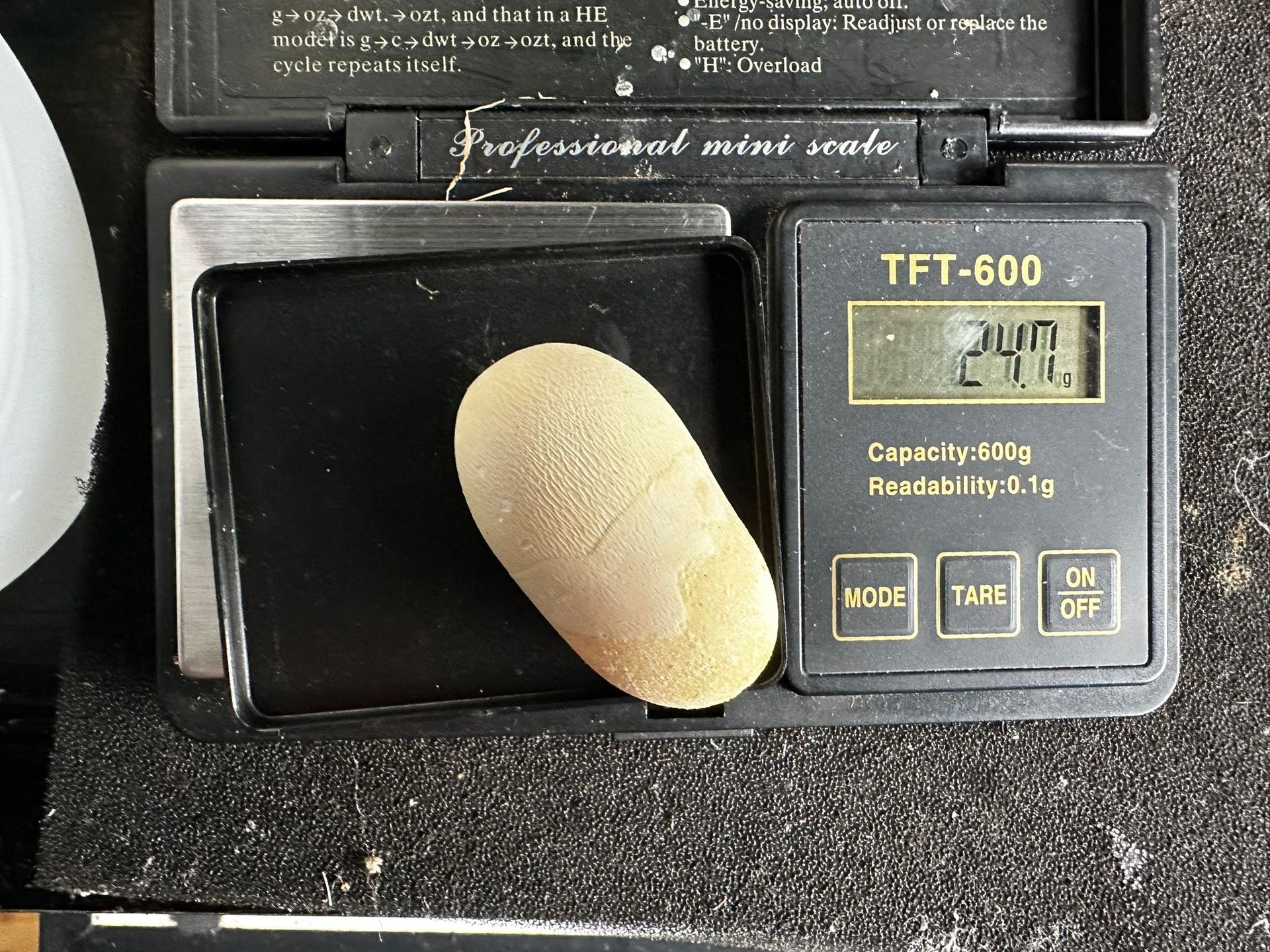
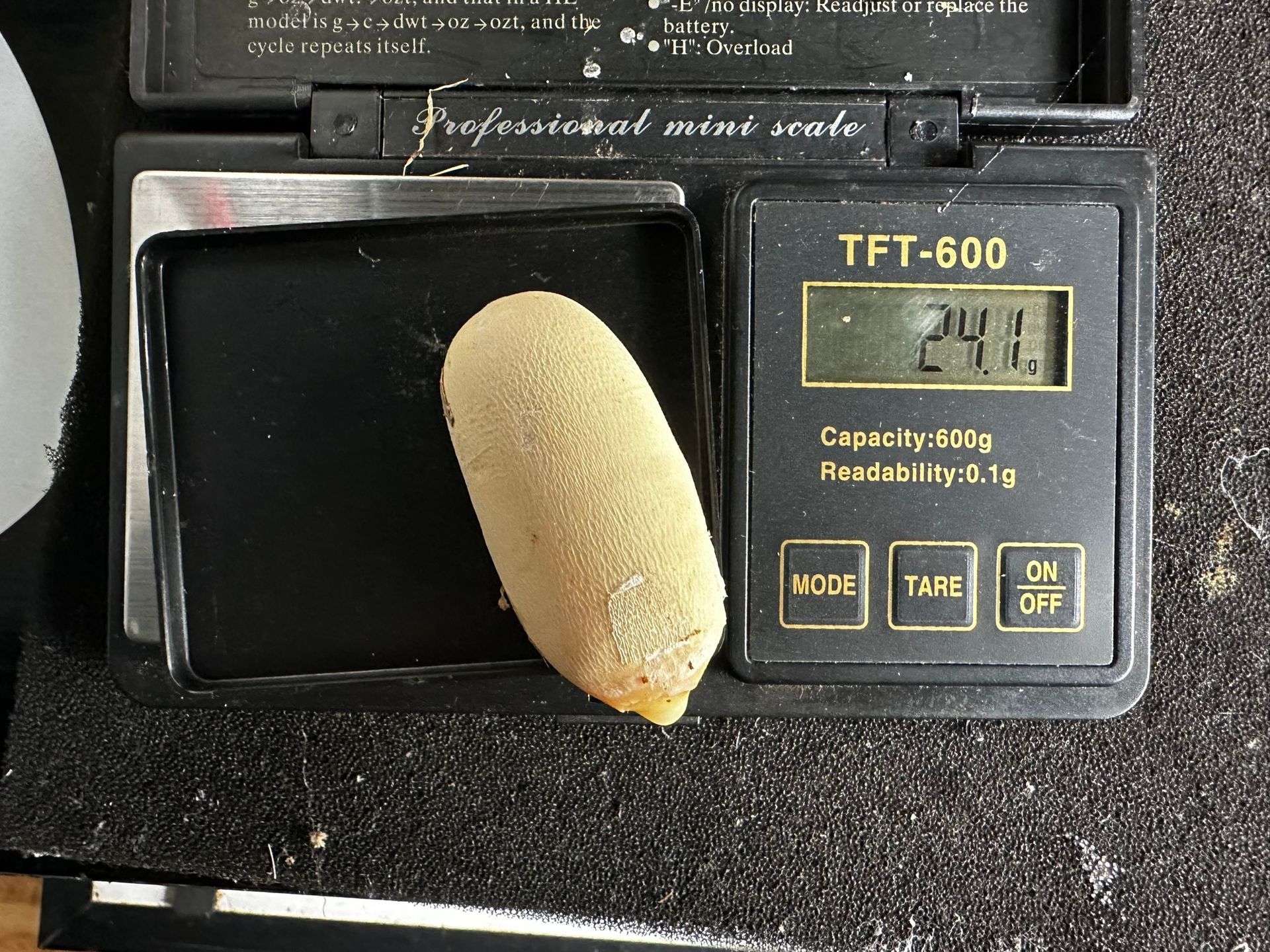
- Day 94: Two additional hatchlings emerged.
- Day 96: The manually assisted hatchling emerged after three more days; approximately
7.5 g.
- Day 96: The final hatchling emerged; approximately
13.5 g.
Hatchling Behaviour
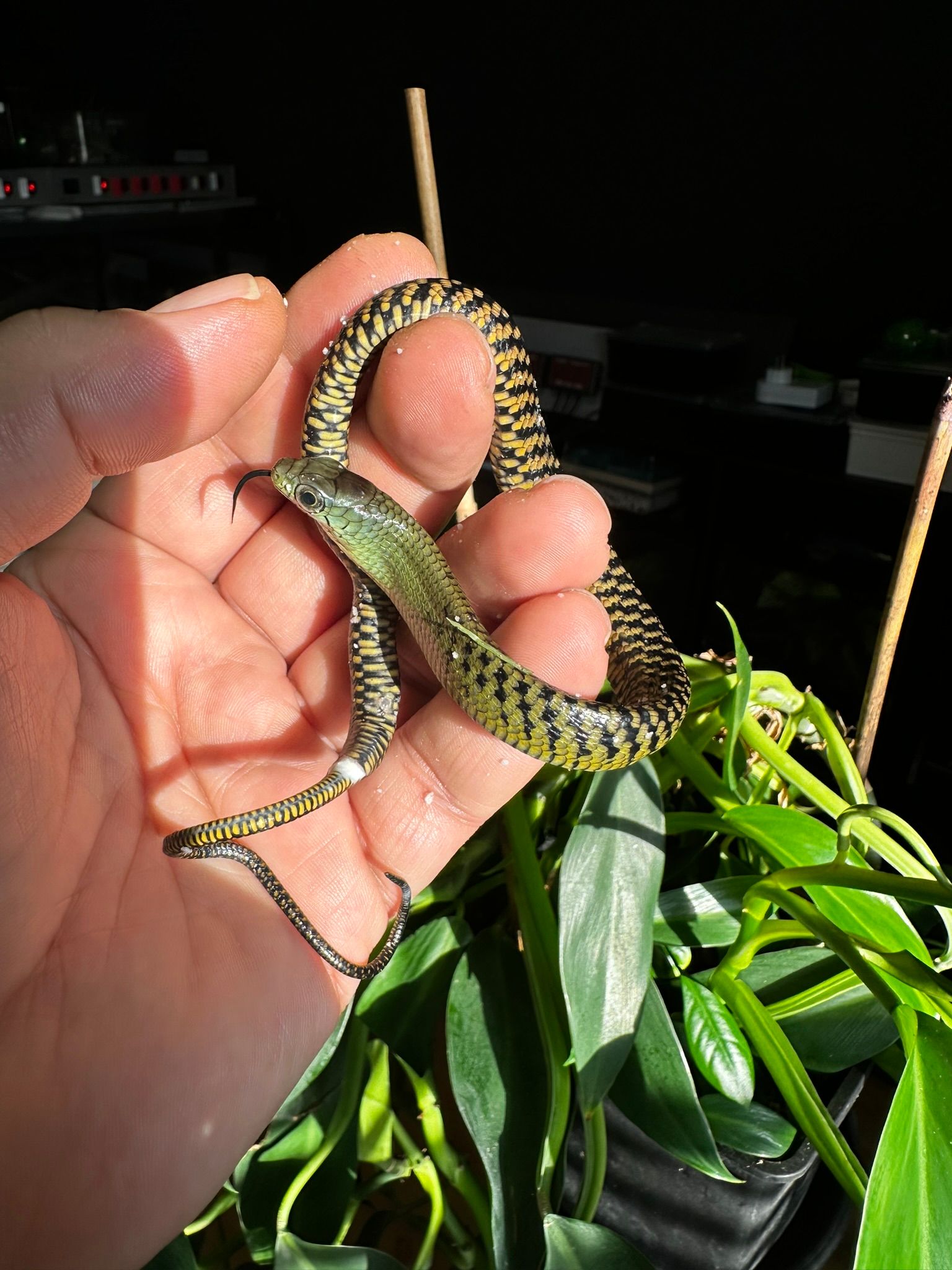
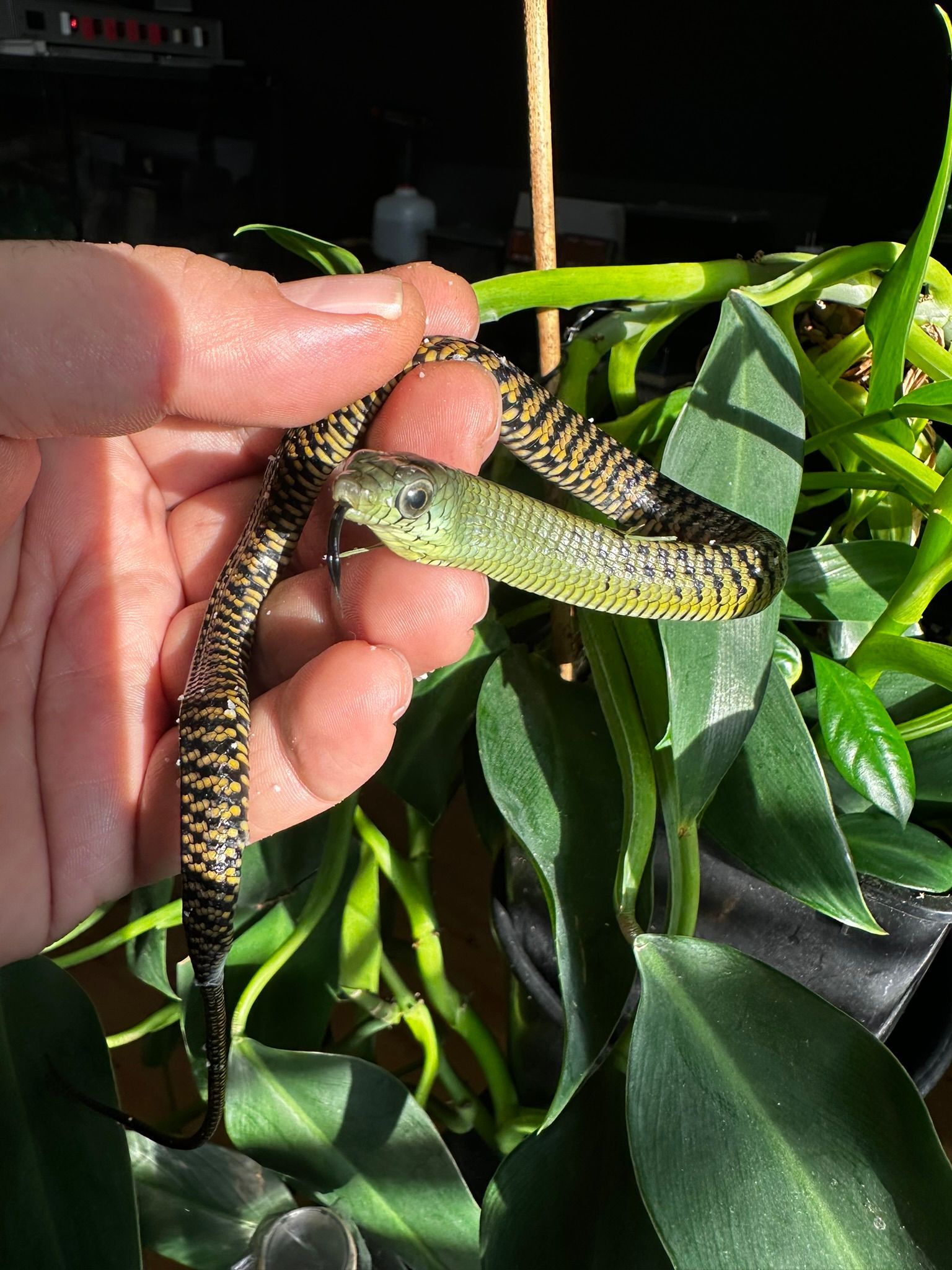
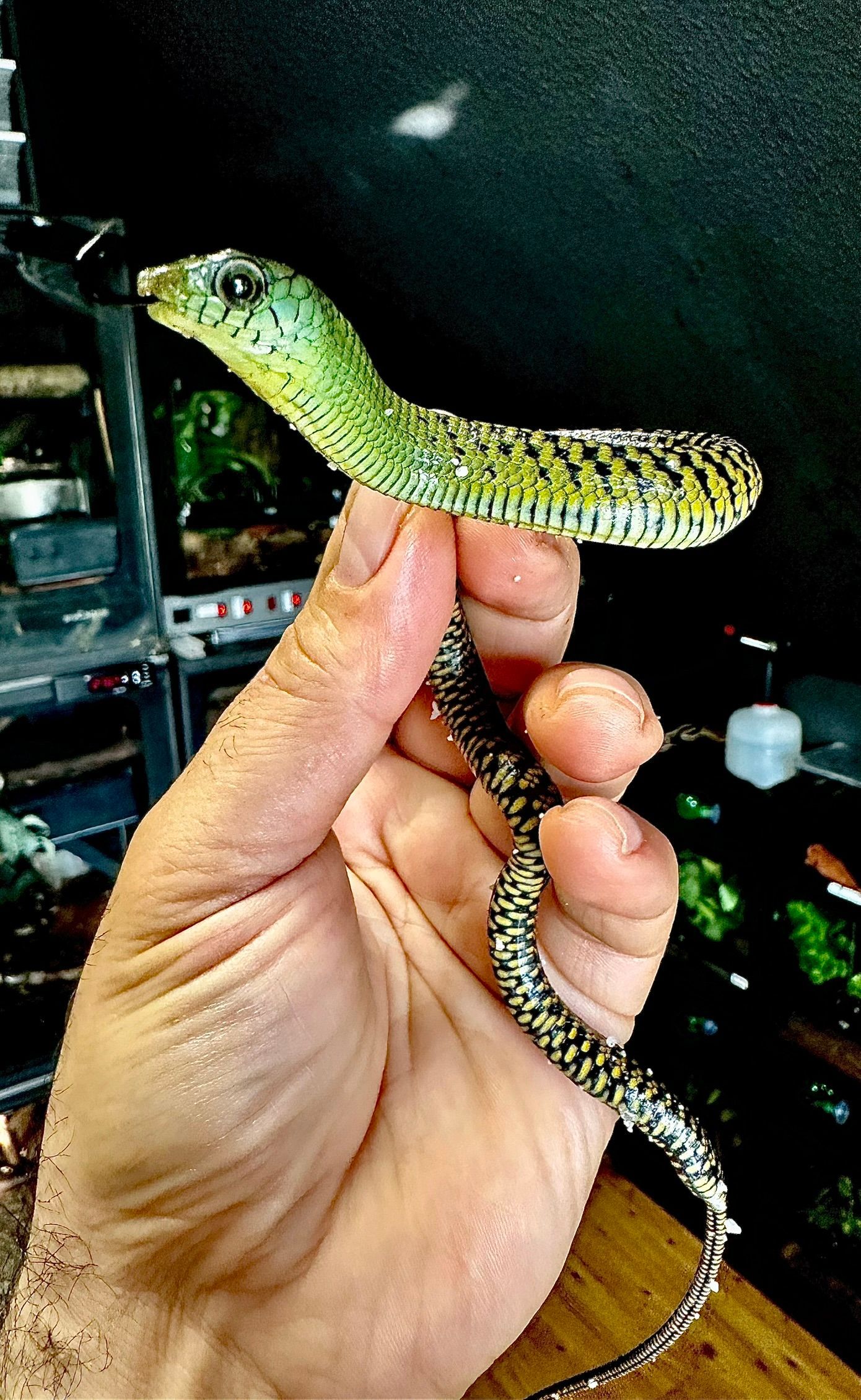
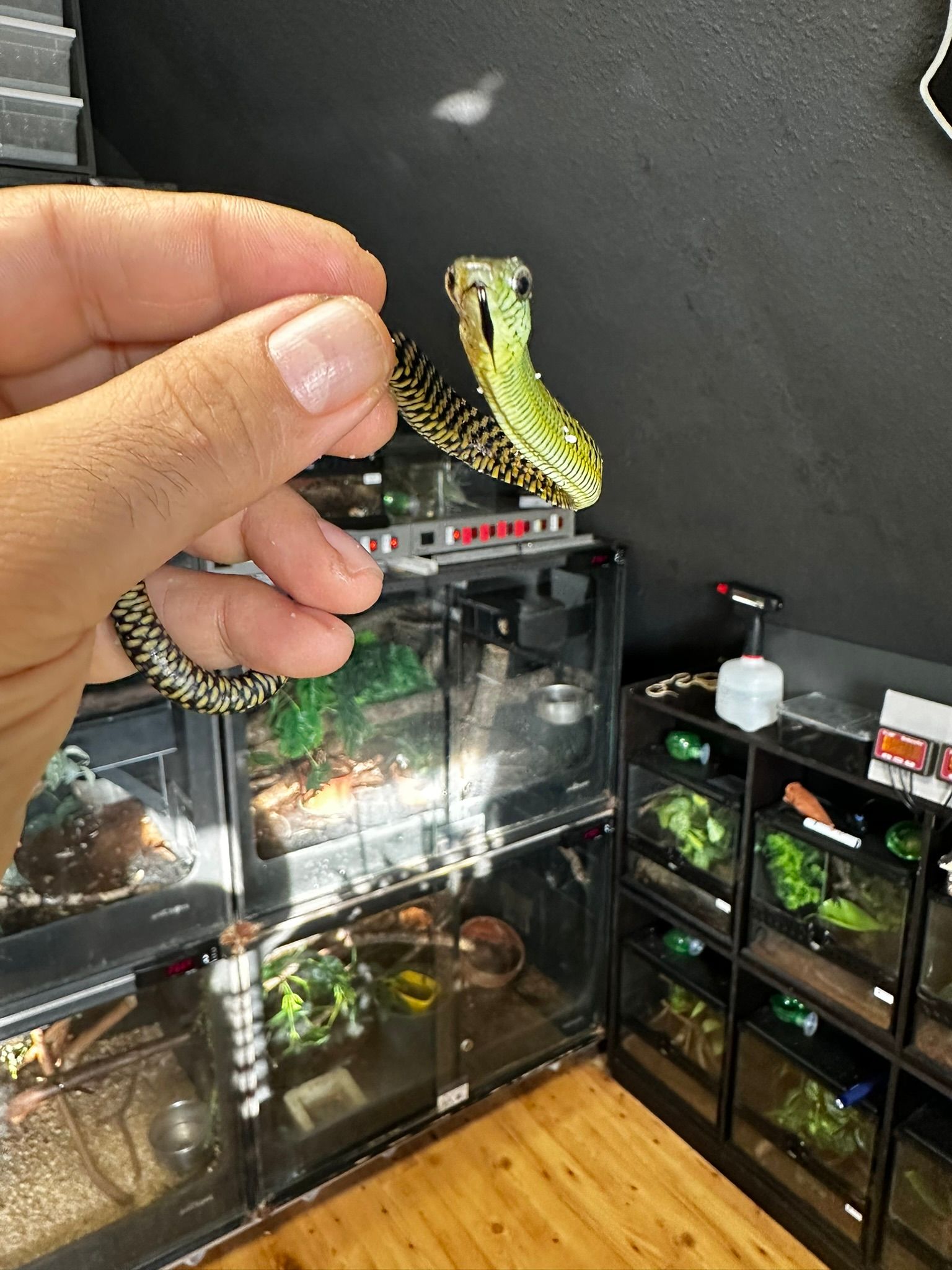
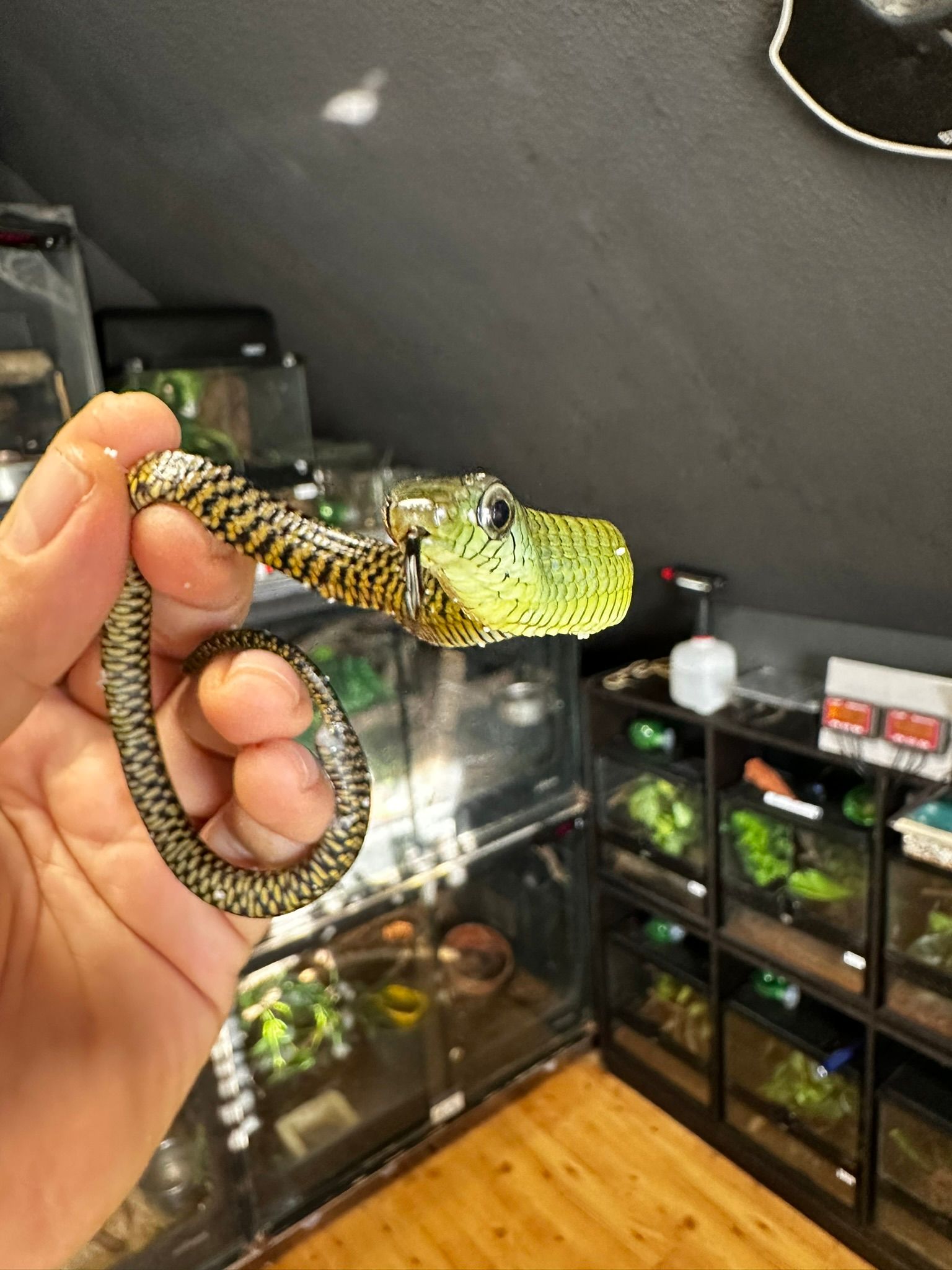
The hatchlings appeared healthy and well developed. They were alert, curious, and displayed a slightly defensive temperament while actively exploring their surroundings.
Several observations during incubation and hatching were particularly noteworthy:
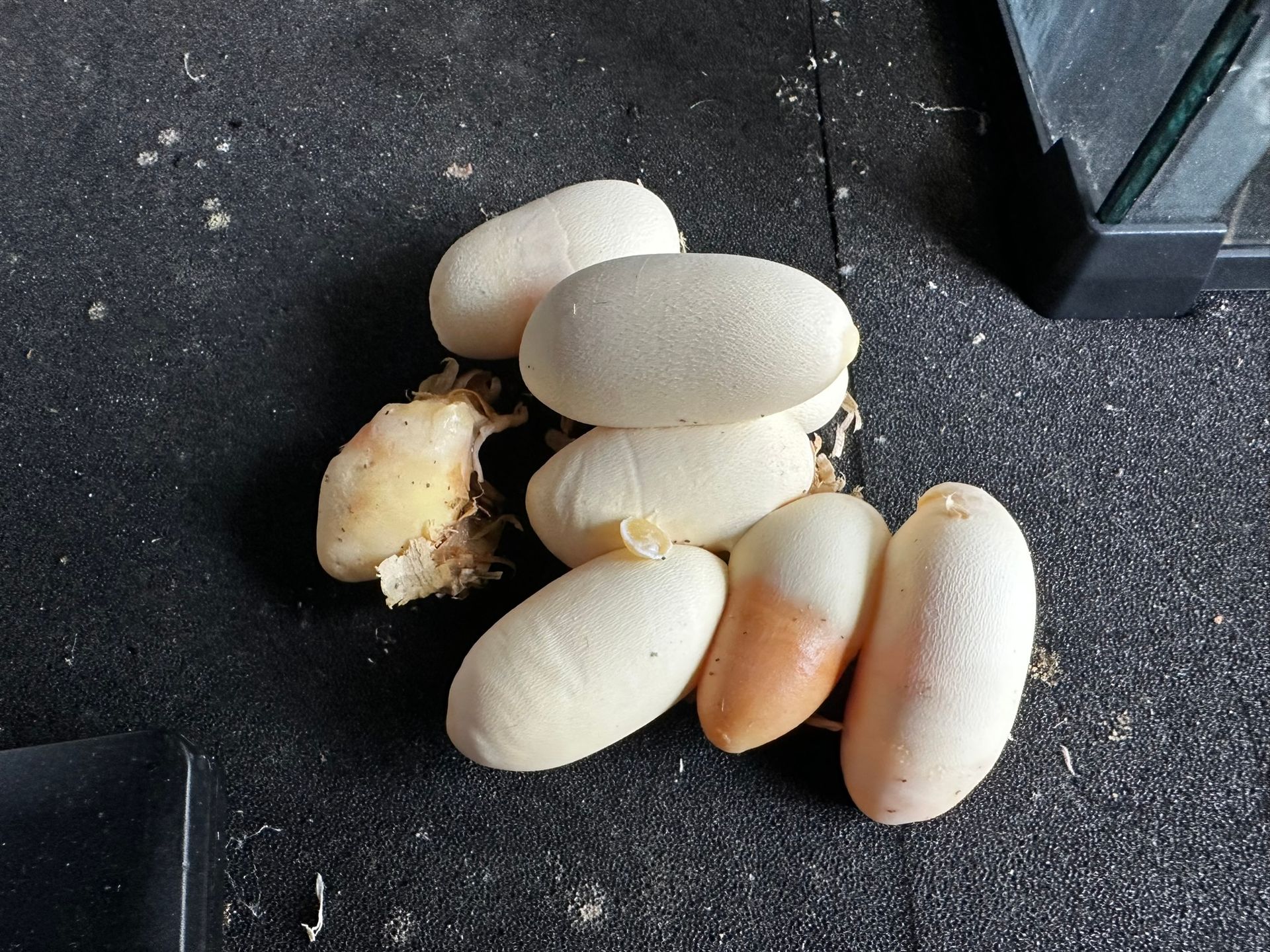
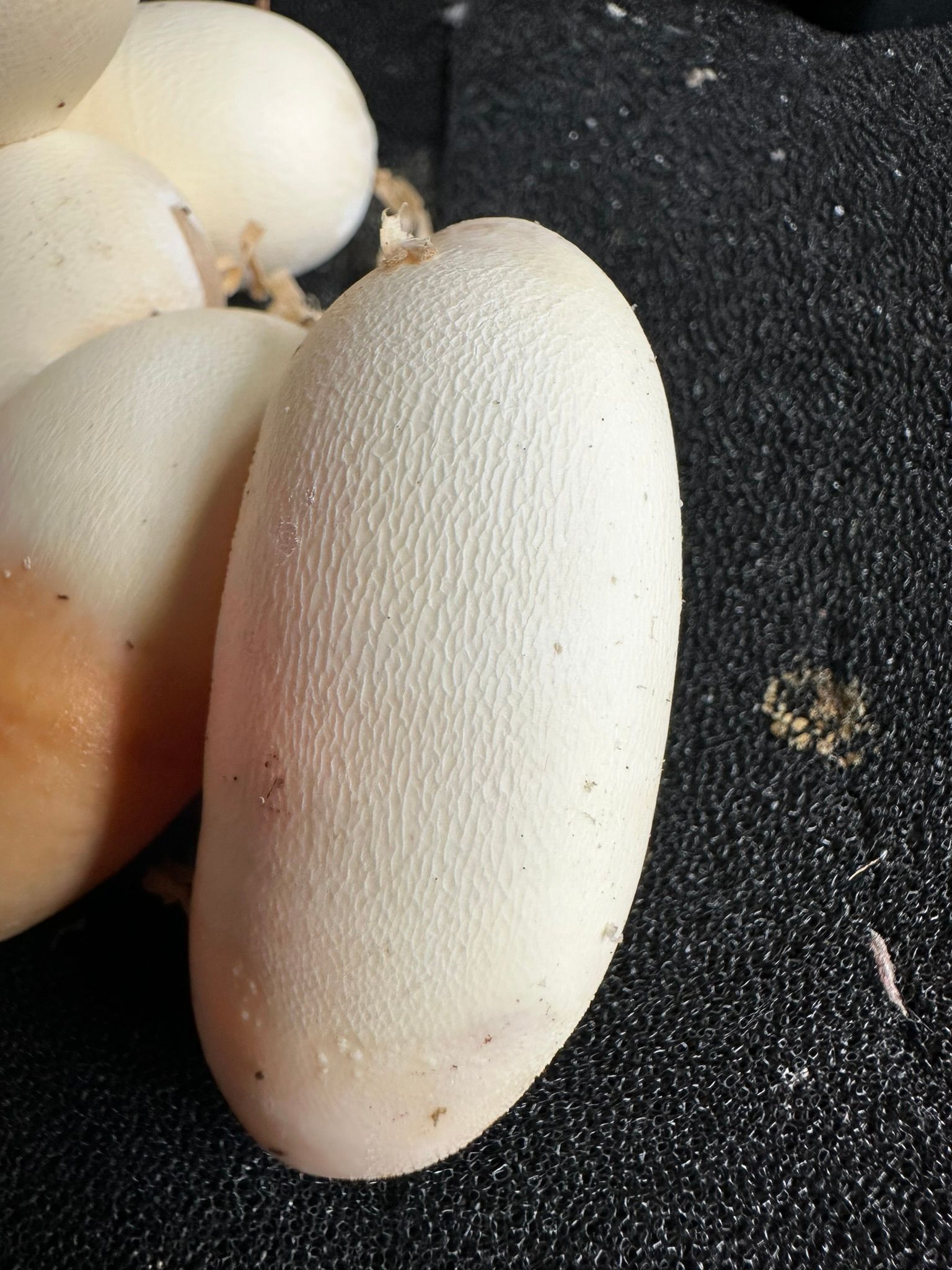
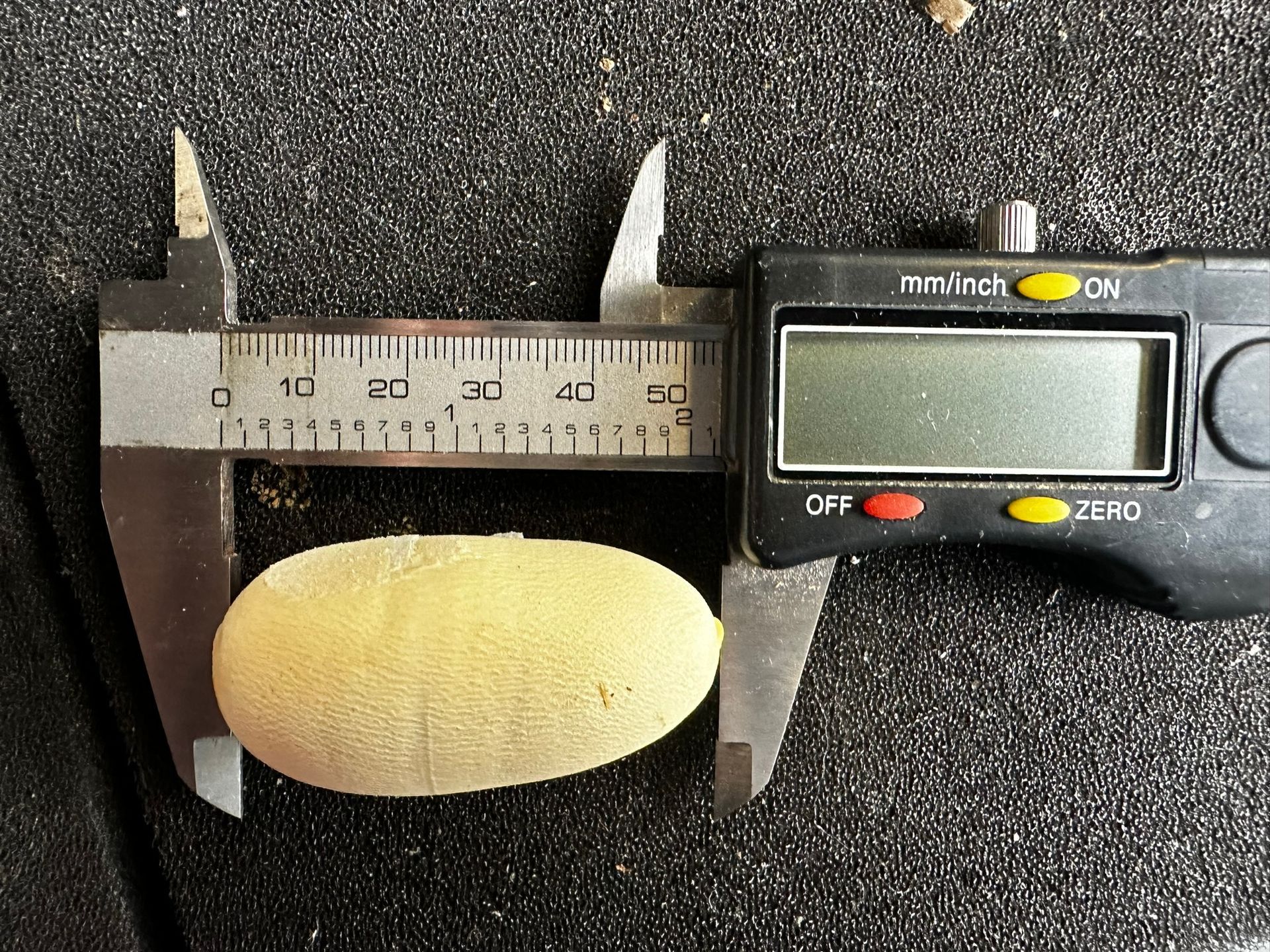
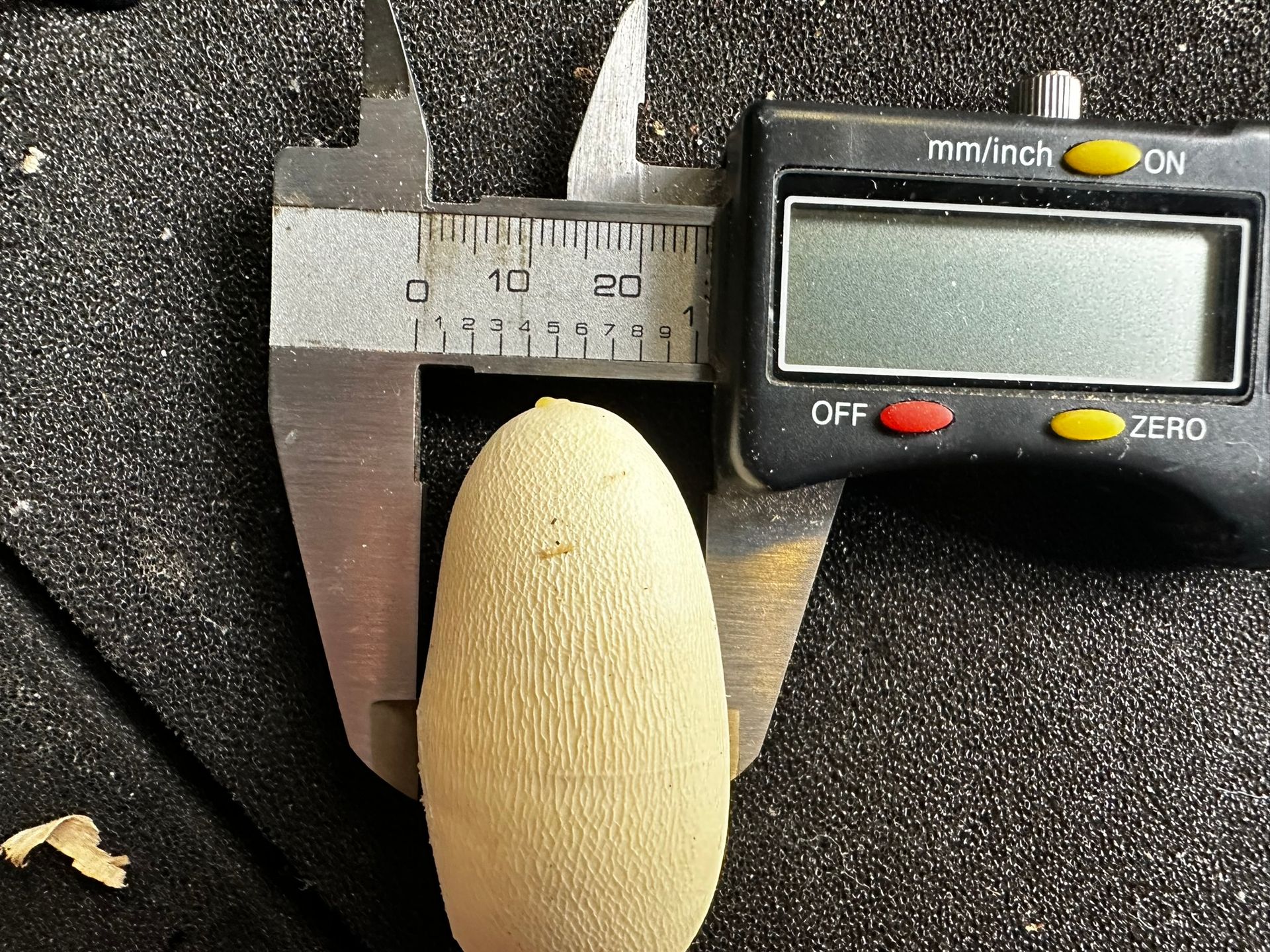
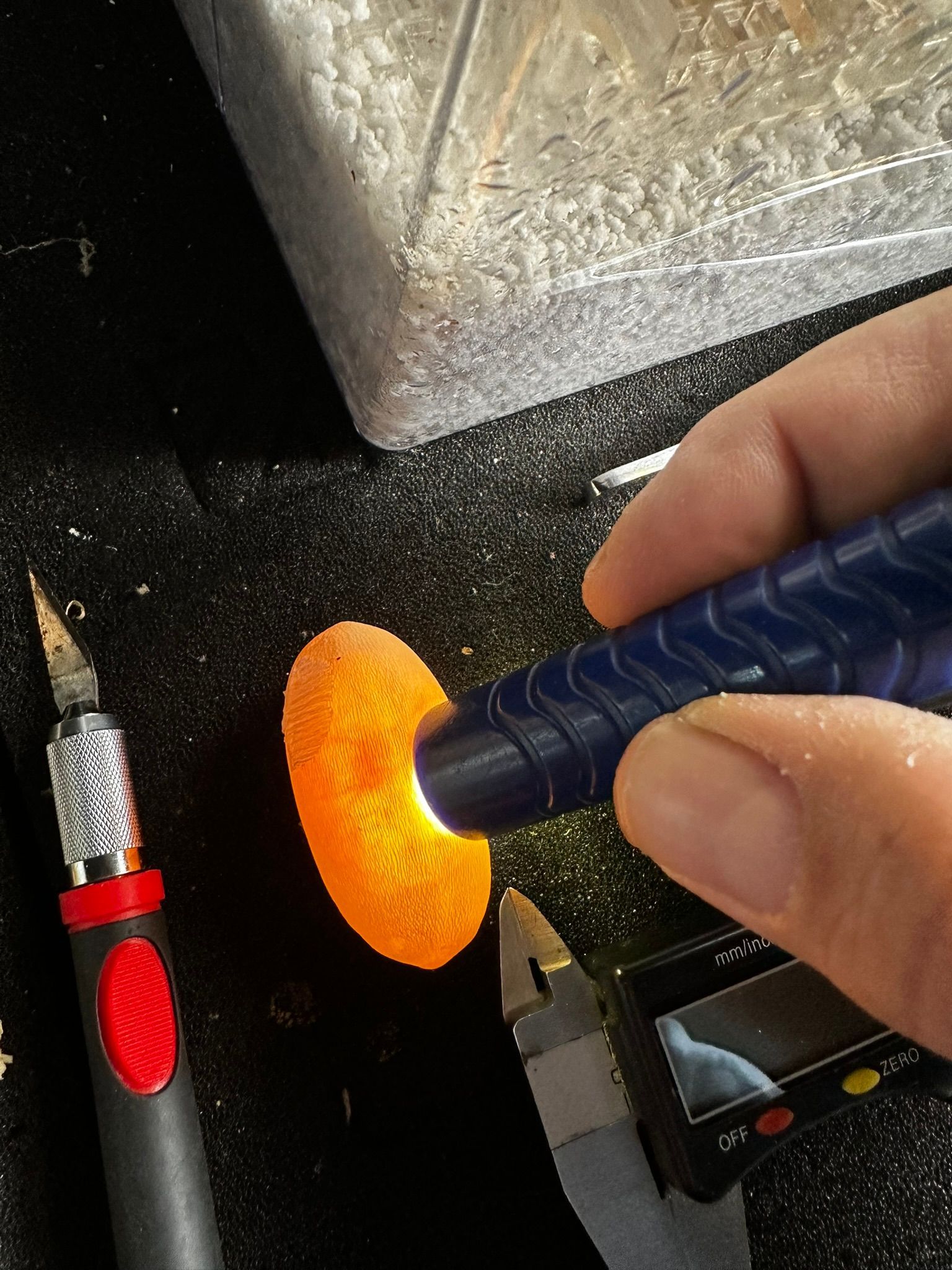
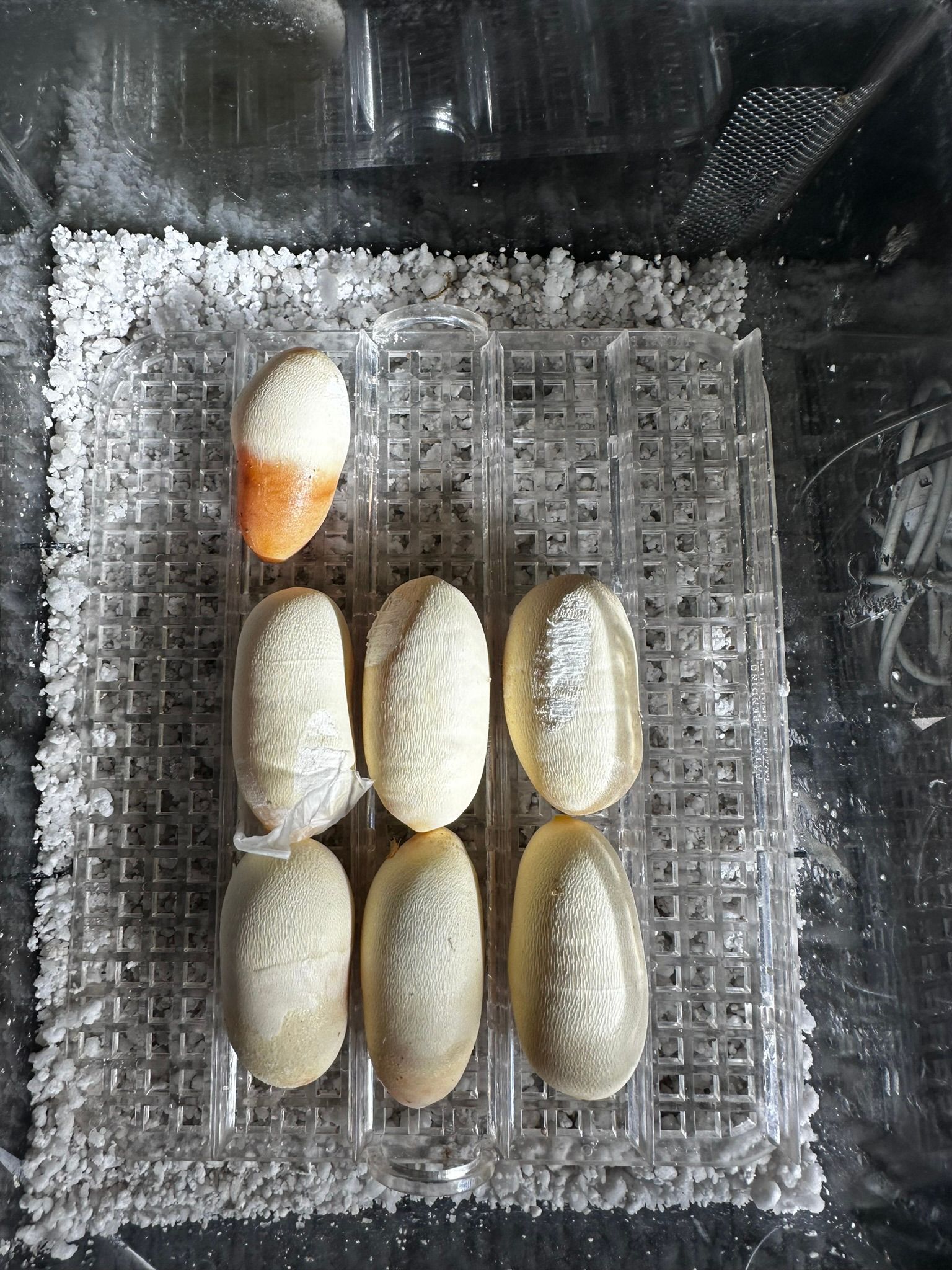
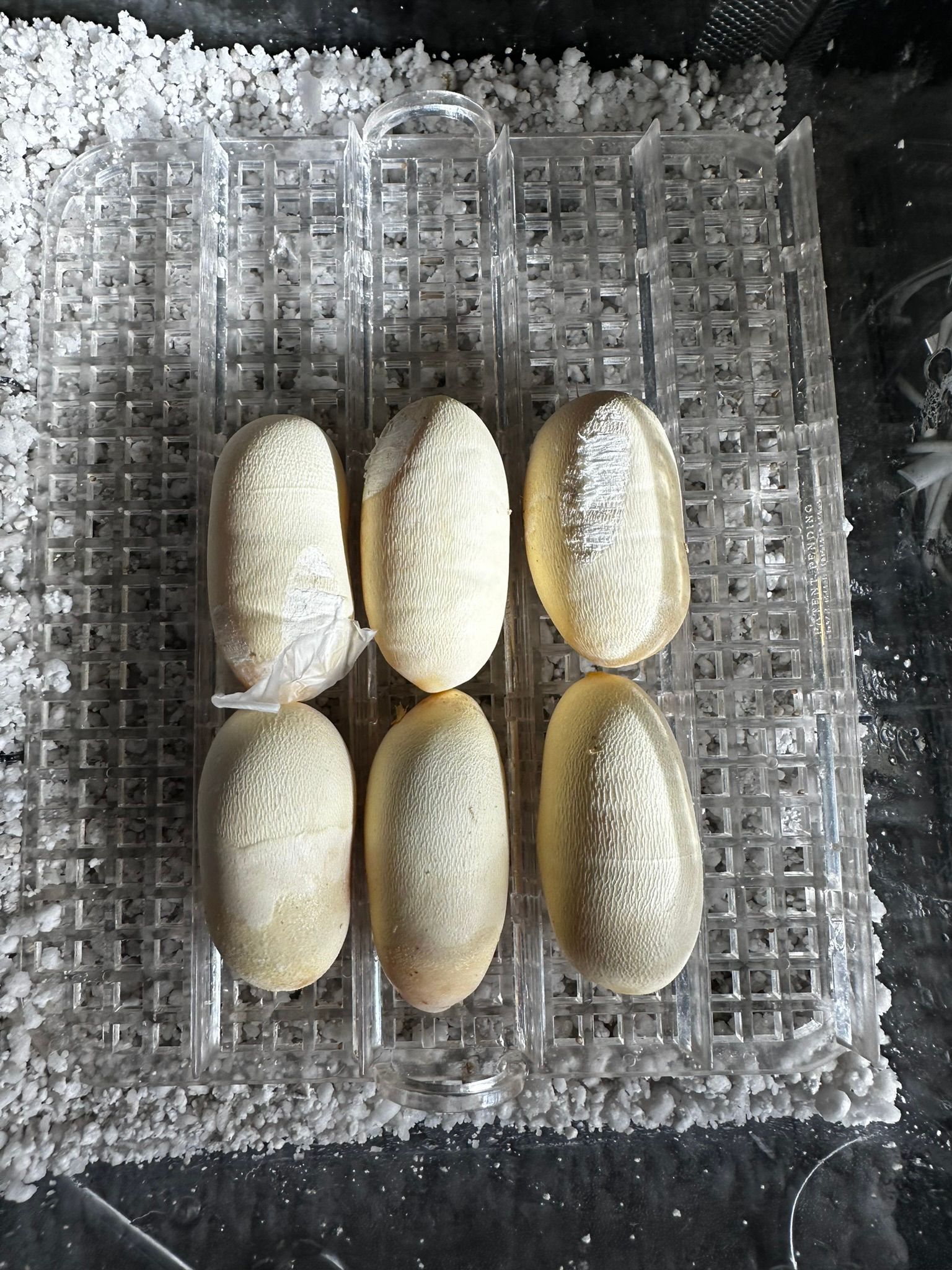
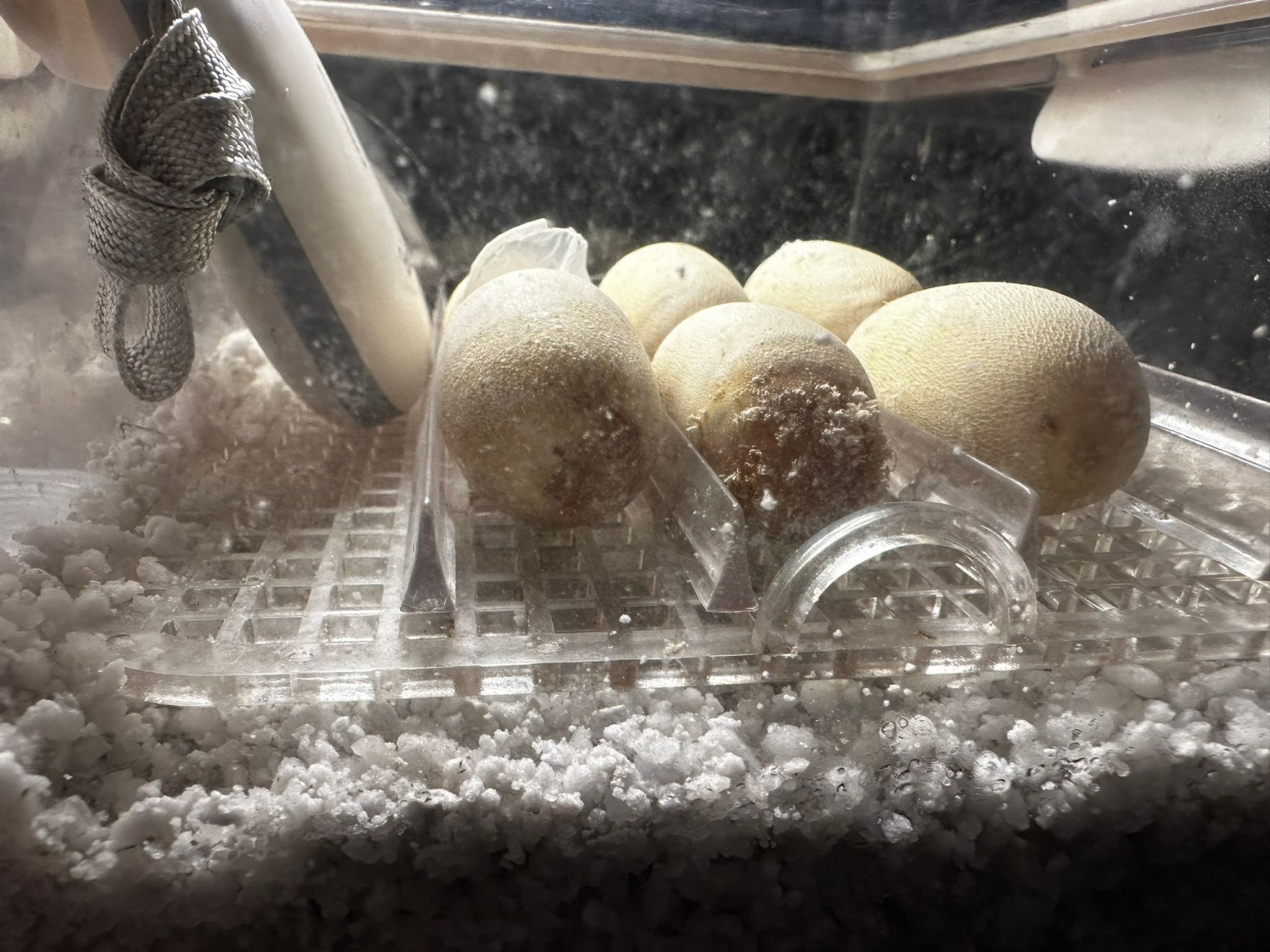
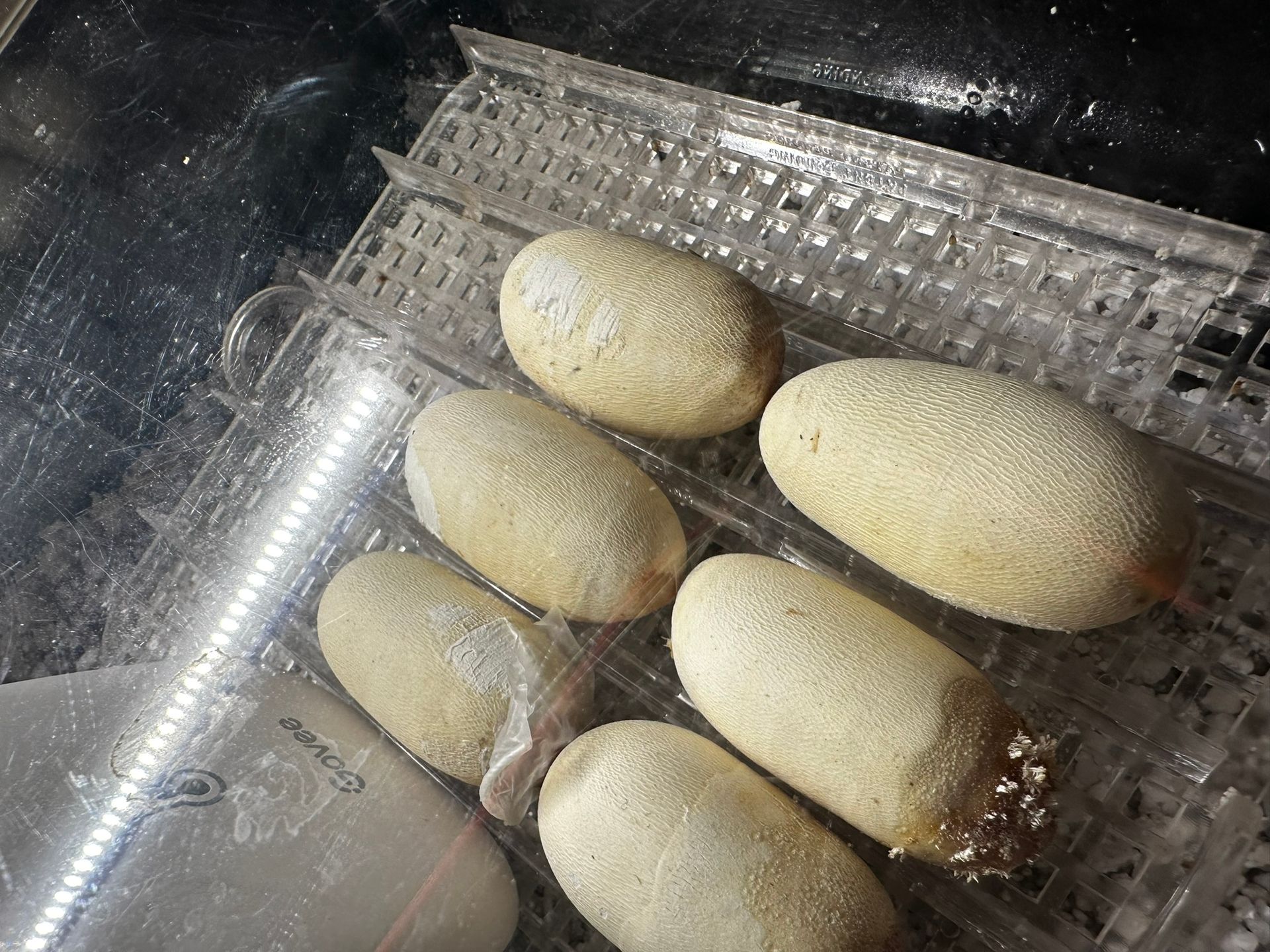
- A considerable increase in egg volume during incubation.
- A large amount of egg fluid present at hatching.
- The pipping slit almost always extended longitudinally from one pole of the egg to the other.
Like the adults, the hatchlings were housed individually in small terrariums.
Approximately
10–12 days after hatching, immediately following their
first shed, they accepted their first meals.
Suitable prey included:
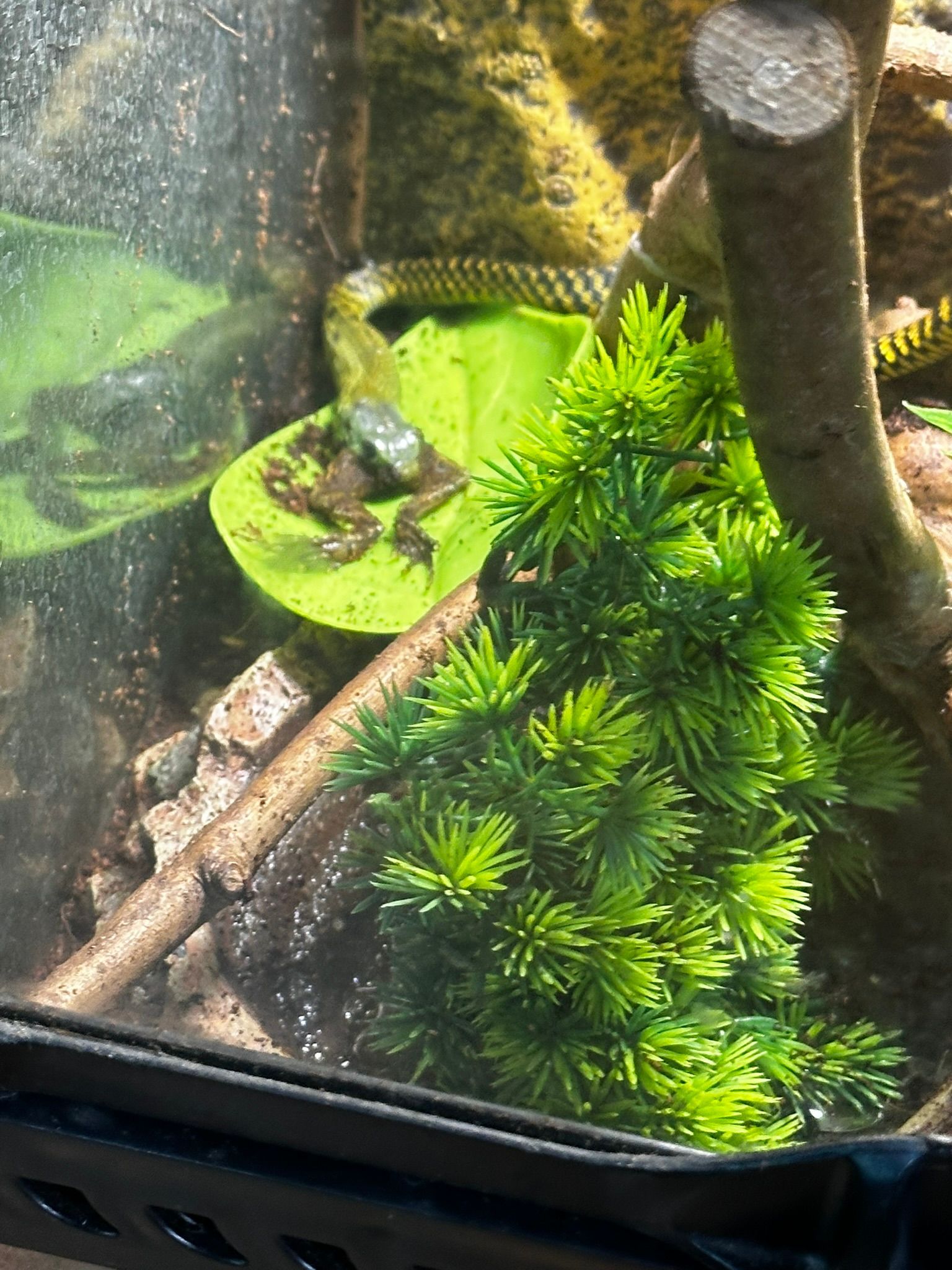
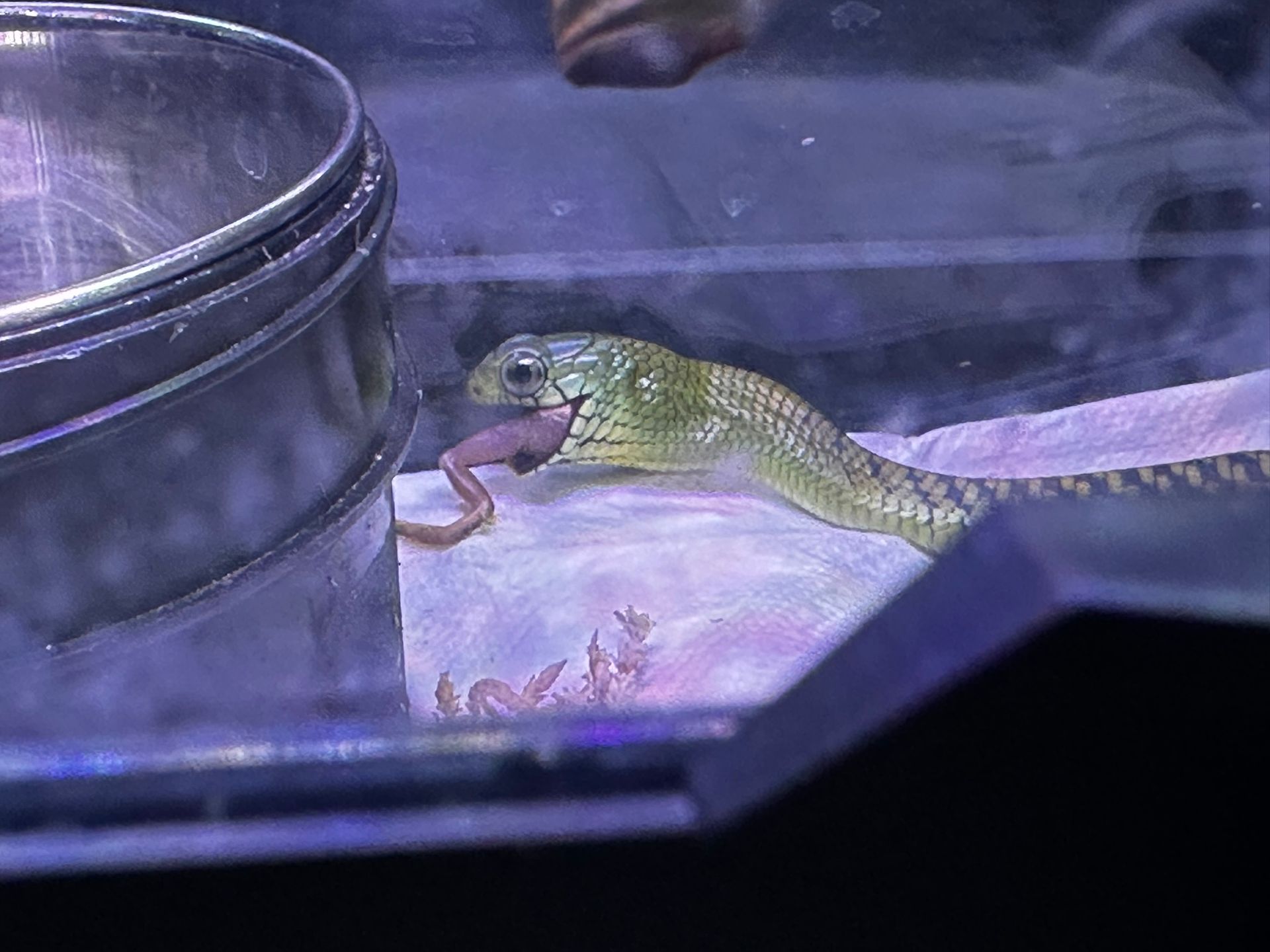
- live lizards,
- live frogs,
- and, in two individuals, pieces of chicken heart.
Attempts to feed rodents, fish, and pieces of frog tissue were unsuccessful.
At approximately
eight months of age, the juveniles gradually began accepting rodent prey.
Summary
- Temperature:
21–32°C (70–90°F); reduced to
21–27°C (70–81°F) to stimulate breeding
- Relative humidity: Generally low, with
one to two misting sessions per week
- Copulations observed:
4 Nov, 11 Nov, 23 Nov 2024, and 21 Feb 2025
- Pre-laying shed (PLS):
7 April 2025 (47 days after the final copulation)
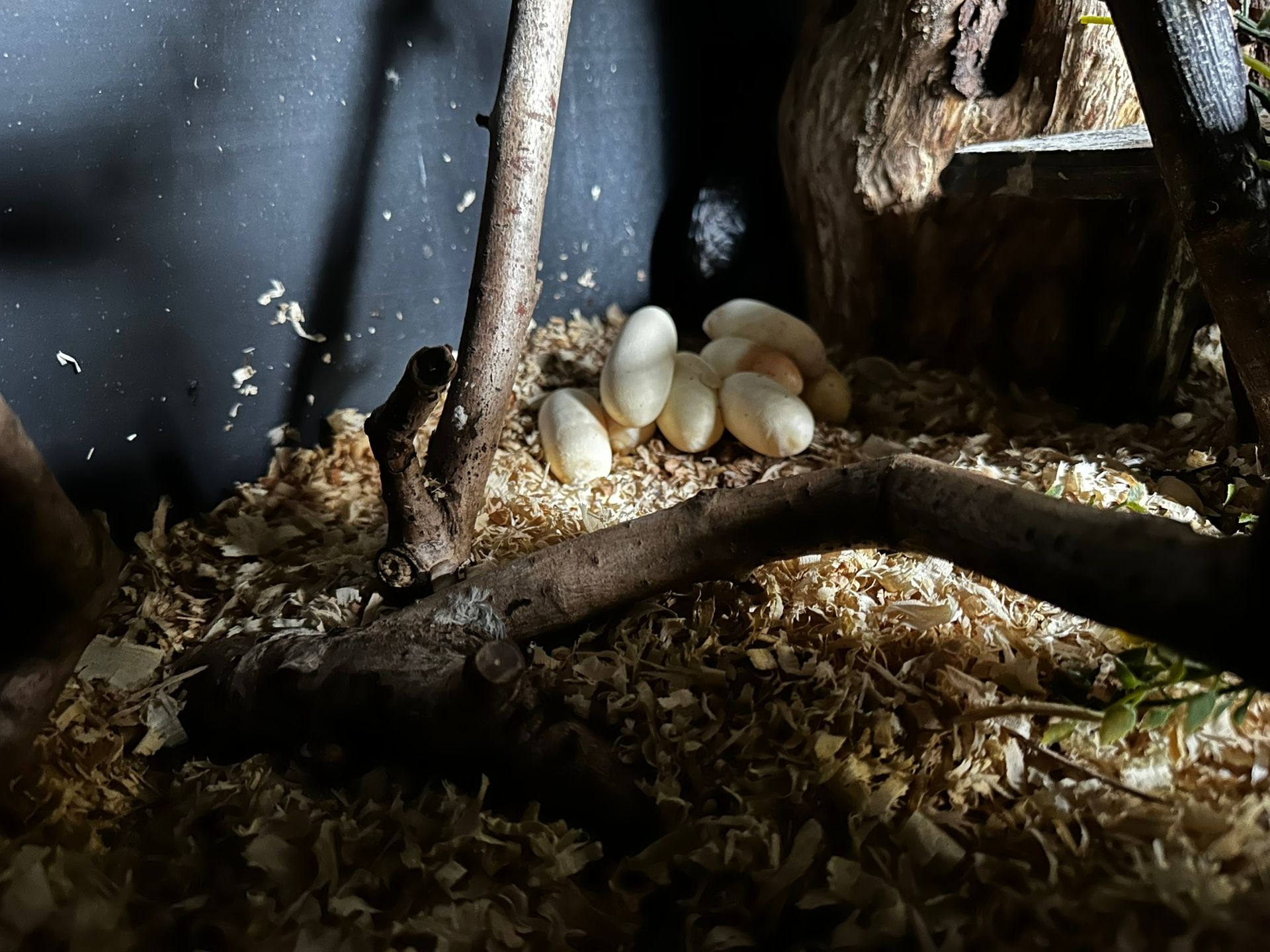
- Oviposition:
20 April 2025 (59 days after the final copulation; 13 days after the PLS)
- Incubation period:
91–96 days
- Incubator settings:
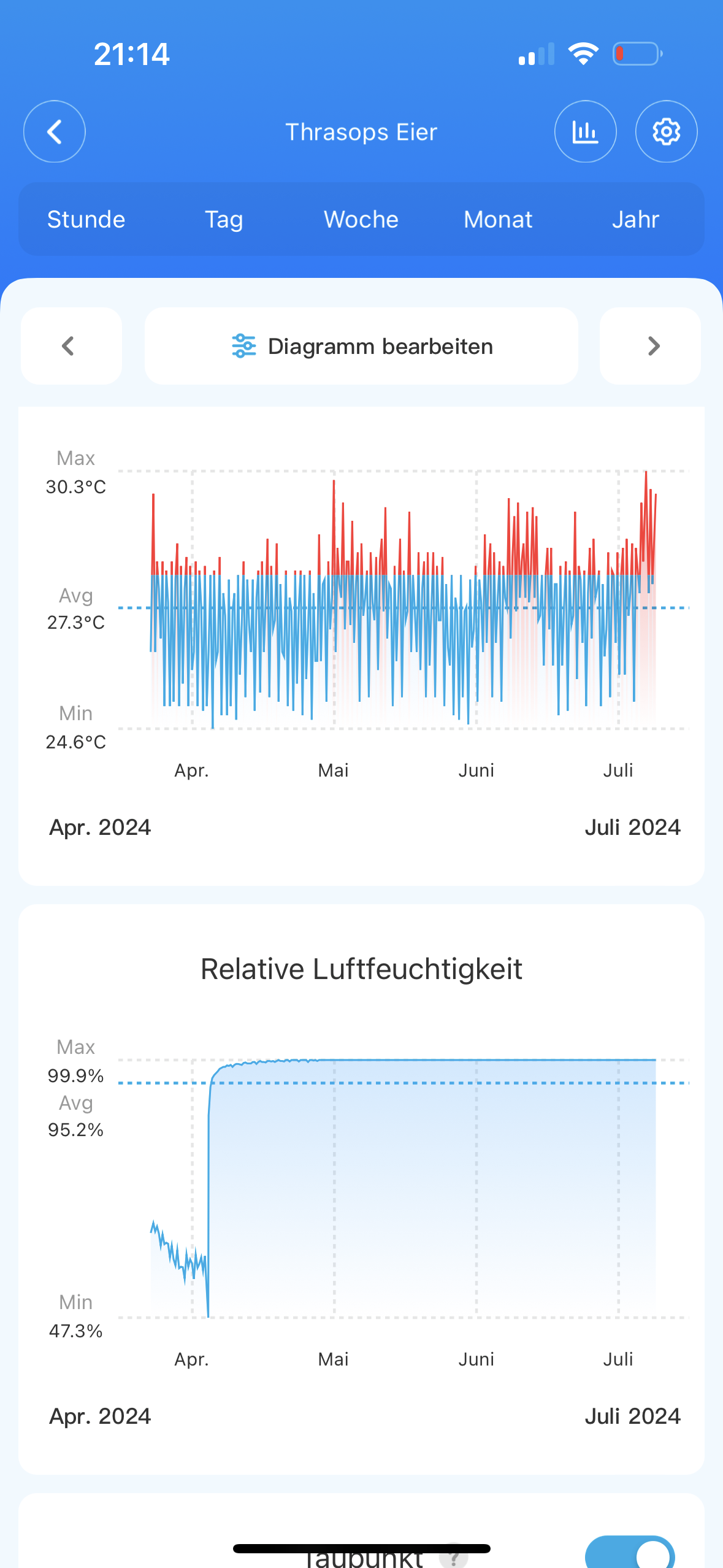
28.0°C / 24.5°C (day/night); actual temperatures ranged from
24.5°C to 30.3°C (76.1–86.5°F)
- Incubation setup: Perlite with a Squamata egg-support grid
Personal Observations
According to information available from various online sources, Thrasops occidentalis eggs may hatch in approximately
80 days when incubated at a constant
30°C (86°F).
However, many experienced keepers report using a
day/night temperature cycle, similar to the one employed in this project.
Another interesting observation was that the female deposited her eggs at a relatively cool temperature of
23–24°C (73–75°F), despite having access to considerably warmer areas within the enclosure.
Based on my observations, the actual gestation period and the relationship between individual copulations and fertilization appear to be variable and may not necessarily be attributed to a single mating event.
Environmental factors such as temperature regimes and incubation methods may also influence reproductive timing and embryonic development.
Addendum
During her second reproductive cycle, the female remained in excellent body condition. She continued feeding regularly and displayed normal behaviour throughout most of the gestation period.
On
15 July, she underwent a pre-laying shed shortly before the expected oviposition.
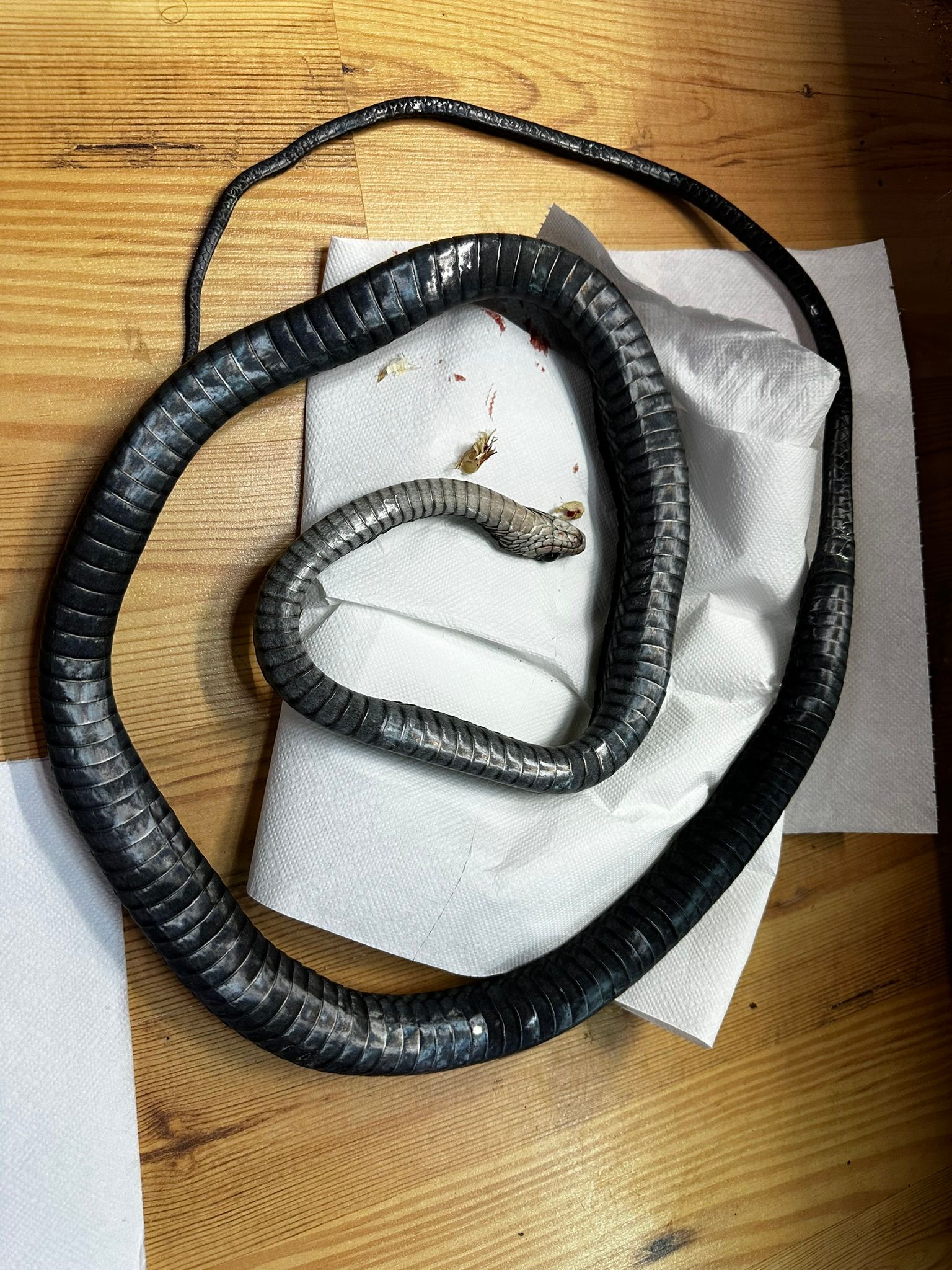
Two days later, however, she was found dead inside the enclosure.
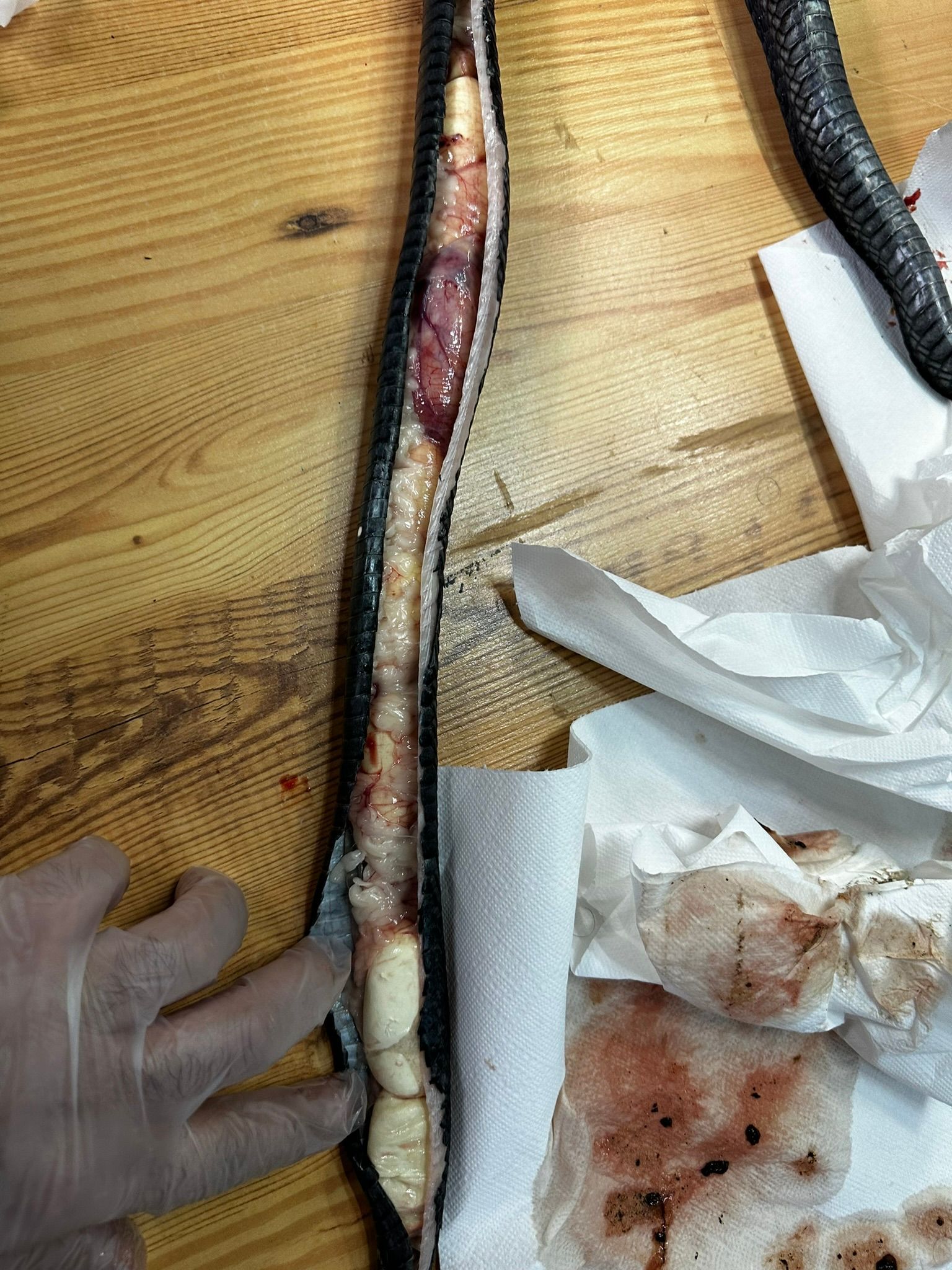
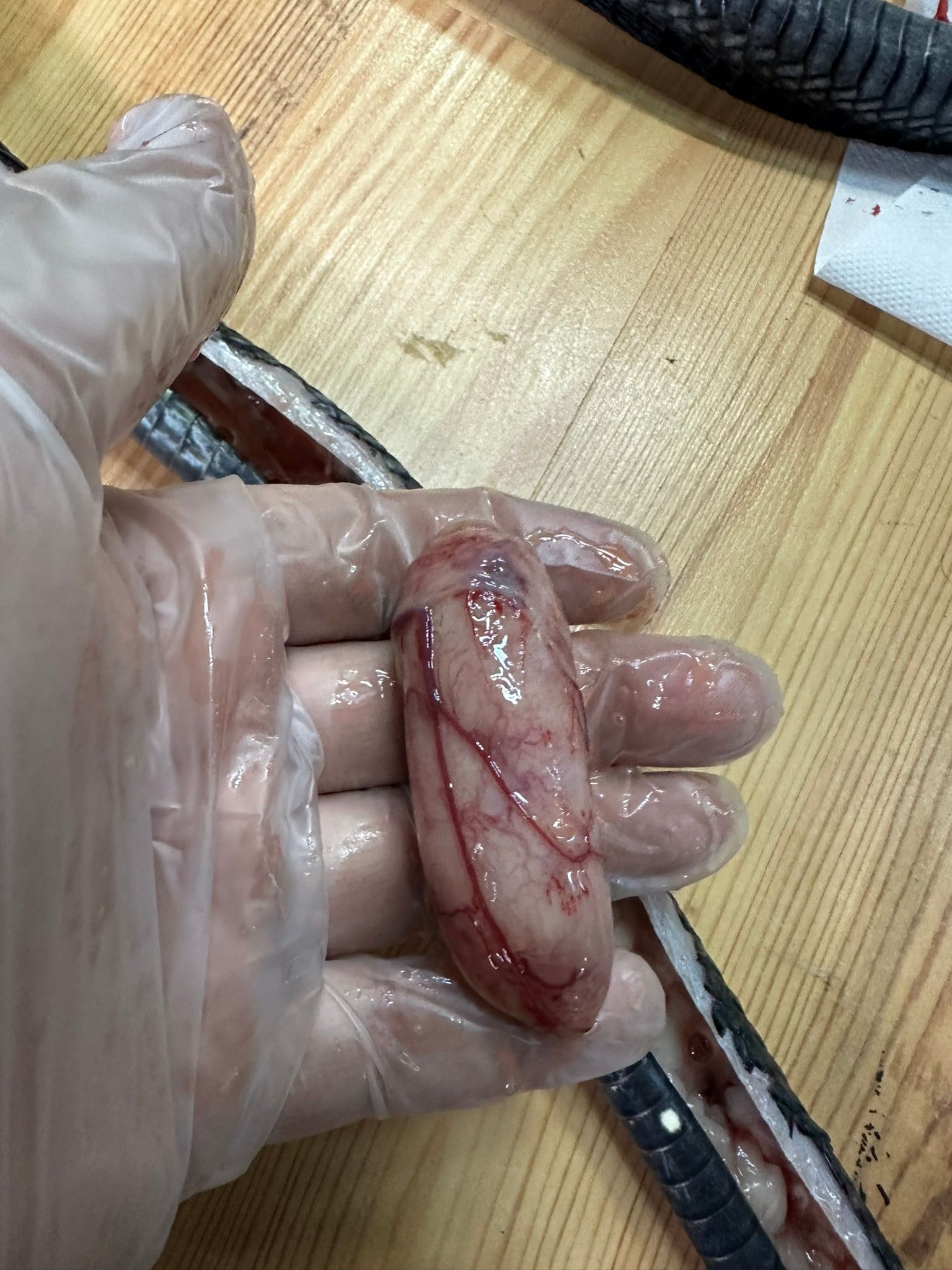
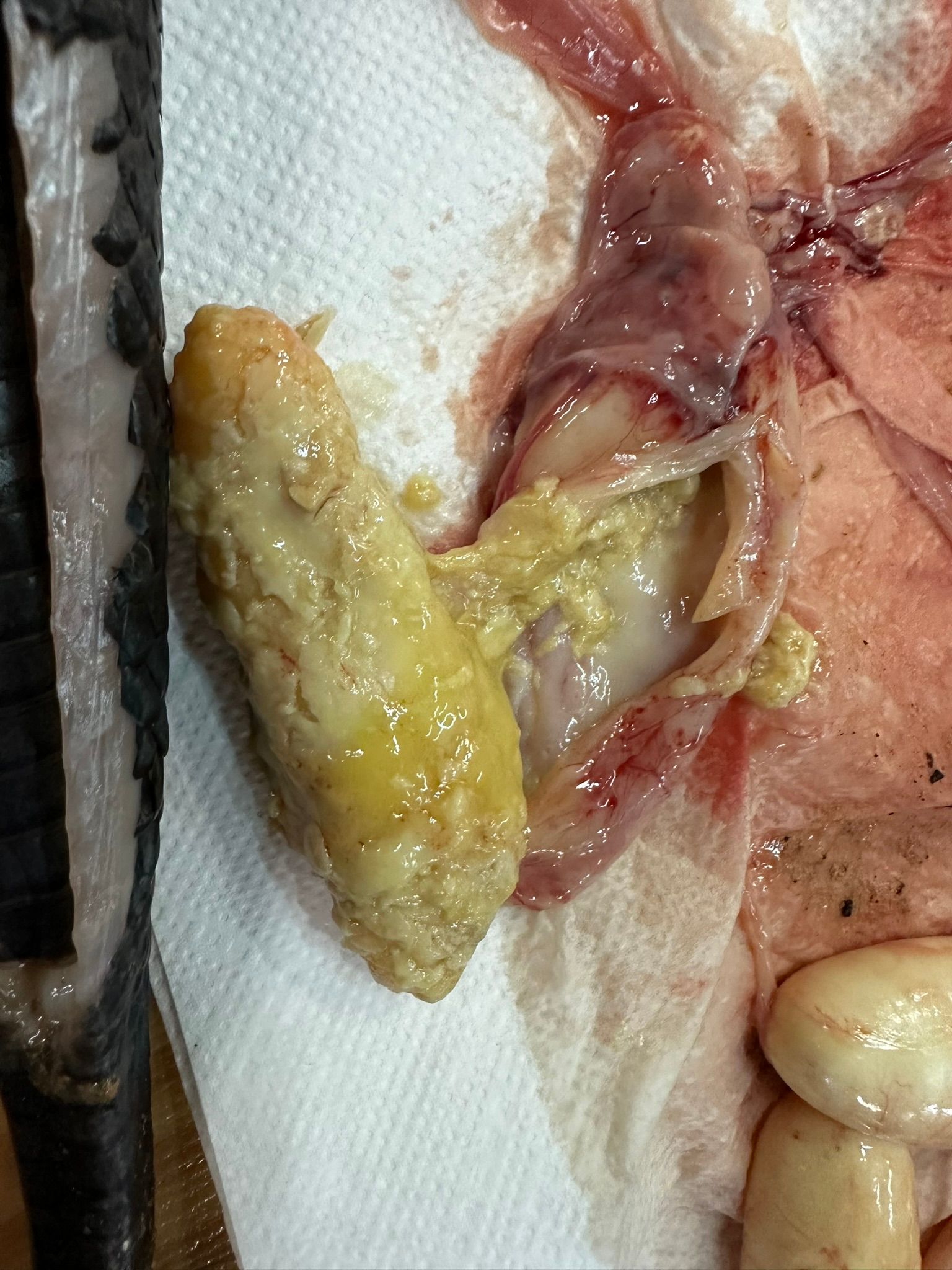
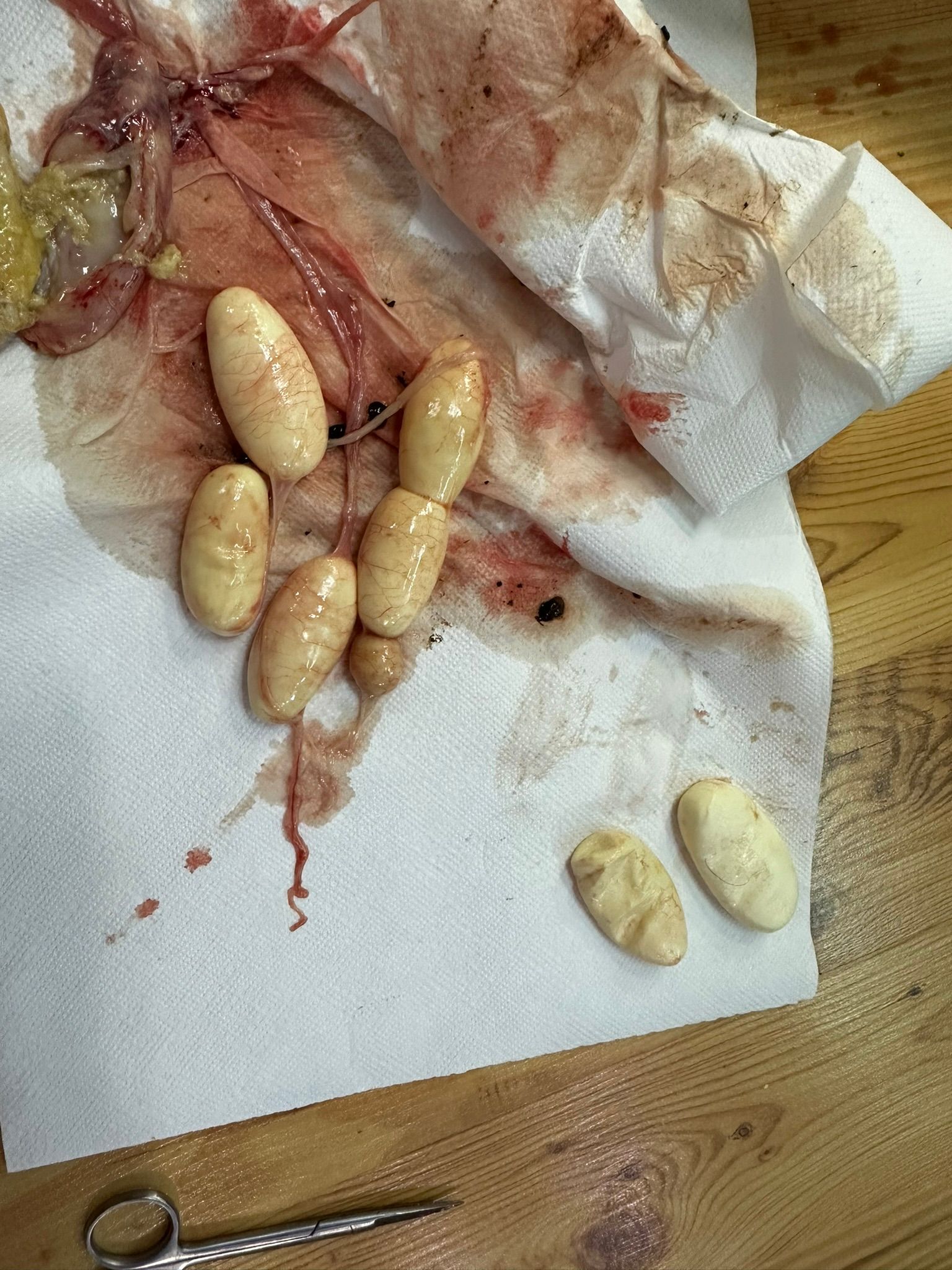
A post-mortem examination revealed
six incompletely developed eggs and a large abscess that exceeded the size of the developing eggs.
During the final days before her death, she had once again displayed the characteristic behaviour of actively searching for a suitable nesting site.
Bildtitel
Untertitel hier einfügen
Button
Bildtitel
Untertitel hier einfügen
Button
Bildtitel
Untertitel hier einfügen
Button
Bildtitel
Untertitel hier einfügen
Button
Bildtitel
Untertitel hier einfügen
Button